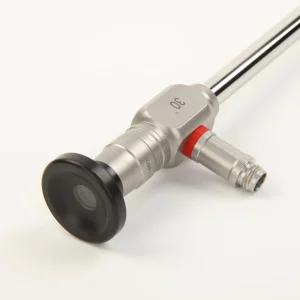
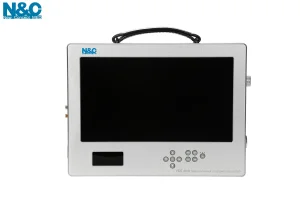
The field of urology has undergone a radical transformation, moving from invasive open surgeries to sophisticated minimally invasive procedures. Central to this shift is the evolution of Urological Endoscopic Tools. As healthcare providers demand higher precision, manufacturers are now integrating advanced optical engineering with robotics. High-definition imaging, real-time feedback, and ergonomic handling are no longer luxury features—they are clinical necessities.
The landscape of Chinese medical manufacturing has transitioned from labor-intensive assembly to Intelligent Manufacturing (China 4.0). For procurement officers worldwide, this means higher Supply Chain Resiliency and strict adherence to international quality standards like ISO 13485.
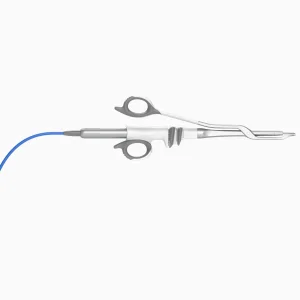
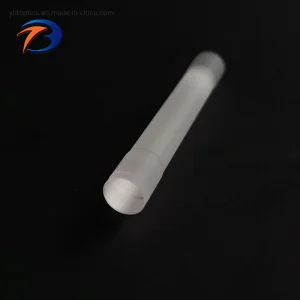
By leveraging precision CNC machining, automated optical calibration, and robotic arm assembly, Chinese manufacturers are bridging the gap between cost-efficiency and premium performance. This technological upgrade allows for the mass production of high-tolerance components—such as endoscopic rod lenses and micro-surgical forceps—that compete directly with traditional global giants in reliability.
Integration of AI algorithms for real-time tissue differentiation during cystoscopy, reducing diagnostic error rates significantly.
Developing specialized instruments that integrate with global robotic surgical platforms, enhancing stability and maneuverability.
Using bio-compatible polymers and advanced coating technologies to minimize patient trauma and increase tool longevity.
Moving towards standardized, recyclable medical-grade stainless steel and high-durability optics to support eco-friendly healthcare models.
When selecting a supplier for urological instruments, one must look beyond the price tag. E-E-A-T (Experience, Expertise, Authoritativeness, Trustworthiness) is critical in medical procurement:
Look for ISO 13485 certification, specific CE marking for medical devices, and their history of exporting to regulated markets. A transparent manufacturer should provide detailed technical documentation and material certification.
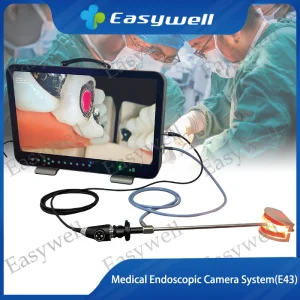
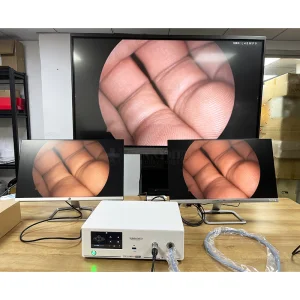
Urological procedures often involve narrow cavities and subtle tissue changes. 4K imaging provides superior color depth and resolution, allowing surgeons to detect early-stage pathologies that FHD systems might miss.
Collaborating with an OEM/ODM partner allows medical companies to scale their product lines with customized features, reduced R&D overhead, and optimized supply chain logistics, all while maintaining rigorous brand-specific quality standards.
Trusted manufacturers design instruments using materials specifically tested for repeated autoclaving or chemical sterilization cycles, ensuring structural integrity over hundreds of surgical uses.
 TC MediGroup