Explore our flagship surgical illumination systems, high-definition camera heads, optical tracking devices, and endoscopic instruments manufactured under strict international quality standards.
Dongguan TC MediGroup Co., Ltd. is a professional manufacturer specializing in surgical robot instruments and minimally invasive surgical solutions, serving advanced healthcare institutions worldwide. The company focuses on delivering high-precision, reliable, and innovative medical devices designed to support modern robotic-assisted surgeries and improve clinical outcomes.
TC MediGroup provides a comprehensive range of solutions, including robotic surgical instruments, minimally invasive surgical toolsets, endoscopic-compatible components, precision micro-surgical parts, and advanced operating system accessories. These products are engineered to enhance surgical accuracy, reduce patient trauma, and support faster recovery in complex medical procedures.
Backed by strong R&D capabilities and advanced manufacturing technology, Dongguan TC MediGroup integrates precision engineering, ergonomic design, and high-performance materials into every product. The company maintains strict quality control standards and complies with international medical regulations to ensure safety, durability, and consistent performance.
With a commitment to innovation and global healthcare advancement, TC MediGroup offers flexible OEM/ODM services tailored to diverse clinical requirements. Through continuous technological development and customer-focused solutions, the company aims to support hospitals and surgical centers worldwide in upgrading to next-generation robotic and minimally invasive surgical systems.
Understanding the shift from legacy halogen illumination to solid-state optical matrices and integrated AI smart lighting in modern operating theaters.
Traditional halogen operating lights radiated high levels of thermal infrared energy, causing tissue desiccation and surgeon discomfort. Modern OEM/ODM surgical light factories in China utilize LED optics with cold-light emission, reducing heat dissipation at the surgical field to under 2°C even at maximum 160,000 Lux output.
Advanced multi-lens optical geometries project overlapping light columns across the wound cavity. By utilizing multi-point LED matrices, surgical lights maintain full illumination intensity even when the surgical team partially obstructs individual light beams during delicate deep-cavity procedures.
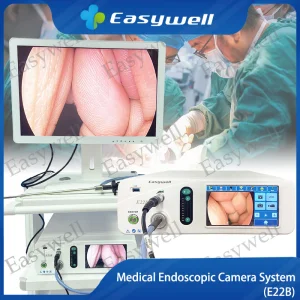
Contemporary surgical light system export requirements demand integrated digital camera arms and near-infrared (NIR) fluorescence imaging capability. Modern systems sync overhead illumination with 4K UHD micro-cameras to allow live medical streaming, surgical record archiving, and tele-consultation.
When selecting a high-tier China surgical light systems exporter, clinical procurement officers must evaluate key photometrical and ergonomic parameters to ensure compliance with IEC 60601-2-41 standards:
Accurate anatomical distinction between arterial blood, venous blood, nerve bundles, and adipose tissue requires high spectral accuracy. Premium light systems achieve an Ra > 97 and a red spectrum index R9 > 95, preventing tissue distortion under intense light.
Adjustable Kelvin temperature profiles reduce surgeon eye fatigue during prolonged surgeries. Lower temperatures (3,500K-4,000K) suit delicate micro-vascular work, while crisp white light (4,500K-5,000K) enhances contrast during deep orthopedic cavity exposures.
Surgical light light-heads must not disrupt the cleanroom ultra-clean laminar flow air circulation. Flow-optimized, open-ring geometries minimize aerodynamic drag and turbulence coefficients under 0.35, preserving sterile field purity.
Deep incision procedures require high illumination depth without constant manual lamp positioning. High-performance optical lenses provide an effective illumination depth exceeding 1,200 mm with motorized field spot diameter adjustment from 160mm to 320mm.
Tailored surgical illumination setups optimized for specific medical specialties and advanced surgical suites.
Requires pinpoint spot focusing with maximum shadow diluted optics. The system synchronizes high-magnification optical tracking with zero thermal output to protect delicate cerebral tissues during multi-hour procedures.
Demands maximum illumination intensity (160,000 Lux) combined with high red tissue color fidelity (R9 > 98). Dual-arm configurations allow simultaneous wide-cavity and deep-cavity light targeting for primary and assistant surgical teams.
Integrates seamlessly with multi-axis surgical robots (such as 6-axis laparoscopic devices and laser guidance modules). Low-profile ceiling mounts allow collision-free articulation alongside robotic arms and imaging equipment.
Anticipating next-decade engineering breakthroughs in medical optical technology, AI sensor tracking, and autonomous environment adjustment.
Direct replacement of monochromatic white LEDs with multi-spectrum red, green, and blue matrix arrays allowing digital Kelvin shifting and high CRI stability across all light intensities.
Touchless sterile adjustment using 3D spatial infrared sensors, allowing surgeons to dim, focus, or shift spot sizes without breaking sterile field hand placement.
Smart ceiling cameras track surgeon head positions, automatically steering light beam angles to dynamically eliminate head shadows and maintain focus on the deep tissue cavity.
Integration of augmented reality micro-projectors into the surgical light head to overlay diagnostic MRI/CT telemetry directly onto the physical patient anatomical field in real time.
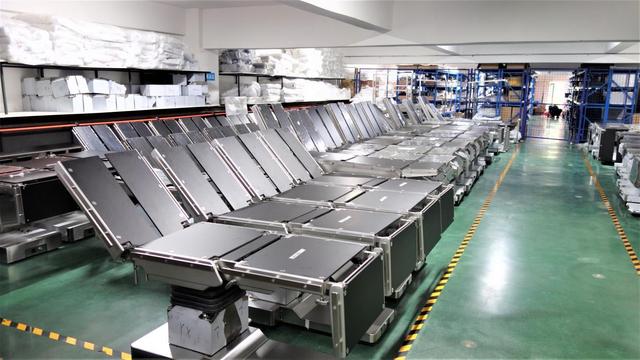
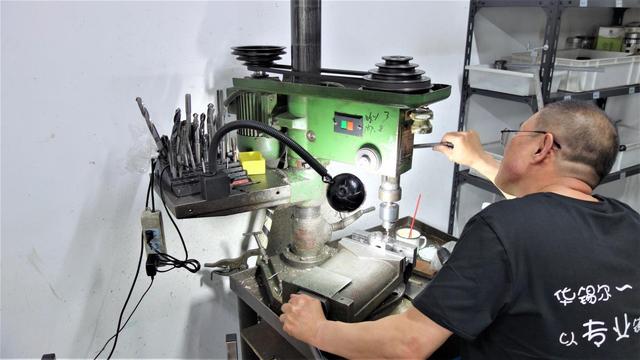
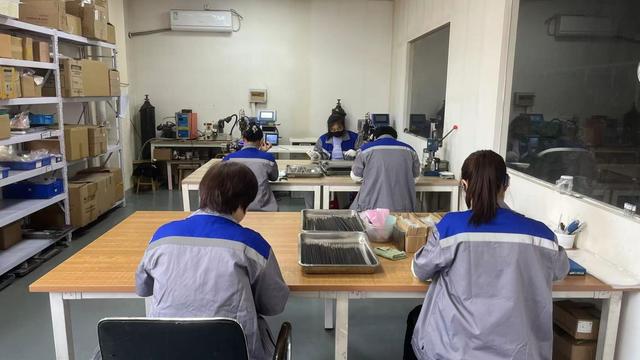
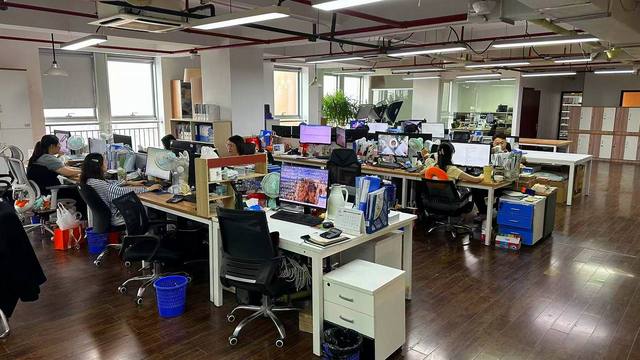
From raw alloy die-casting to certified optical calibration, discover the competitive value proposition of China's advanced medical manufacturing ecosystem.
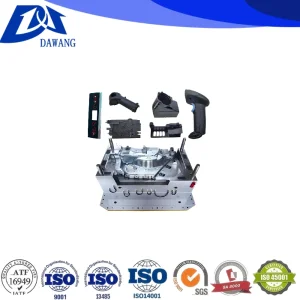
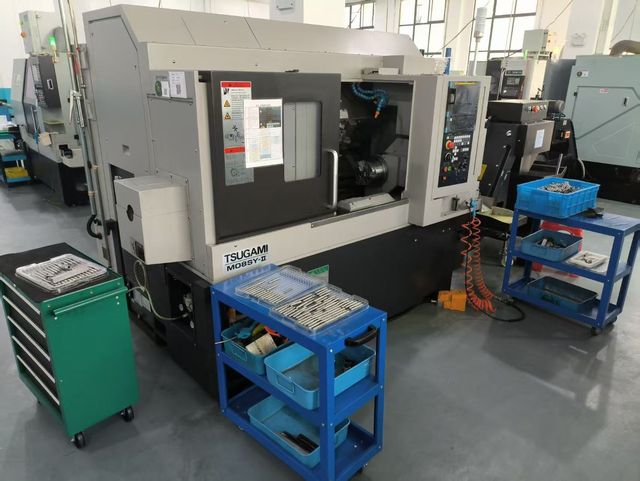
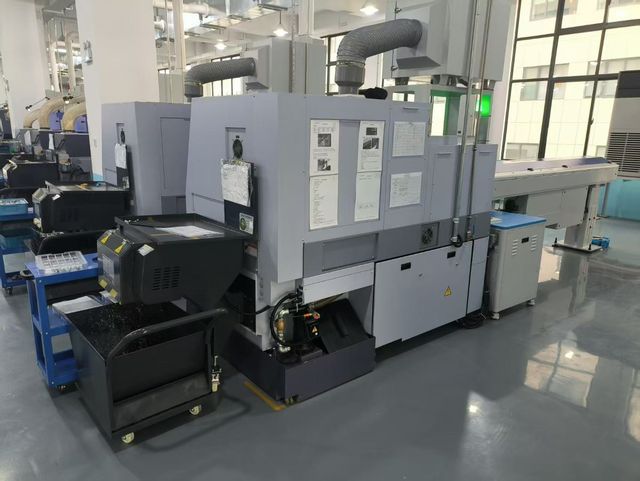
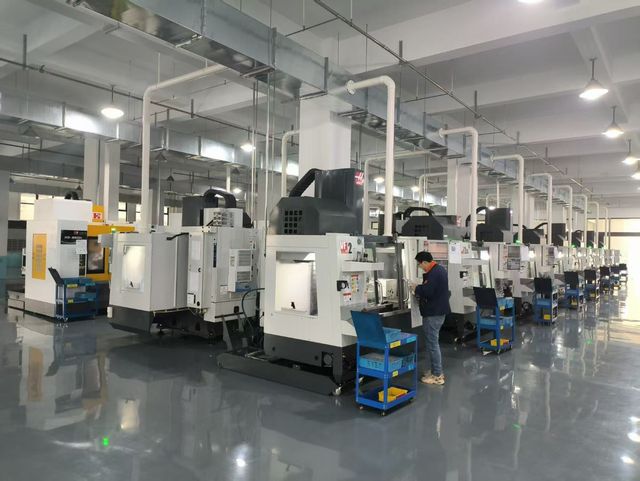
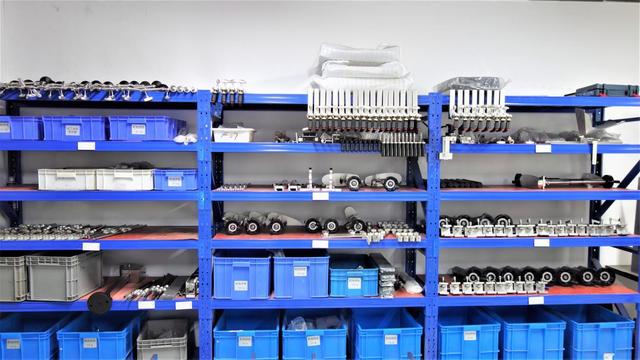
Top manufacturing hubs like Dongguan TC MediGroup possess state-of-the-art mold design capabilities for complex robotic surgical components, camera housings, articulation joints, and lens covers. Vertical supply control ensures structural tolerances under ±0.005mm and rapid prototype delivery.
Leading exporters comply fully with ISO 13485 quality systems, CE MDR medical directives, and FDA registration requirements. Medical equipment undergoes rigorous thermal testing, electromagnetic compatibility (EMC) verification, and drop-impact validation prior to international shipping.
Expert technical insights answering key procurement, installation, calibration, and compliance queries for global hospital buyers and distributors.
Modern solid-state LED surgical light heads feature an operational lifespan exceeding 50,000 to 60,000 hours, whereas legacy halogen surgical bulbs typically require replacement after 1,000 to 1,500 hours. This represents a 40x increase in longevity, dramatically reducing operating room downtime and maintenance overheads.
The general Color Rendering Index (Ra) averages R1 through R8, which covers pastel colors but excludes deep red. R9 specifically measures how accurately a light source renders saturated red tissues. High R9 values (>95) enable surgeons to clearly distinguish minute variations between oxygenated vascular tissue, ligaments, and pathological lesions.
Standard operating rooms require ceiling heights between 2.8m and 3.4m. For facilities with lower ceilings, manufacturers offer low-clearance ceiling anchors and custom central spring arm configurations to maintain full 360-degree articulation without compromising laminar flow airflow hoods.
Yes. Leading manufacturers like Dongguan TC MediGroup offer extensive OEM/ODM customization including custom light head mold design, specific mounting interface fabrication, integration of 4K/FHD camera systems, touch-screen wall panels, and custom branding tailored for global distributor lines.
Central positioning handles on surgical lights must be either fully sterilizable via high-pressure steam autoclaving (134°C cycles) made from high-grade PSU/PEEK polymers or compatible with disposable sterile sleeve covers to adhere to strict OR infection control guidelines.
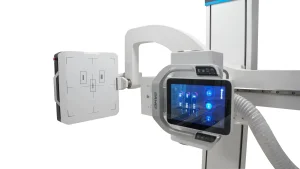
Complementary surgical technologies, robotic tooling molds, digital radiography units, and industrial automated manufacturing systems.
 TC MediGroup