TC MediGroup
1 / 5
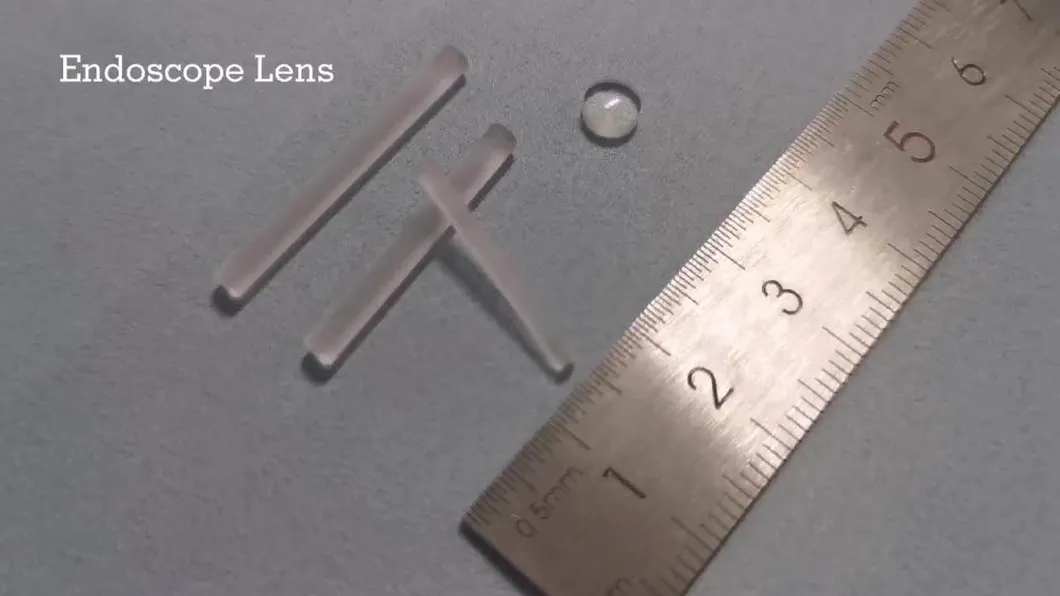
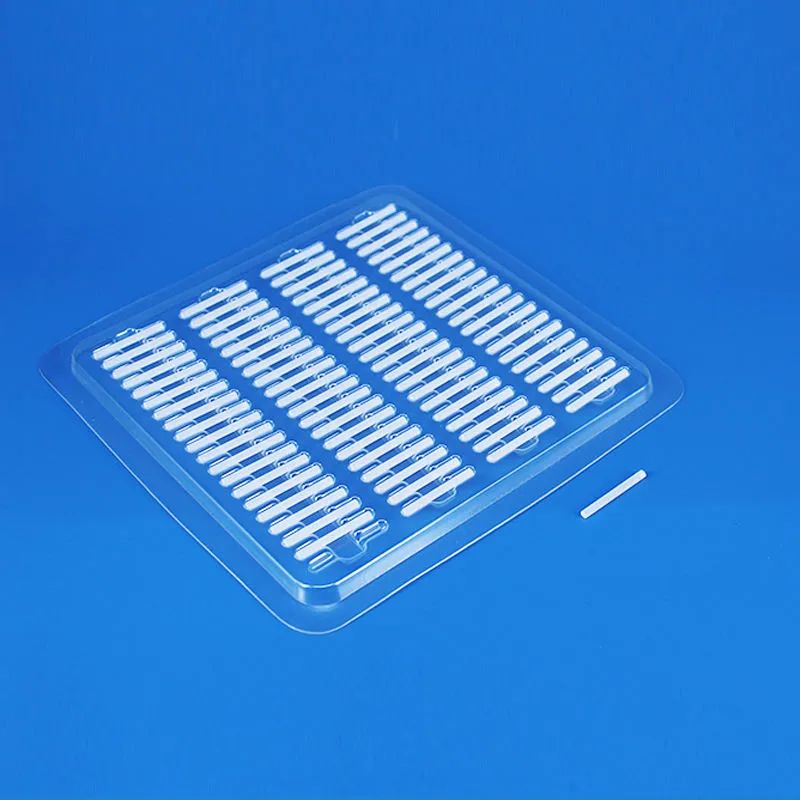
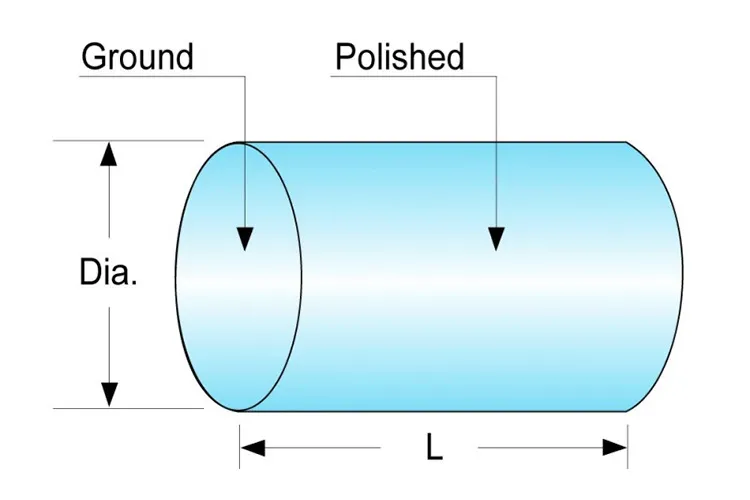
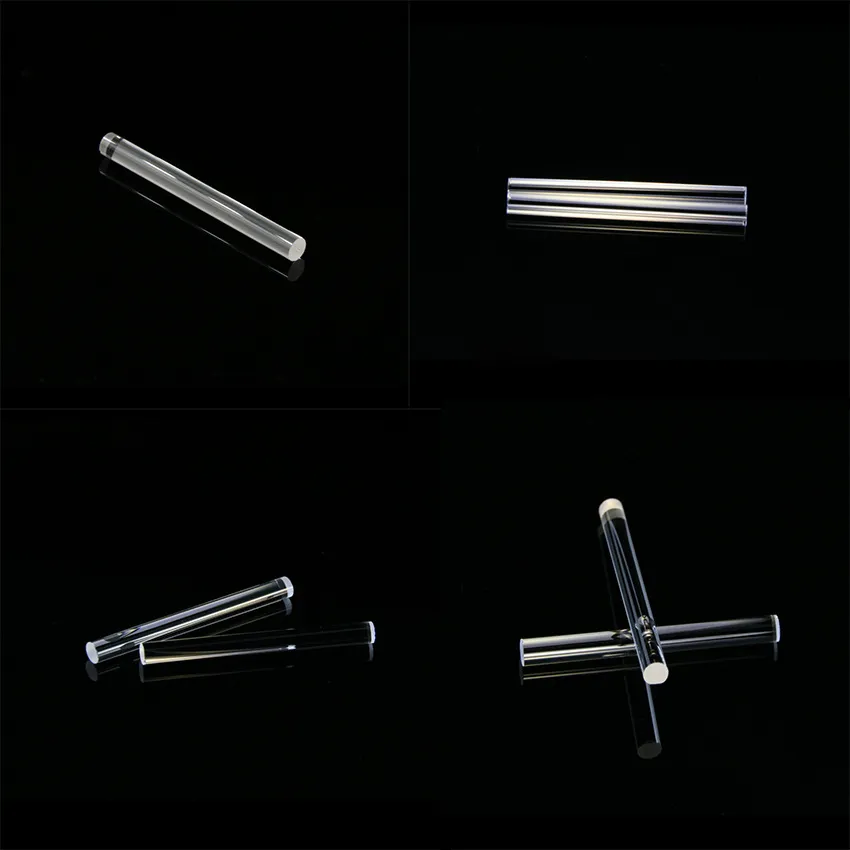
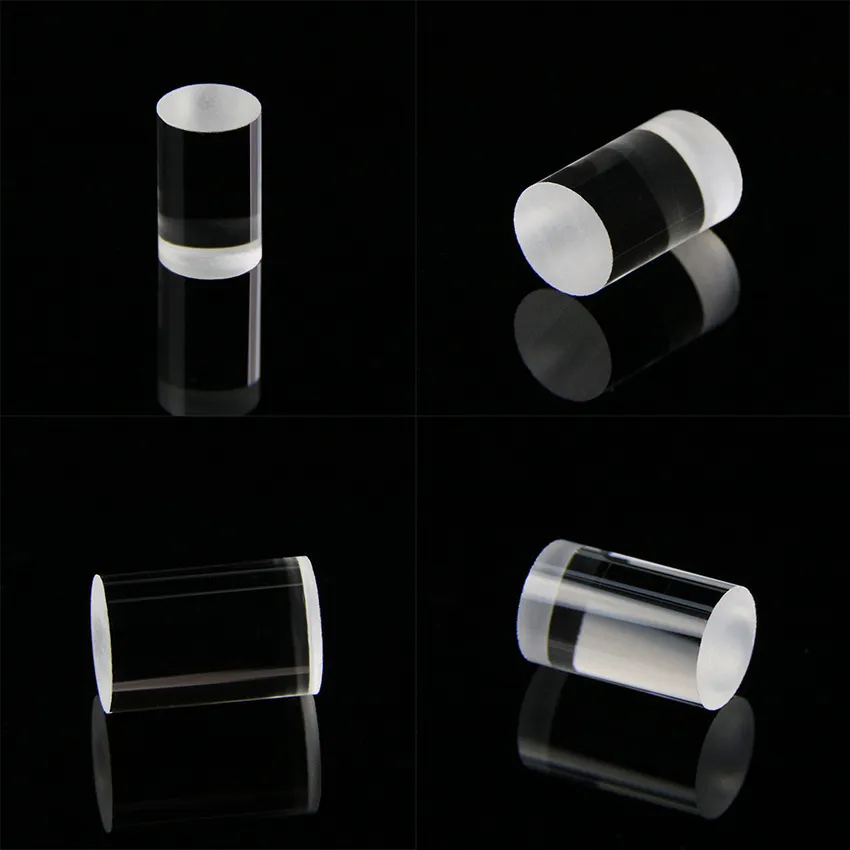
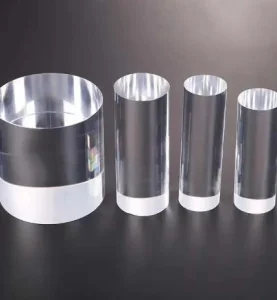
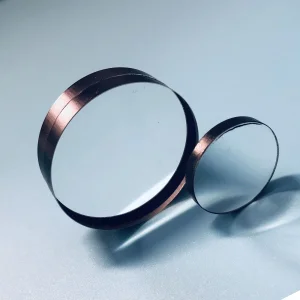
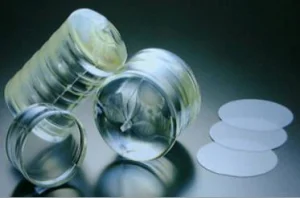
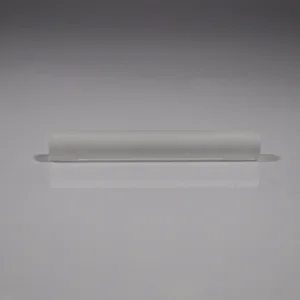
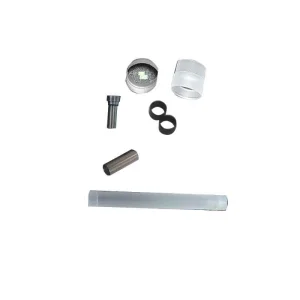
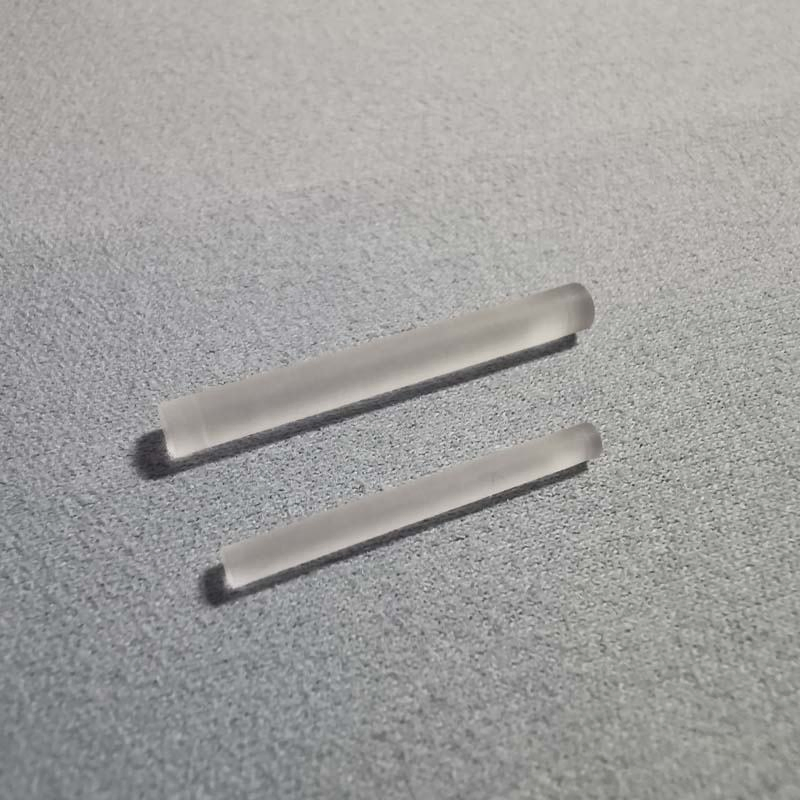
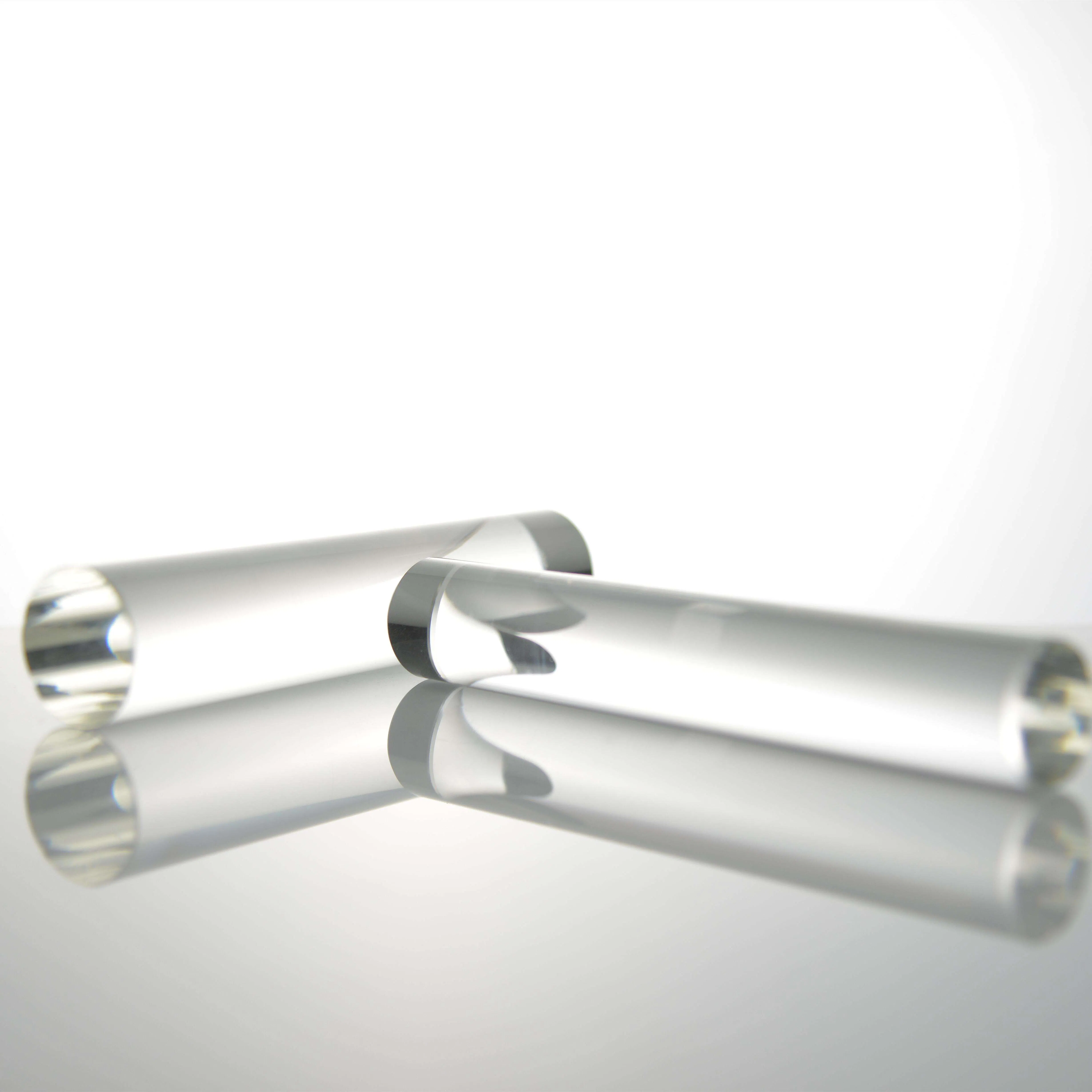
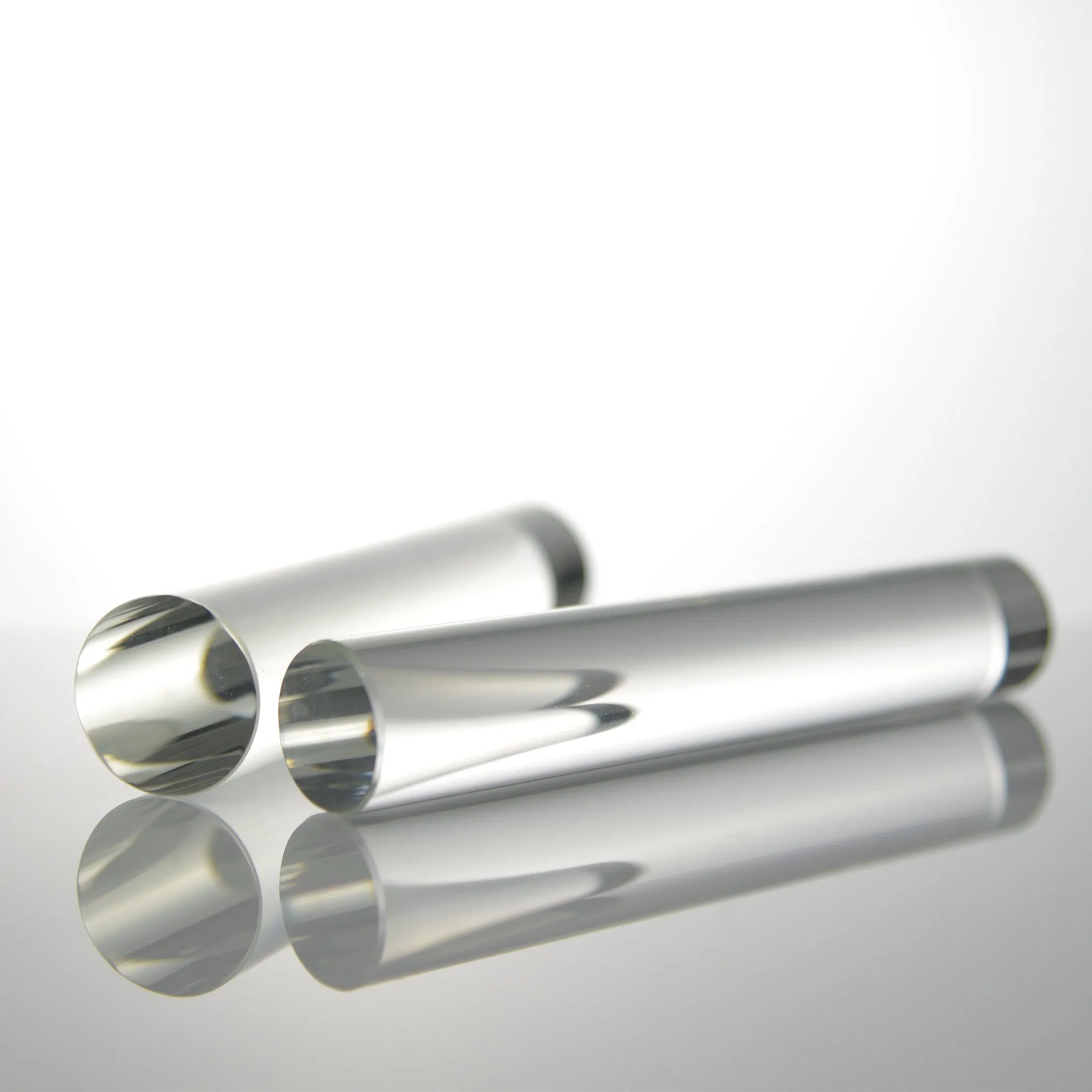
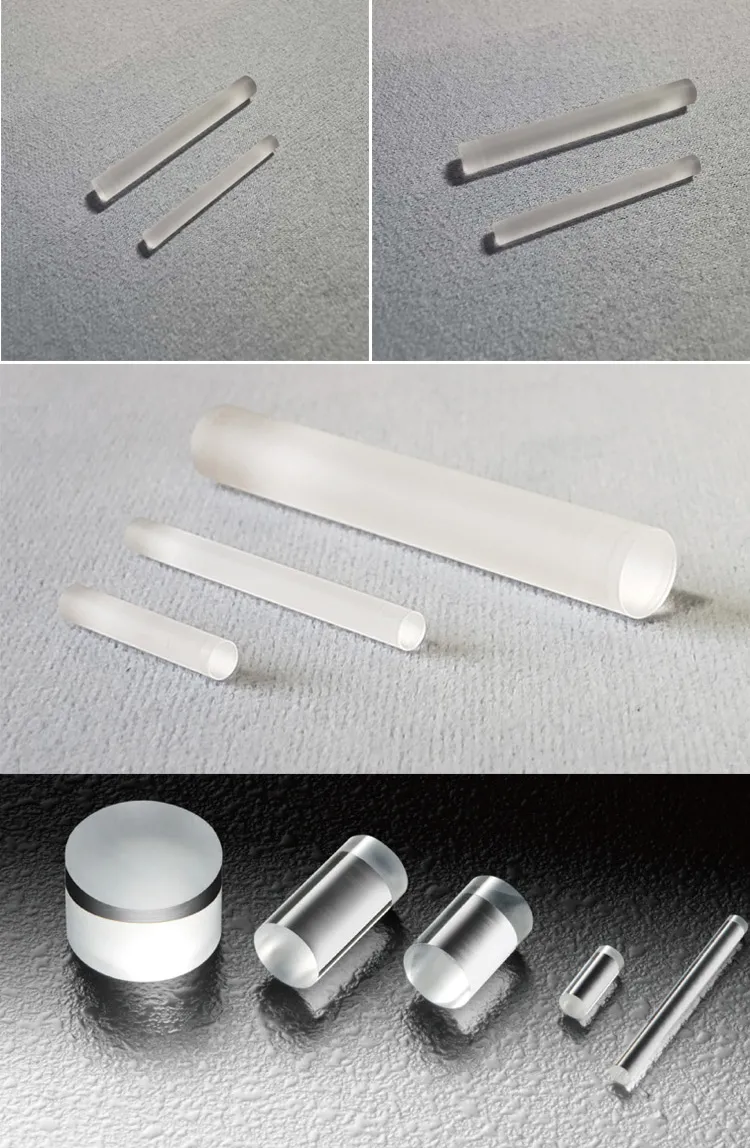
Rod Lenses are highly polished small diameter rods made of optically transparent homogeneous materials. A carefully controlled manufacturing process produces rods (or fibers) with precise diameters and unsurpassed surface quality.
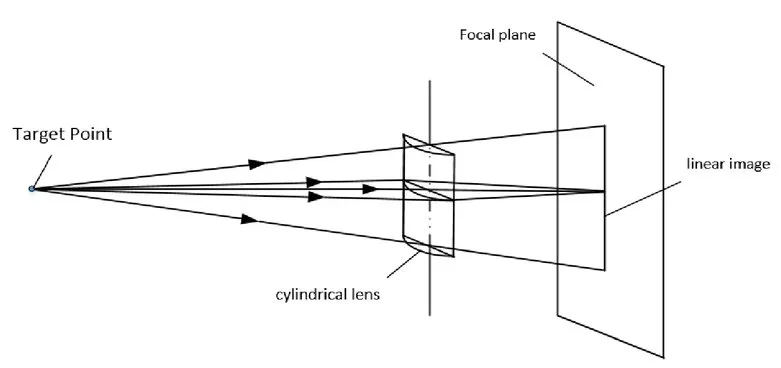
Optical performance is similar to a cylinder lens. Collimated light passing through the diameter of the rod will be focused into a line. Rod lens systems provide images with higher brightness, contrast, and color reproduction than conventional lenses.
| Parameters | Specifications |
|---|---|
| Materials | BK7 or K9L, Fused Silica, Sapphire |
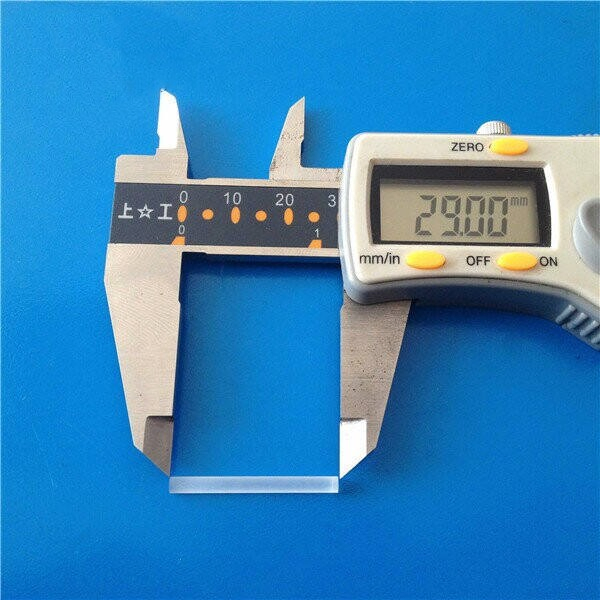
| Diameter | 1-35mm |
| Diameter Tolerance | 0.02-0.1mm |
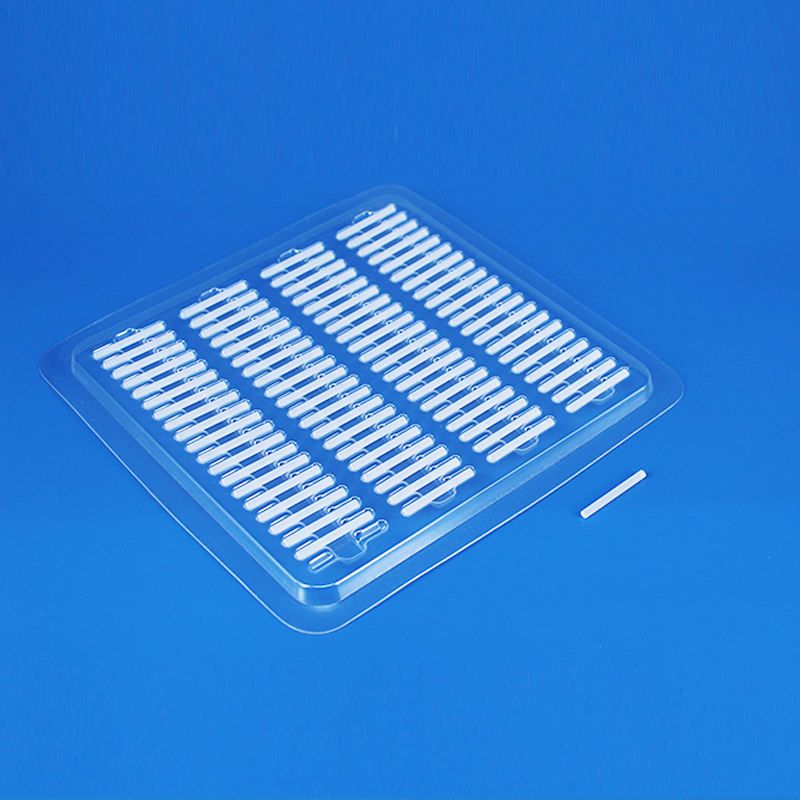
| Length | 0.5-300mm |
| Length Tolerance | ±0.02mm |
| Surface Accuracy | N=1-3 |
| Surface Quality | 80/50, 60/40, 40/20 |
| Coating | Upon request |

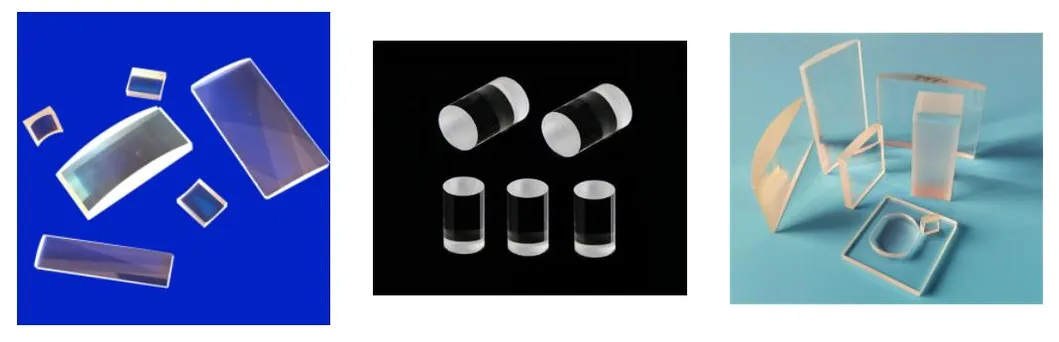
Cylindrical Lenses are used to correct astigmatism in optical systems and, in rangefinders, to produce astigmatism by stretching a point of light into a line. Common uses include barcode scanners and objective systems.
Mainly used in ophthalmology to correct astigmatic vision resulting from corneal deformation by overlapping different focal points.
Captures the shape of 3D objects for digital copies. Measures the deformation of a straight line incident on a non-flat surface. Ideal for manufacturing, prototyping, and architecture.
Used with acousto-optic deflectors to change lateral positions without movable parts. The lens corrects the image and focuses the light spot onto the correct plane.