TC MediGroup
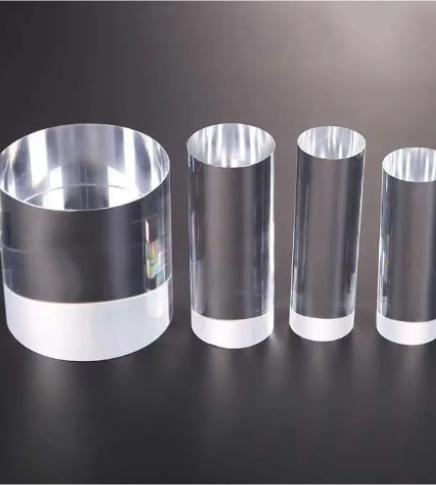
1 / 5
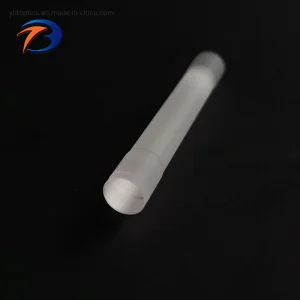
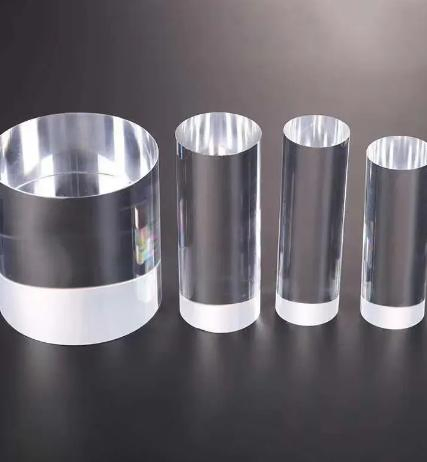
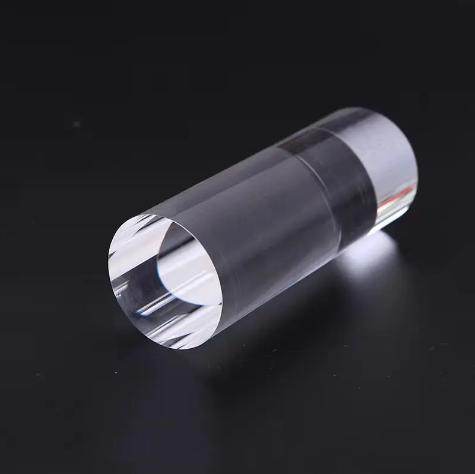
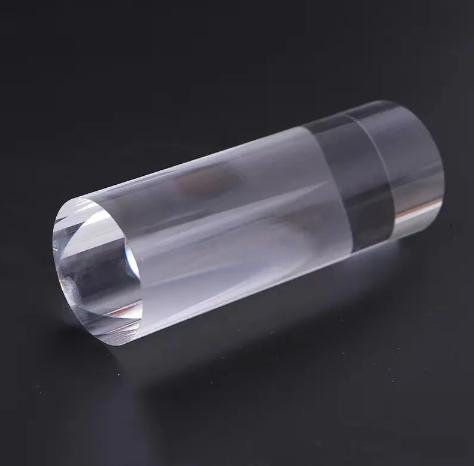
| Model NO. | lens | Usage | Lighting, Medical, Optical |
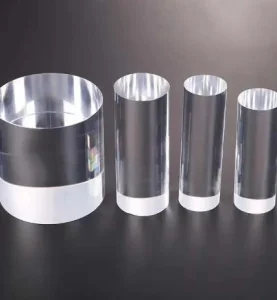
| Type | Cylinder | Transmittance | >95% |
| Shape | Single-lens | Material | Optical Glass |
| Lenses Color | Clear | Certification | RoHS, ISO9001, CE |
| Customized | Customized | Coating | UV |
| Surface Quality | 60/40 | Flatness | 1/4lambda |
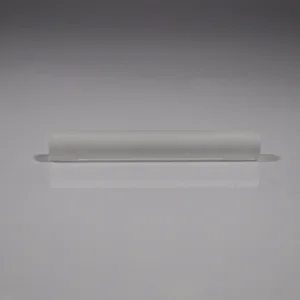
| Model Number | Rod Lens | Structure | Plano-Convex |
| Transport Package | Air Cushion Wrapped Carton Packaging. | Specification | Customized |
| HS Code | 9001909090 | Production Capacity | 200000PCS/ |
| Quantity (pieces) | 1 - 50 | 51 - 100 | >100 |
|---|---|---|---|
| Lead time (days) | 15 | 25 | To be negotiated |
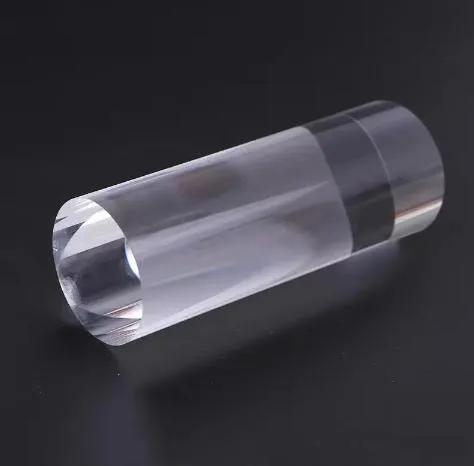
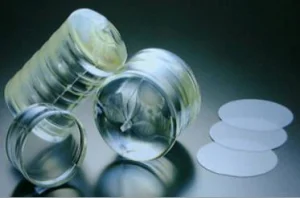
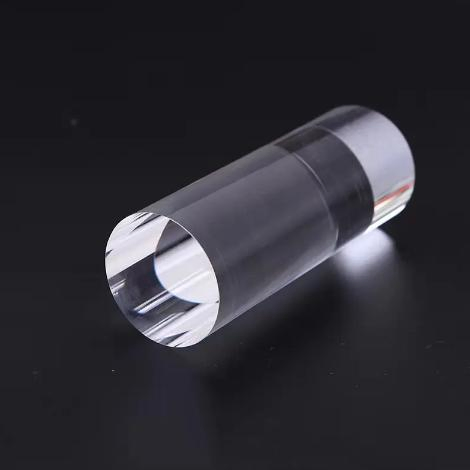
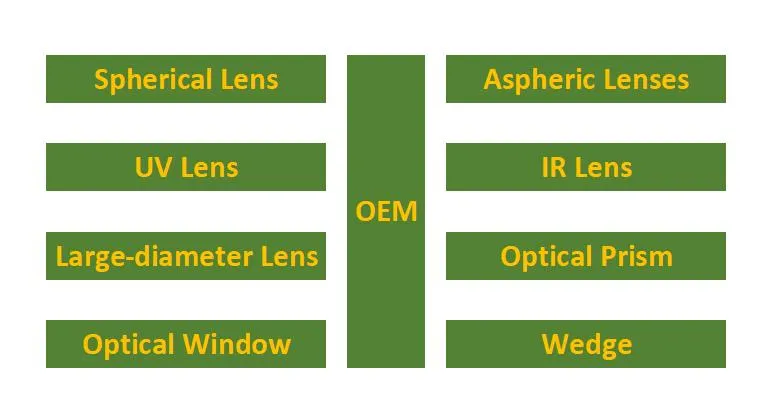
We can provide virtually any size, shape and quality required by the customer. The range covers more than 60 types including the following types in the visible wavelength range from 200 nm upwards:
Dimensions: from 1 mm - 480 mm
Minimum thickness: 0.1 mm
Tolerances: Up to 0.001 mm
Surface quality: Up to P 4 in compl. With DIN IS0 100110
Upon request, we can produce any size and thickness required within the framework of the maximum size permitted by the type of glass required.
Optical glass filters are significant components in industrial measurement, control and regulation technology through analytical measuring methods in production, research and development all the way to environment protection and medicine with which to permit or block the transmission of specific spectral ranges.
A sphere is defined by a single radius of curvature. Aspheric Lenses have at least one aspherical surface. Optical engineers generally think of aspheric surfaces as aspheric, rotationally symmetric surfaces. The radius of curvature of the aspheric surface varies gradually from the center of the lens to the edge.
The surface profiles of aspheric lenses are not a portion of a sphere or cylinder. Their curvature radius varies with the central axis. Aspheric lenses have unique advantages over spherical lenses. For example, they can improve optical quality, reduce optical components and design costs. They are widely used in digital cameras, CD players and high-end microscopic instruments.
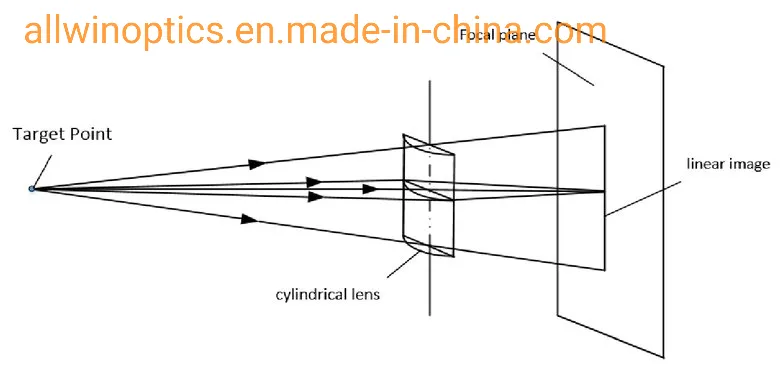
Cylindrical lens is used to correct astigmatism in the optical system, and, in rangefinders, to produce astigmatism, stretching a point of light into a line. It is usually used in barcode scanners, objective systems and other optical systems.
1. Correcting Astigmatism: One of the main applications is in ophthalmology to correct vision resulting from corneal deformation by changing the focal point of axes.
2. Laser Line Scanning: Captures the shape of 3D objects into digital copies. Useful in manufacturing, prototyping, landscaping, and architecture by measuring the deformation of a straight line.
3. Laser Scanning Microscopy: Used with acousto-optic deflectors to focus the light spot onto the correct plane without movable parts.
A: Yes, we accept sample orders and are willing to send free samples to test and check quality. If the item is not in stock, you can place a sample order.
A: For customized orders or large quantities, it typically takes around 10-30 working days for production followed by shipping.
A: Sure, please provide your design specifications on the platform to confirm detailed information.
A: Yes, we have professional experts with over 25 years of experience in optical design. Send us your project details for a suitable solution.
A: Small quantities or samples can be sent via express (Fedex, UPS, DHL, EMS). Large quantities can be shipped by sea, train, or air based on your request.