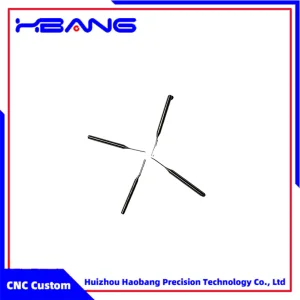
Explore our top-tier surgical components, optical assemblies, and sterile-grade instrumentation engineered to comply with strict global healthcare standards.
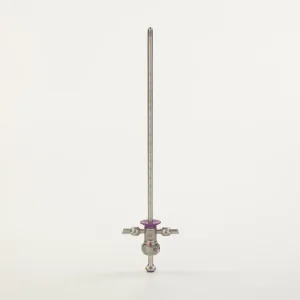
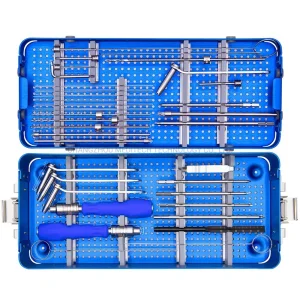
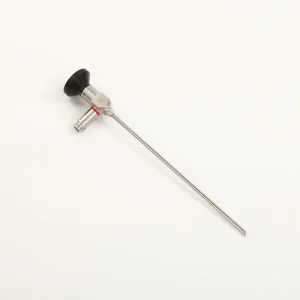
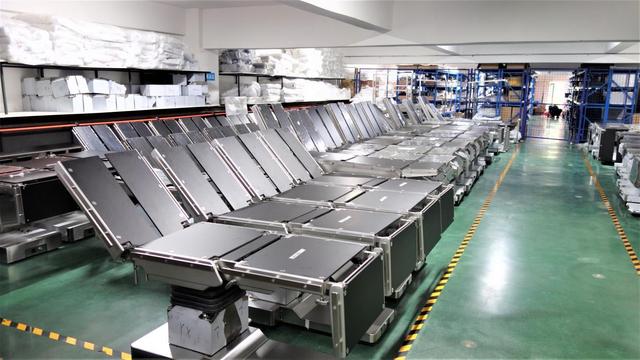
Dongguan TC MediGroup Co., Ltd. is a professional manufacturer specializing in surgical robot instruments and minimally invasive surgical solutions, serving advanced healthcare institutions worldwide. The company focuses on delivering high-precision, reliable, and innovative medical devices designed to support modern robotic-assisted surgeries and improve clinical outcomes.
TC MediGroup provides a comprehensive range of solutions, including robotic surgical instruments, minimally invasive surgical toolsets, endoscopic-compatible components, precision micro-surgical parts, and advanced operating system accessories. These products are engineered to enhance surgical accuracy, reduce patient trauma, and support faster recovery in complex medical procedures.
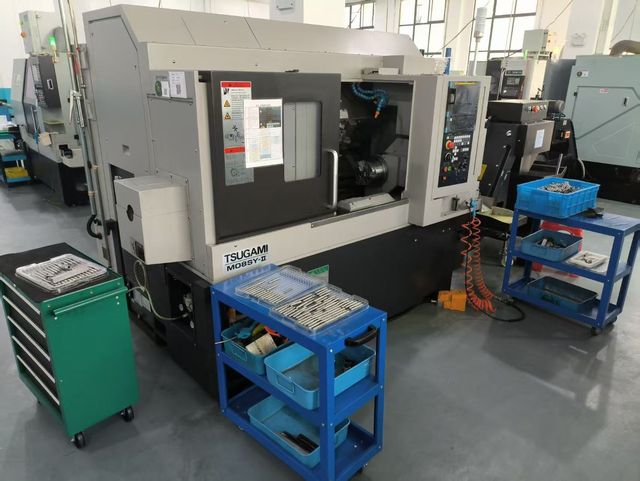
Backed by strong R&D capabilities and advanced manufacturing technology, Dongguan TC MediGroup integrates precision engineering, ergonomic design, and high-performance materials into every product. The company maintains strict quality control standards and complies with international medical regulations to ensure safety, durability, and consistent performance.
With a commitment to innovation and global healthcare advancement, TC MediGroup offers flexible OEM/ODM services tailored to diverse clinical requirements. Through continuous technological development and customer-focused solutions, the company aims to support hospitals and surgical centers worldwide in upgrading to next-generation robotic and minimally invasive surgical systems.
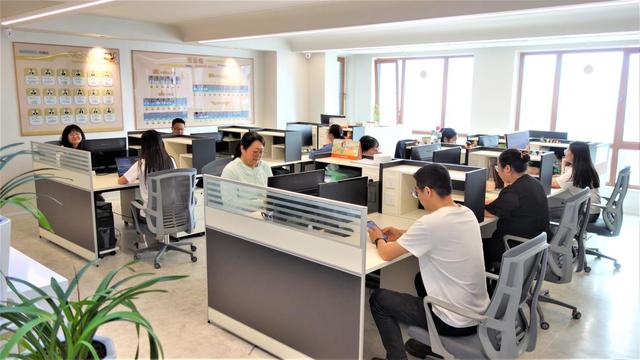
Deep dive into the material selection, geometric configuration, and validation criteria required for surgical instruments to survive repeated sterilization cycles without losing performance.
In modern surgical environments, sterile processing departments (SPDs) are the backbone of patient safety. The structural integrity and sterile performance of reusable surgical instruments are dictated directly by their manufacturing phase. At Dongguan TC MediGroup Co., Ltd., our design philosophy incorporates the dynamics of steam autoclaving, ethylene oxide (EtO) exposure, and hydrogen peroxide gas plasma sterilization from day one.
"The survival rate of a micro-surgical instrument is not simply determined by its ultimate tensile strength, but by its surface passivity and joint geometry which together protect it against crevice corrosion during high-pressure thermal sterilization cycles."
Most surgical instruments rely on martensitic or austenitic stainless steels (such as 316L, 420, or 17-4 PH precipitation-hardening steel). However, without high-level metallurgical engineering, repeated cycles at 134°C under high-pressure steam trigger rapid oxidation. Our factory deploys advanced chemical passivation treatments that selectively strip free iron from the component surfaces, building a persistent chromium oxide barrier. This barrier prevents pitting corrosion and maintains mechanical alignment even when exposed to harsh alkaline enzymatic detergents used in automated washer-disinfectors.
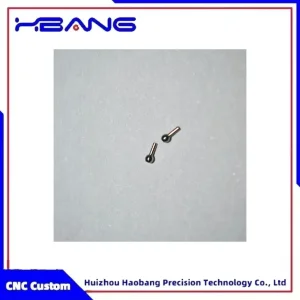
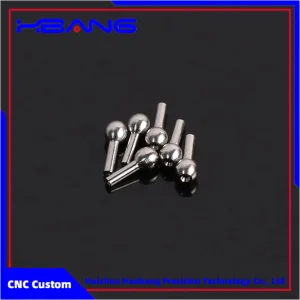
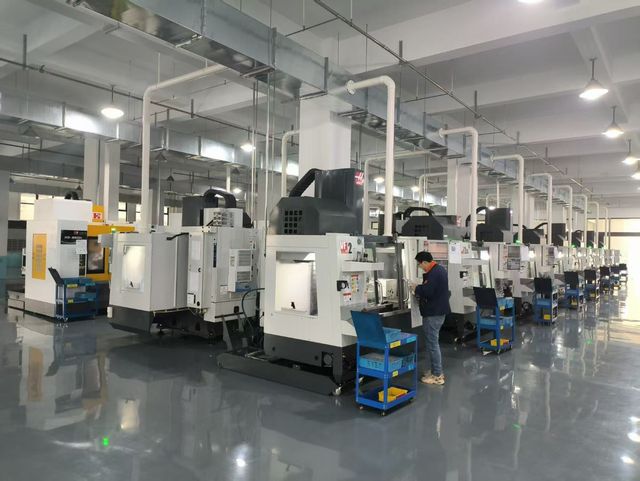
Mechanical assemblies such as box locks, clevis joints, and lumens present significant challenges to sterilization. If a joint is engineered too tightly, steam cannot reach the innermost mating surfaces, leaving potential bioburden behind. Conversely, loose joints compromise surgical tactile response and instrument alignment. Our multi-axis CNC machining processes achieve micro-tolerances that permit ideal clearance margins for steam/gas ingress while maintaining the tight axial alignment required for robotic surgical scissors and graspers.
Analyzing how industrial clusters, integrated raw material markets, and high-efficiency precision tooling yield unmatched competitive advantages for global OEMs.
Located in Dongguan, TC MediGroup benefits from a highly dense industrial ecosystem. We secure raw medical metals, heat treatment specialists, advanced plating operations, and surface technicians within a 50-kilometer radius, drastically cutting turnaround times.
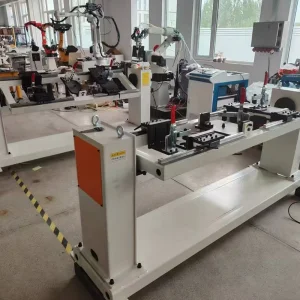
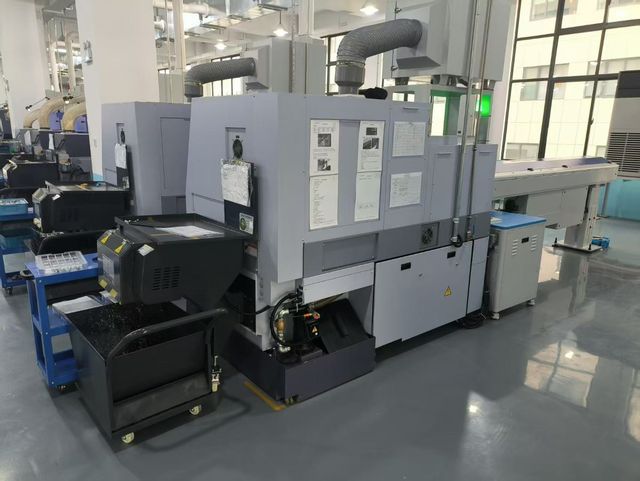
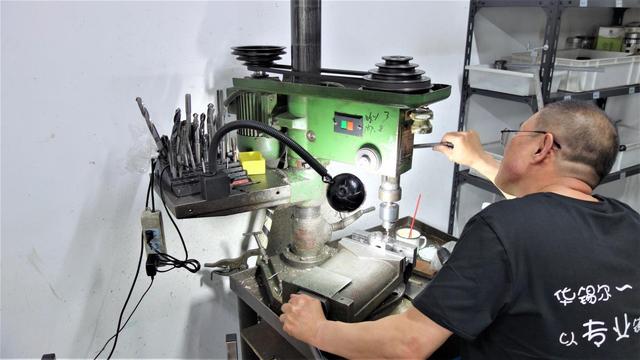
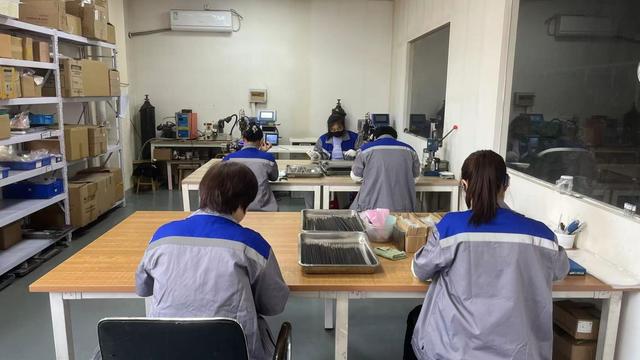
From multi-axis CNC milling, Swiss lathes, and EDM cutting to ultrasonic cleaning, laser engraving, and cleanroom sterile packaging, every critical stage is executed in-house. This minimizes supply chain gaps and optimizes cost structures.
Chinese manufacturers possess unmatched agility in high-mix, low-volume medical projects. Our R&D team can transform custom CAD designs into functional, sterilizable prototypes in fraction of the time required by traditional Western plants.
Operating in the medical device industry demands strict adherence to global regulatory frameworks. Under our ISO 13485 quality management system, TC MediGroup ensures every surgical instrument, optical rod lens, and laparoscopic assembly undergoes robust design verification.
Our sterilization validation protocols strictly follow ISO 17665-1 (for moist heat sterilization) and ISO 11135 (for ethylene oxide sterilization). By integrating biological indicator tests, thermal distribution mapping, and chemical residue evaluations, we guarantee that our products can be processed through repeated sterilization cycles safely and consistently without leaving toxic residues or experiencing material degradation.
For markets in Europe and North America, we align our product dossiers with EU MDR (2017/745) guidelines and FDA 510(k) submissions, focusing heavily on bio-compatibility testing according to ISO 10993 standards.
How global procurement officers can identify, evaluate, and mitigate risks when sourcing surgical instrumentation and custom medical components from China.
Procuring surgical instrumentation is far more complex than simple commercial buying. It requires balancing clinical performance, mechanical reliability, and regulatory compliance. Global healthcare procurement leads frequently face three critical bottlenecks when sourcing from overseas manufacturers: quality consistency, documentation deficits, and communication lag.
"The true cost of a surgical component is not its FOB price; it is the total cost of ownership including regulatory hurdles, shipment delays, and failures during clinical validation."
To overcome these challenges, global OEMs must select suppliers that offer detailed material traceability reports, raw material mill certificates, and co-designed product validation plans. At TC MediGroup, we offer transparent access to our manufacturing workflows, detailing the exact batch run, CNC tooling calibration data, and optical coating characteristics for every batch delivered. Our bilingual engineering teams bridge technical definitions, minimizing design errors and ensuring that CAD models are accurately translated into finished components.
The evolution of surgical technology is shifting how sterilization centers manage surgical assets, creating new challenges and opportunities for manufacturers.
Robotic surgical platforms require highly intricate mechanical joints and micro-cable assemblies. Traditional autoclaving methods can damage these complex systems, which is driving the development of specialized low-temperature gas plasma sterilization techniques.
Modern hospitals are moving toward real-time instrument tracking. By embedding RFID chips and direct-part-marked (DPM) data matrix codes, hospitals can monitor the exact usage and sterilization history of each instrument, improving safety and compliance.
Reducing water usage, energy footprint, and toxic waste is becoming a priority for healthcare systems. Manufacturers are responding by developing eco-friendly materials and designing components that require less intensive processing cycles.
How our sterilization-ready surgical instruments and optical devices are deployed across diverse clinical environments.
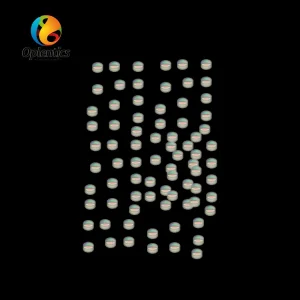
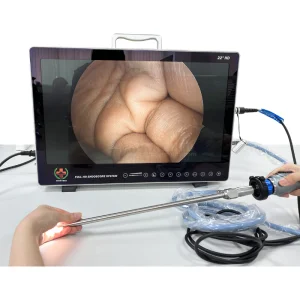
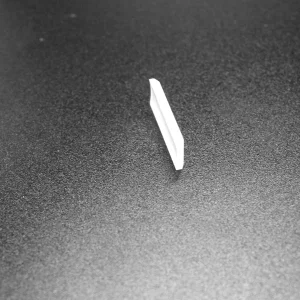
In MIS, visual clarity is critical. Any condensation or biological residue on the endoscope lens can disrupt a surgeon's view. Our BK7 and double-glass optical rod lenses are sealed within high-grade stainless housings using specialized autoclave-resistant adhesives. This prevents moisture ingress during high-pressure thermal cycles, keeping the optical path clear during laparoscopy and cystoscopy procedures.
Multi-axis robotic instruments feature intricate wrist joints that perform precise incisions. These parts require micro-clearances that allow steam sterilant penetration while preventing tissue buildup. TC MediGroup’s ultra-precise machining ensures these joints function smoothly and remain fully sterilizable throughout their operational lifecycle.
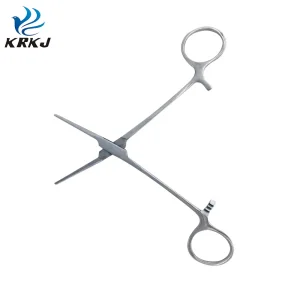
ASCs require quick turnaround times for instrument sterilization. Our orthopedic screw sets, single-joint scissors, and needle holders are designed to facilitate rapid thermal transfer and fast drying, helping facilities optimize processing times without compromising safety.
Addressing the core mechanical, metallurgical, and regulatory questions from engineering and procurement professionals.
We primarily utilize medical-grade martensitic stainless steels (such as 420A, 420B, and 420C) for cutting instruments to ensure superior edge retention. For high-stress structural parts, we use 17-4 PH precipitation-hardening stainless steel, and for non-cutting components, we use corrosion-resistant 316L. Every batch of material is verified with mill certificates and chemical composition testing to guarantee compliance with ISO 7153-1 standards.
We conduct sterilization validation trials matching actual hospital cycles. For steam sterilization, we follow ISO 17665-1 validation guidelines, utilizing biological indicators (e.g., Geobacillus stearothermophilus) and multi-channel temperature loggers to confirm a Sterility Assurance Level (SAL) of 10^-6. We also perform post-sterilization evaluation to verify functional performance, color stability, and corrosion resistance.
Yes, our high-quality BK7 and optical glass doublet lenses are engineered specifically for endoscope systems. We use proprietary high-temperature adhesives and mechanical assembly techniques that manage thermal expansion mismatches between the glass and metal housings. This ensures structural integrity and optical clarity over hundreds of autoclave cycles.
We implement a multi-step passivation process using nitric or citric acid formulations, in compliance with ASTM A967 standards. This treatment removes free iron from the surface and forms a stable chromium-rich passive layer. We also conduct copper sulfate and boil tests to verify that the protective layer is complete before packaging.
We utilize high-speed multi-axis CNC machines and Swiss-type turning centers, operating within a temperature-controlled environment. Critical dimensions are verified using non-contact optical coordinate measuring machines (CMM) and digital profile projectors, allowing us to maintain tolerances within a <2μm range.
Absolutely. We use materials that comply with ISO 10993 guidelines, including cytotoxicity, sensitization, and intracutaneous reactivity testing. This ensures all patient-contacting components are safe for clinical use.
For standard custom components, we can deliver functional prototypes within 15 to 25 business days. This timeline includes design review, programming, CNC machining, surface finishing, and initial quality inspection.
Yes, we offer flexible production services that cater to small-batch runs for clinical validation, pilot testing, and product launches. Our manufacturing facility is structured to scale smoothly from prototype quantities to high-volume commercial production.
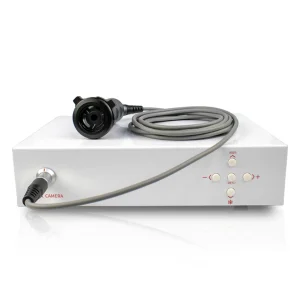
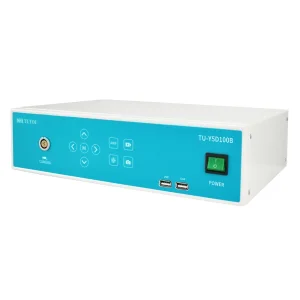
High-definition imaging processors, optical glass lenses, and specialized surgical instruments engineered for clinical reliability.
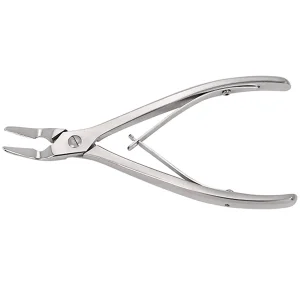
 TC MediGroup