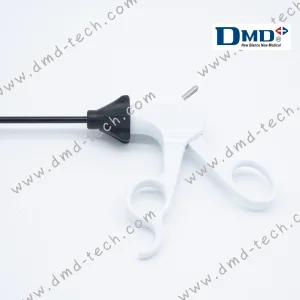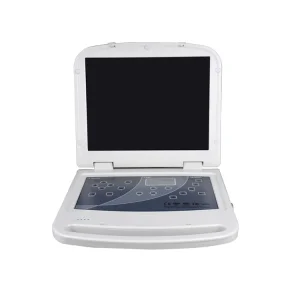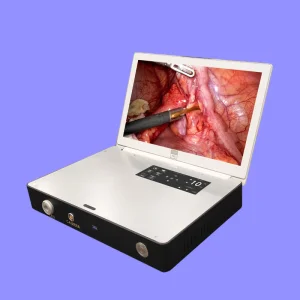

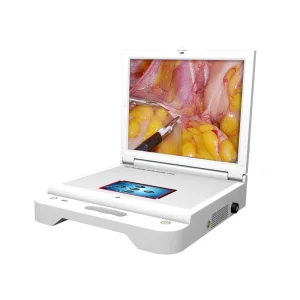
The global healthcare architecture is experiencing a monumental paradigm shift from siloed operating theater equipment toward Surgical Device Integration. Historically, clinics and operating rooms managed separate devices—such as monitors, endoscopes, insuflators, and optical trackers—which complicated layouts and disrupted surgical workflows. Modern medical standards require centralized platforms where ultra-high-definition imaging data, mechanical control, robotic arms, and patient informatics are unified. As a leading manufacturer based in Dongguan, China, Dongguan TC MediGroup Co., Ltd. plays a key role in this field, manufacturing high-precision robotic parts and optical modules that support integrated systems globally.
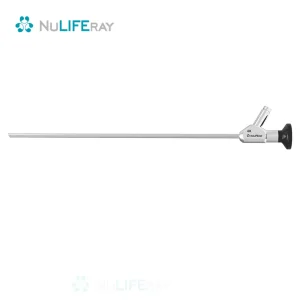
In Europe, North America, and parts of the Asia-Pacific region, the demand for integrated operating rooms is driven by the rise of Minimally Invasive Surgery (MIS) and robotic platforms. These high-precision procedures rely on stable digital signal pathways, advanced material components, and optical systems. Our facility specializes in producing tight-tolerance components like optical tracking system surgical equipment and precision CNC machined surgical components. These parts are engineered to perform under extreme sterilizing cycles (Autoclave/EtO) and mechanical stress, aligning with stringent global standards.
Our manufacturing systems align with ISO 13485:2016 quality standards, CE, and FDA compliance protocols, ensuring smooth integration into international medical supply chains.
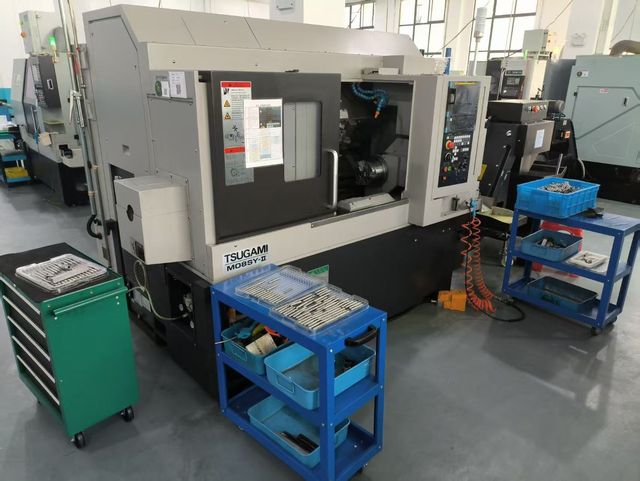
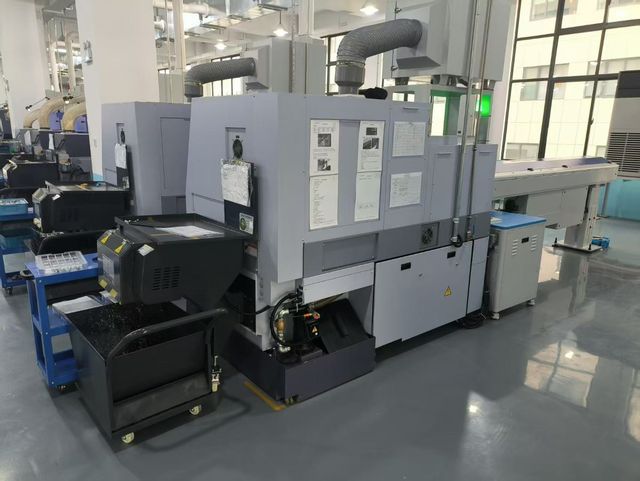
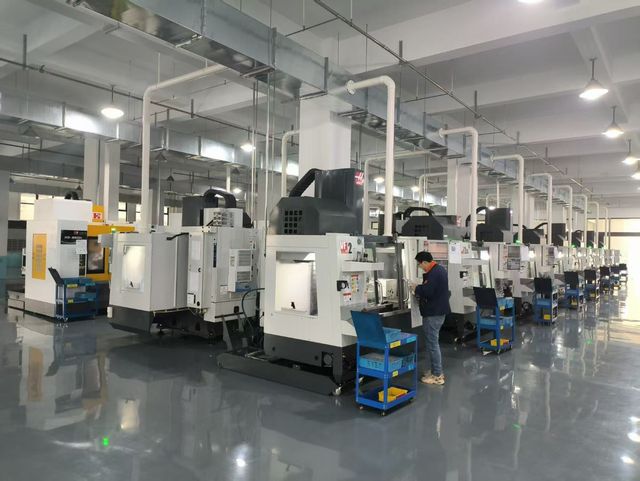
Equipped with advanced 5-axis CNC machining, micro-injection molding, and cleanroom facilities, we manufacture robotic joints and endoscopic housings to tolerances within ±0.005mm.
Our ISO Class 7/8 certified cleanrooms handle micro-molding and optic assemblies to prevent contamination in sensitive surgical components.
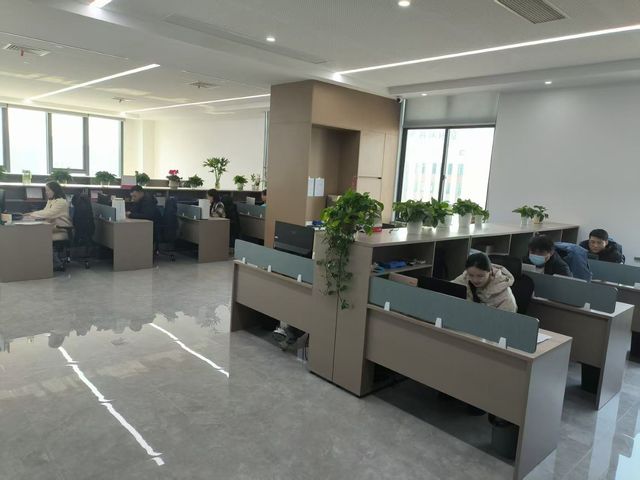
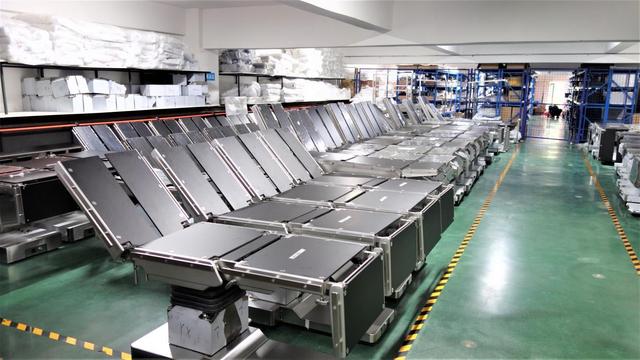
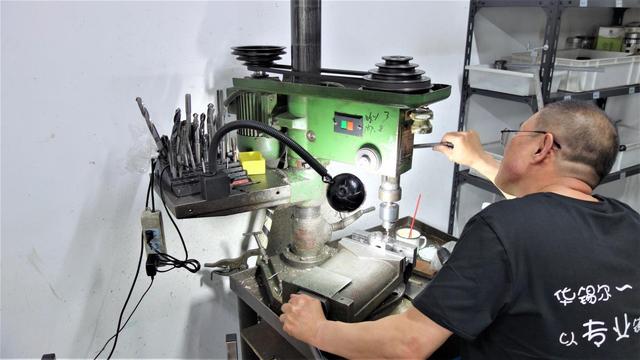
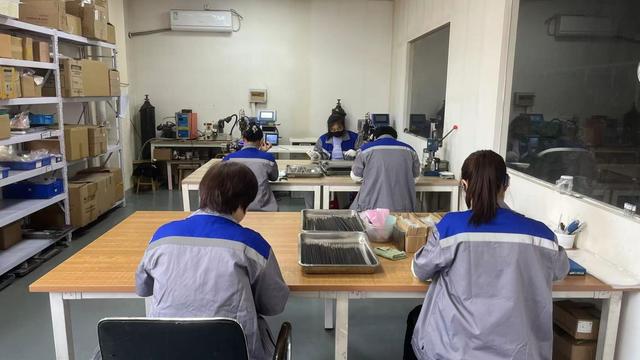
Our state-of-the-art facility features advanced technology for the production of surgical robot instruments, micro-optics, and complex medical device assemblies.
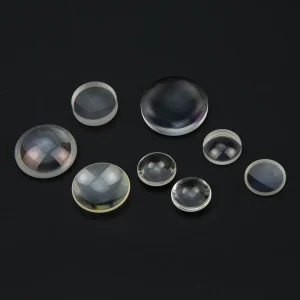
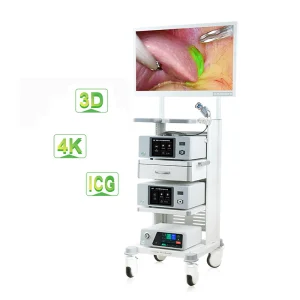
Modern surgical procedures increasingly require high-definition visualization. Systems like the Geiwre 4K UHD Medical Endoscope System for Fluorescence Arthroscopy represent this shift. 4K resolution provides surgeons with critical fine-tissue visibility, while Indocyanine Green (ICG) fluorescence imaging highlights real-time perfusion and vascular networks. Fabricating these systems requires precise alignment of optical lenses—such as the Customized Fused Silica Bk7 Optical Aspherical Lens—to minimize chromatic aberration and maximize light throughput.
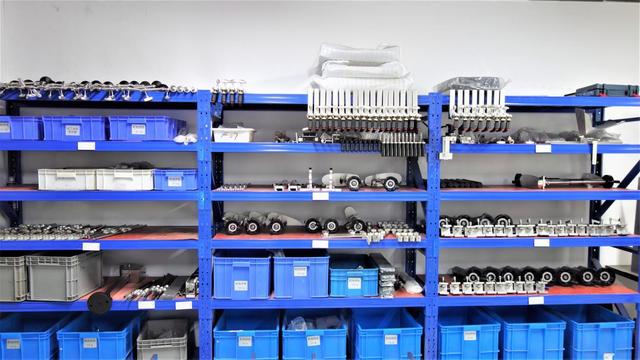
Robotic-assisted surgery (RAS) requires flexible and highly responsive instrumentation. Multi-joint and single-port robotic systems use high-density disposable cutter housings and articulation joints, which must be manufactured with extreme precision. We engineer custom molds for these components to ensure the reliable mechanical feedback required for surgical navigation.
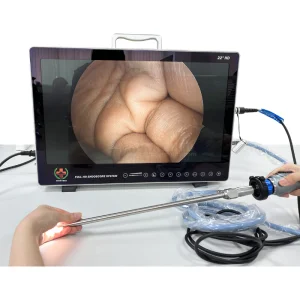
Modern operating rooms rely on fast, integrated video routing. Handheld, portable tools like the Portable Ent Endoscope Camera System offer HDMI outputs that interface directly with overhead surgical displays. Unifying these signals requires reliable hardware interfaces that maintain signal integrity and ensure zero latency during critical surgical maneuvers.
The future of computer-assisted surgery is focused on intelligence, tactile feedback, and miniaturization. The technical roadmap details a clear transition from structural integration to AI-assisted cognitive clinical systems.
Standardizing connection protocols across endoscopes, tracking hubs, and displays. Implementing low-latency HDMI and fiber-optic pathways to support high-definition video distribution.
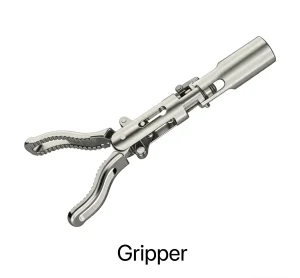
Integrating sensor nodes into instruments like the Six-Axis Laparoscopic Surgical Instrument Grasper. This allows the surgeon's console to deliver tactile resistance feedback, improving safety during delicate tissue manipulation.
Combining optical tracking equipment with real-time AI modeling. Integrated processors will identify anatomical landmarks, estimate margins, and prevent instrument collision with critical structures automatically.
The implementation of surgical device integration varies significantly based on local clinical demands and facility size. Below are the primary deployment profiles:
Designed for complex cardiovascular, neurosurgical, and orthopedic surgeries. These rooms integrate imaging towers, fluoroscopes, and robotic arms into a centralized data bus, enabling real-time navigation and imaging.
Outpatient surgical facilities focus on throughput and efficiency. They prioritize compact, versatile systems, such as 2-in-1 portable endoscopes, which reduce sterilization downtime and optimize floor space.
Focused on education and recording, these environments require advanced signal routing, such as 4K UHD streams, to broadcast live procedures to lecture halls and remote platforms without latency.

 TC MediGroup