TC MediGroup
1 / 5
| Size | Φ1.0~7mm | Φ8.0~20mm | Φ20.0~40mm | Φ40.0~60mm |
| PV | 0.2um | 0.3um | 0.5um | <1um |
| Eccentricity | <=3um | <=5um | <=5um | <=8um |
| Center Thickness Tolerance | ±0.015mm | ±0.020mm | ±0.025mm | ±0.050mm |
| Diameter Tolerance | ±0.015mm | ±0.015mm | ±0.015mm | ±0.030mm |
| Surface Quality | 40/20 | |||
| Surface Roughness | >20nm | |||
| Material | CDGM, NHG, and Customer Requirements | |||
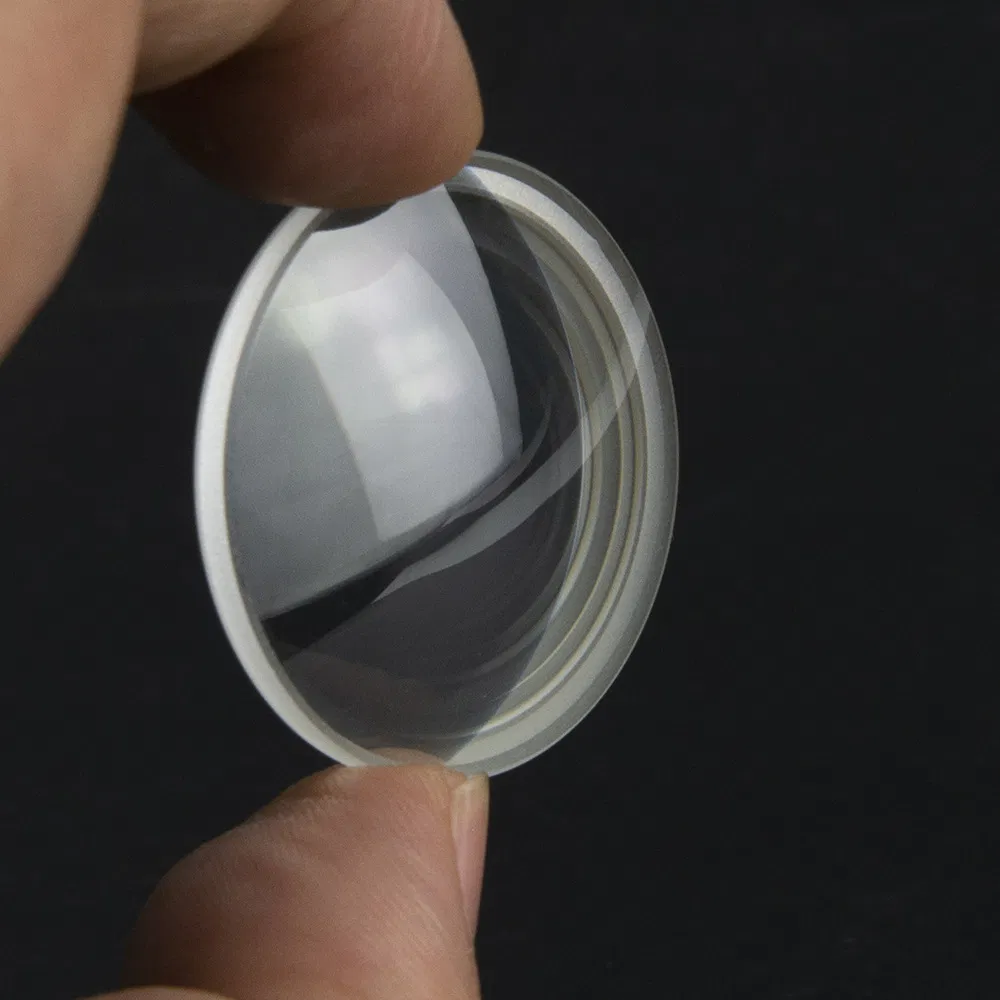
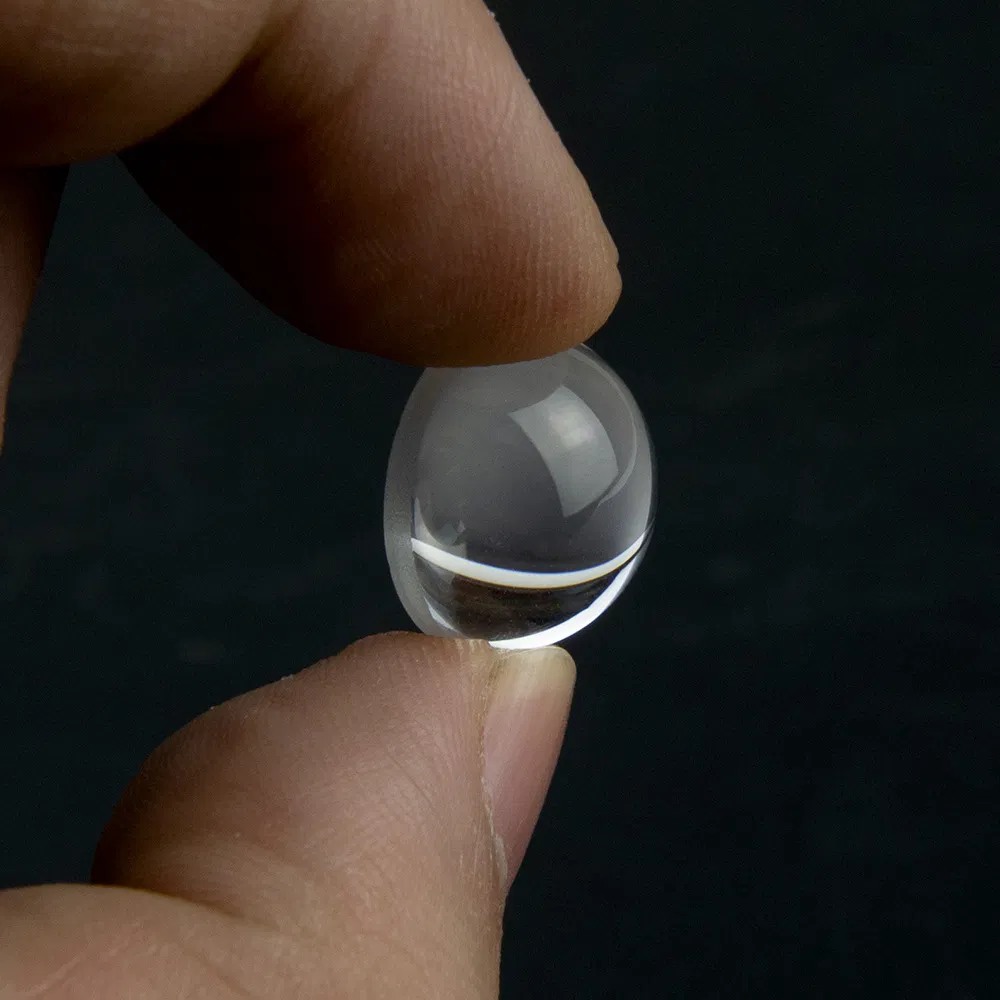
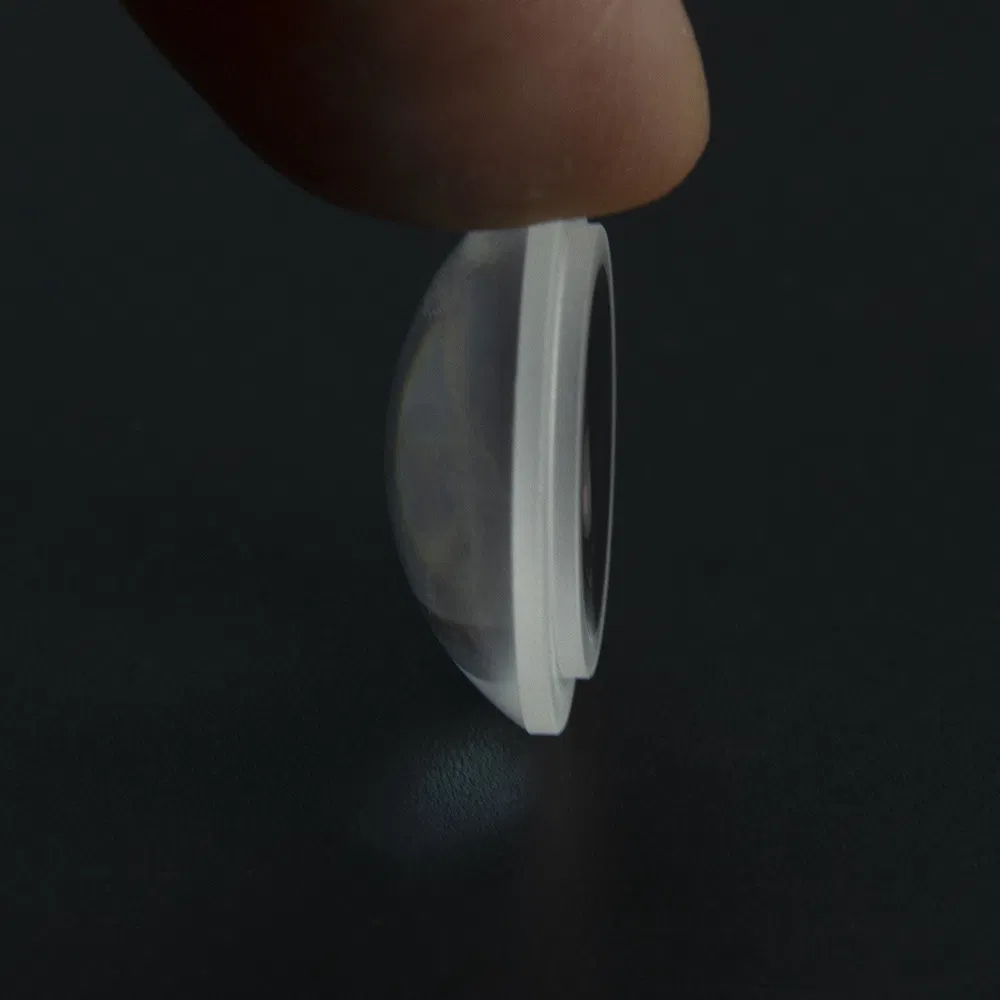
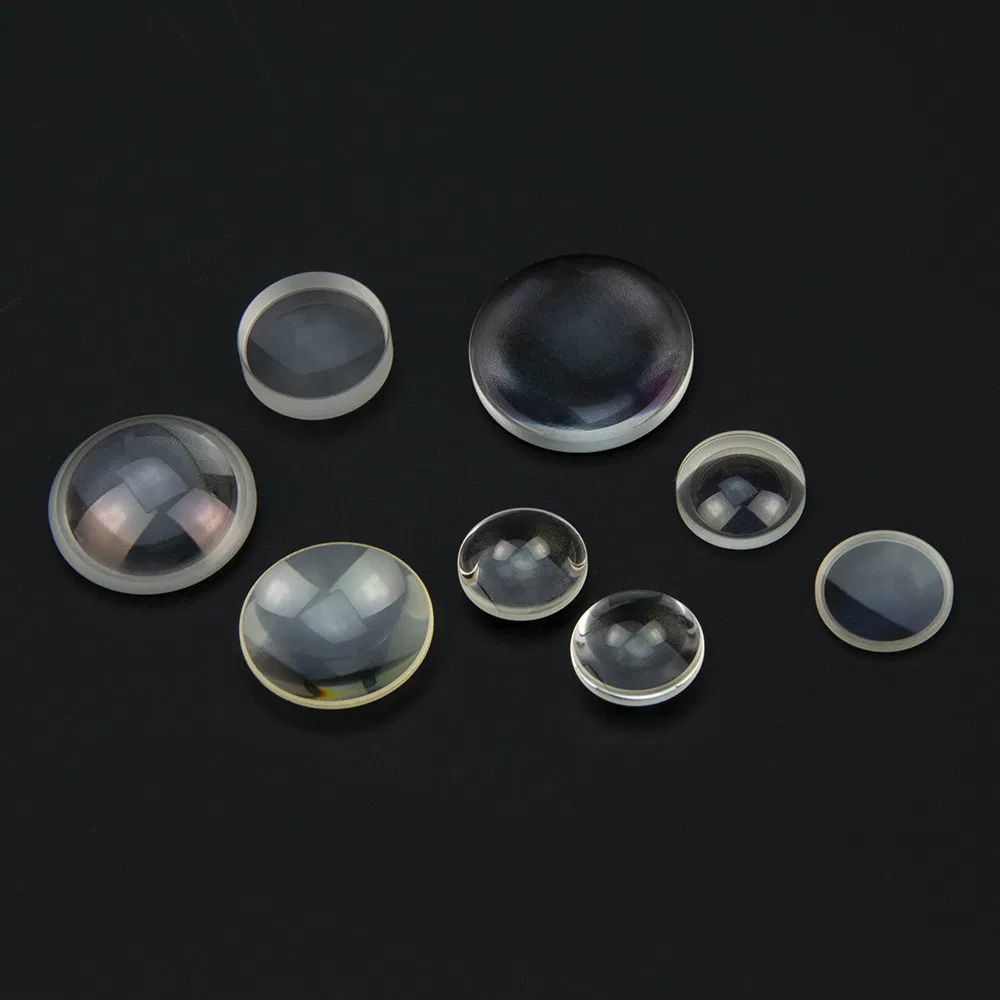
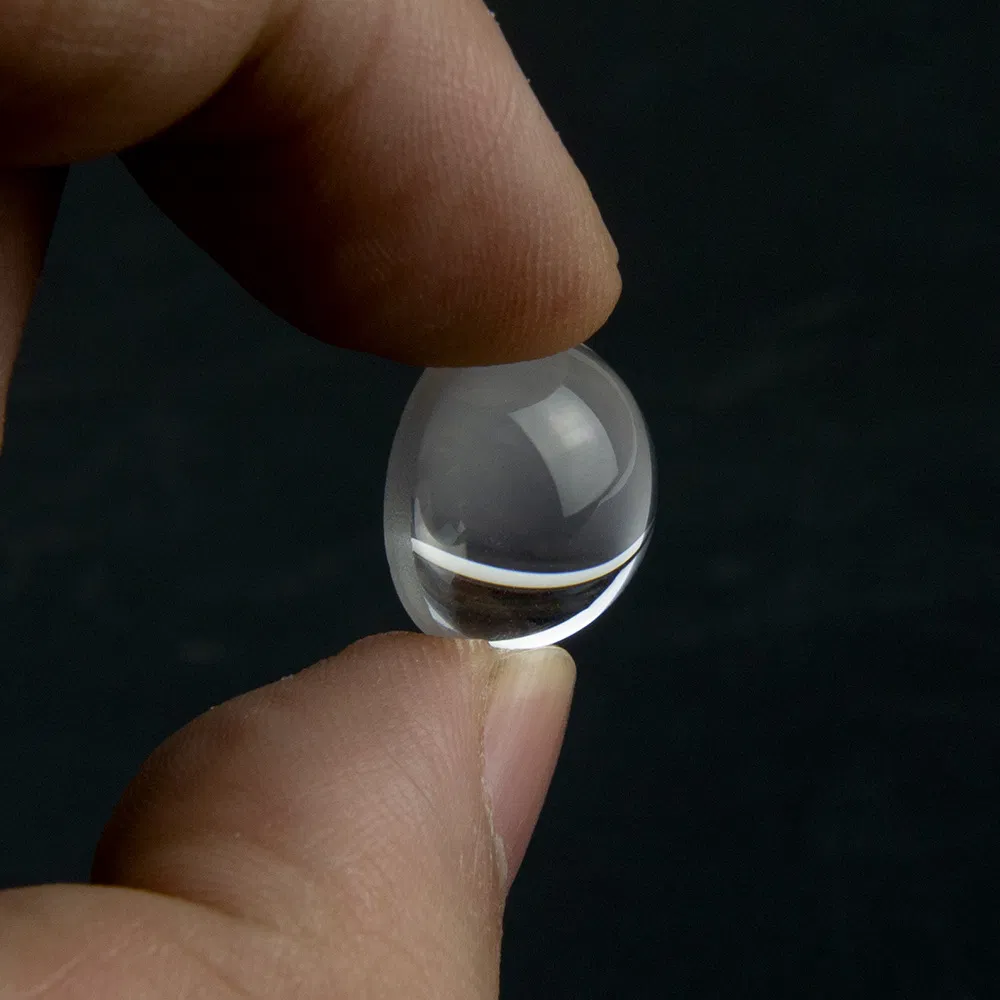
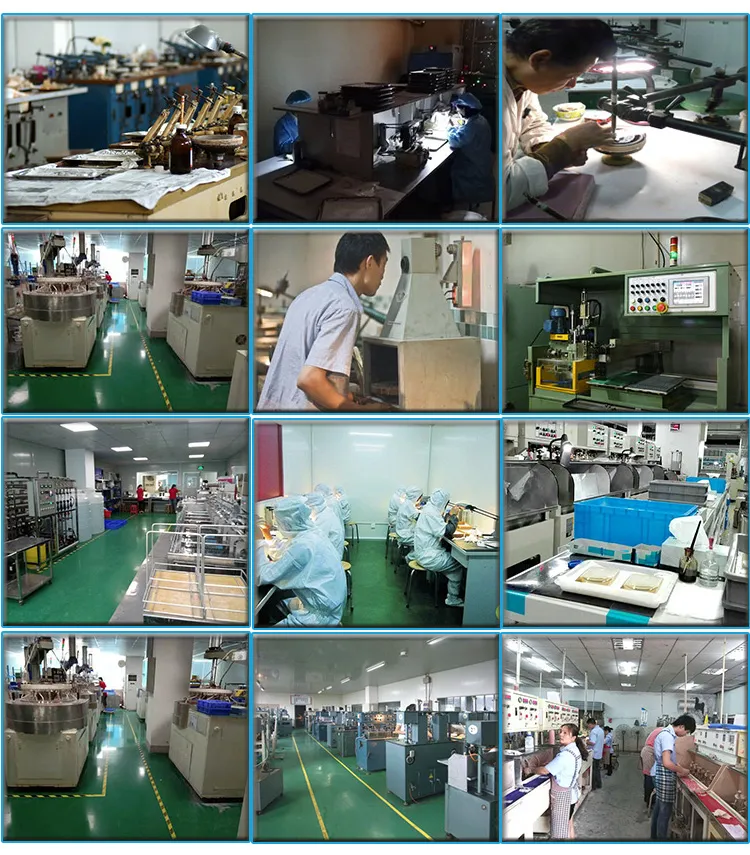
Small aspheric glass lenses can be made by molding, which allows for cost-effective mass production. These are commonly used in consumer cameras, mobile phones, and CD players, as well as for laser diode collimation and optical fiber coupling.
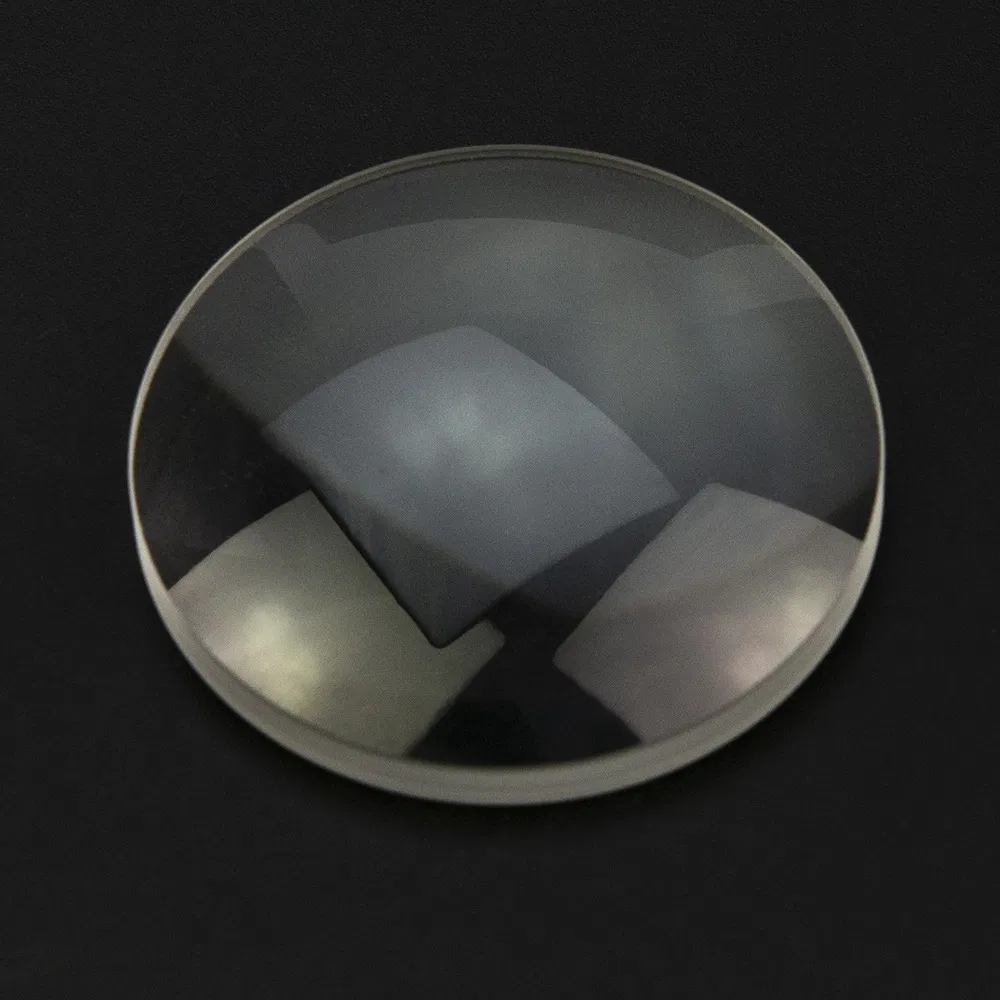
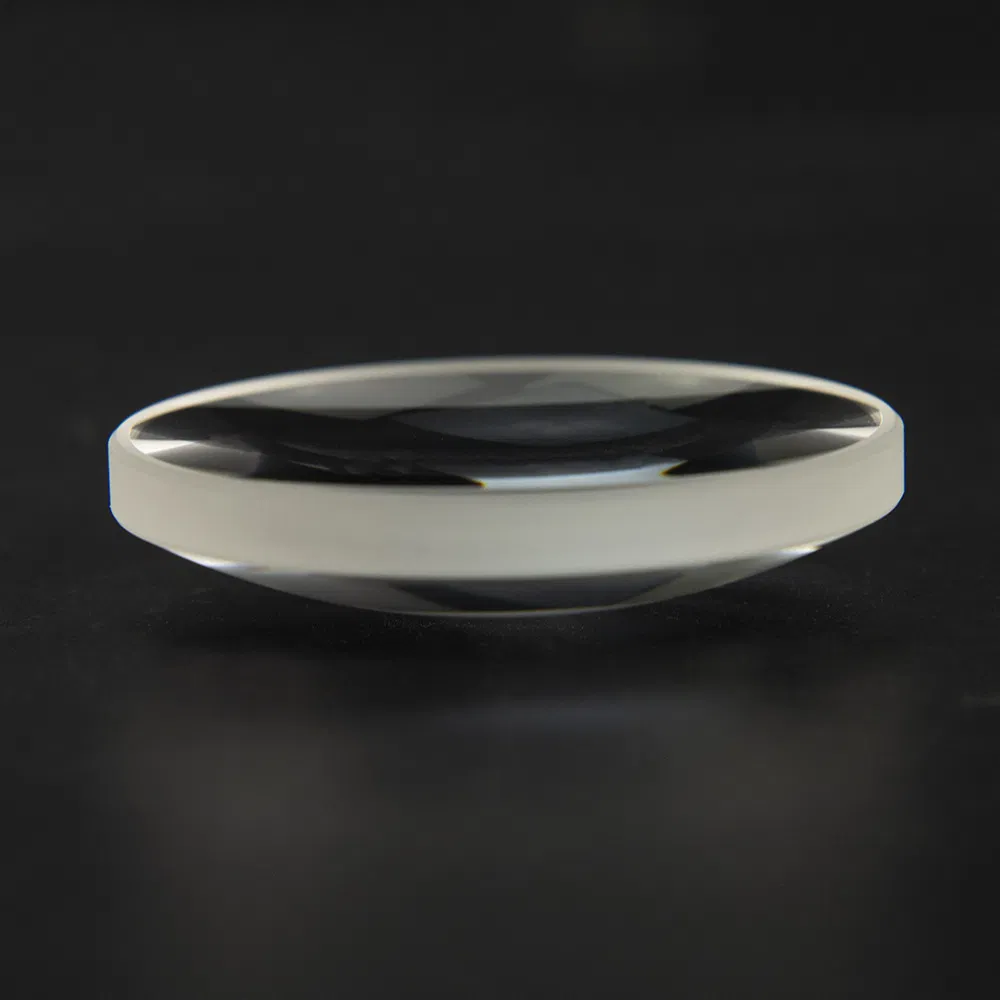
Larger aspheres are manufactured through grinding and polishing. These high-precision components are essential for telescopes, projection TVs, missile guidance systems, and scientific research instruments.
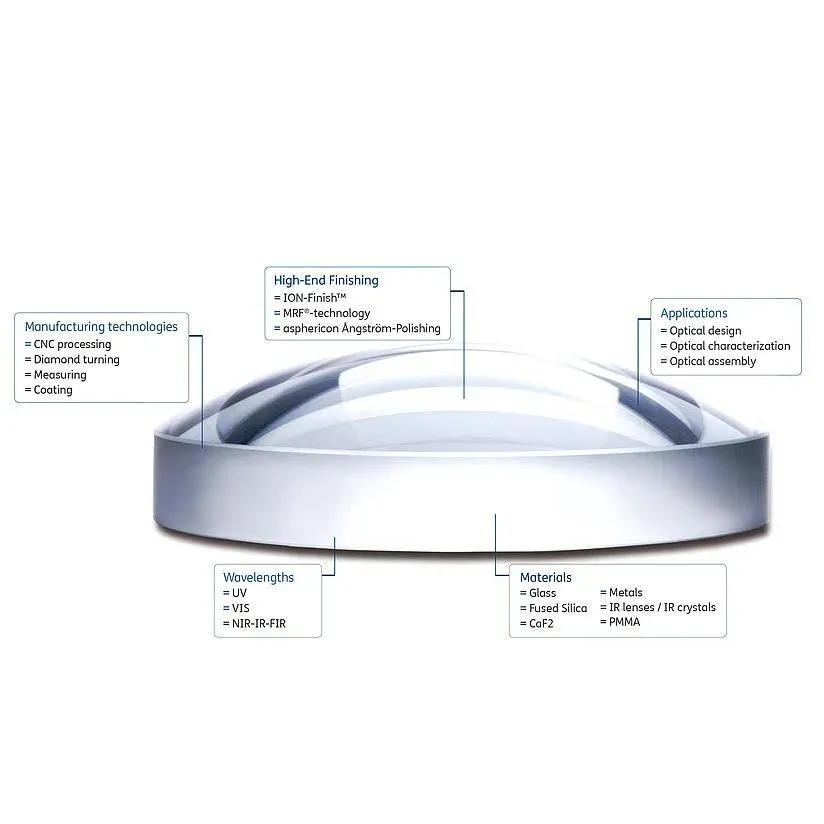
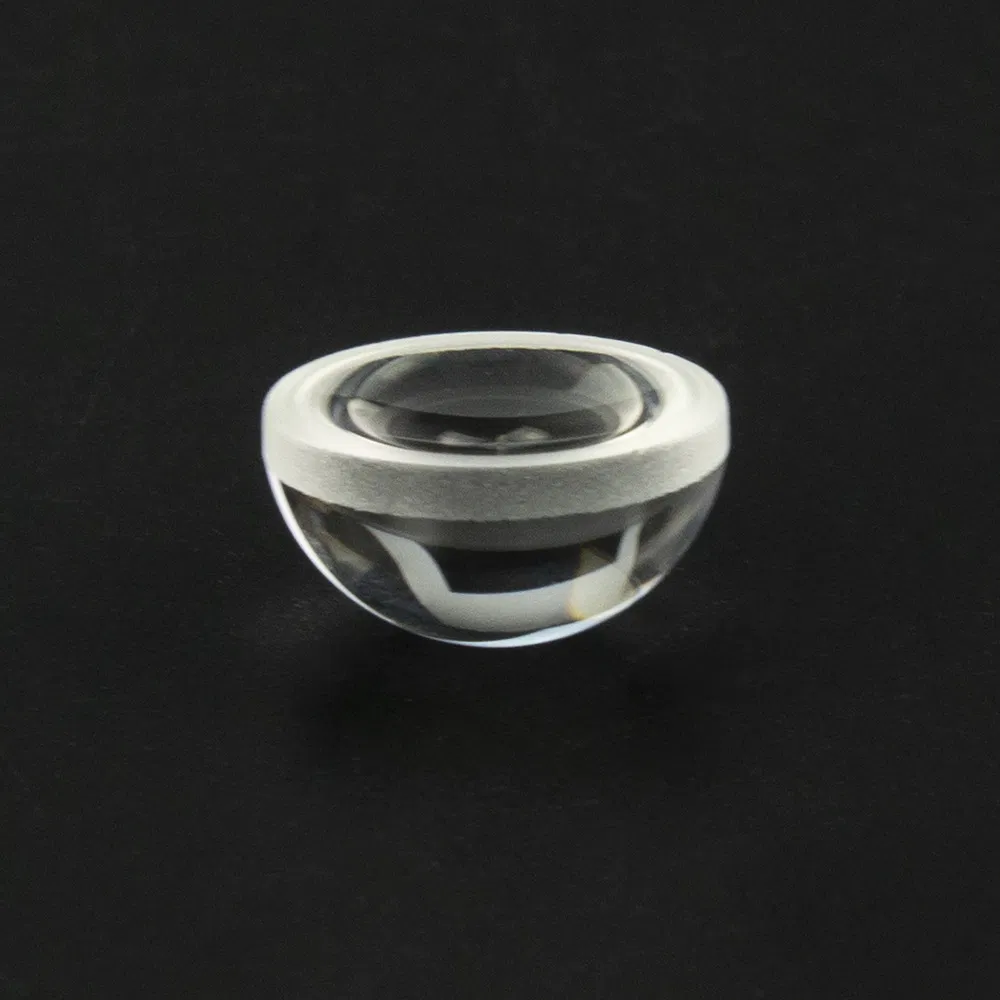
Aspheric lenses are designed with at least one surface where the radius of curvature varies gradually from the center to the edge. This design eliminates spherical aberration and allows for more compact optical assemblies.
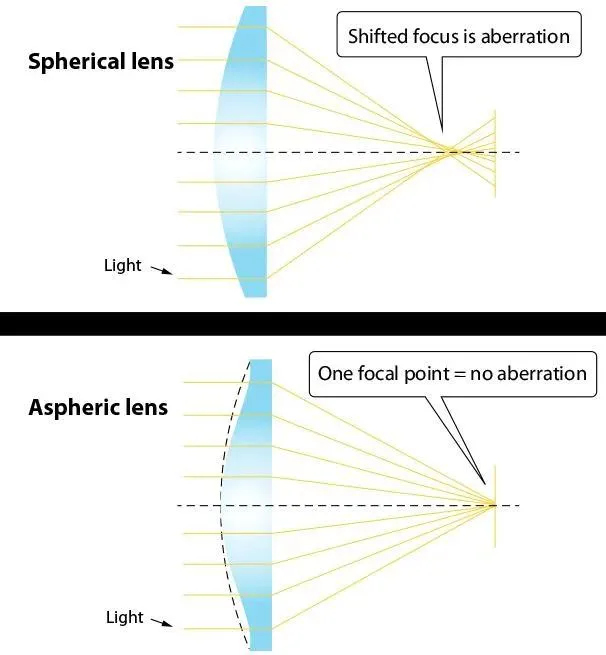
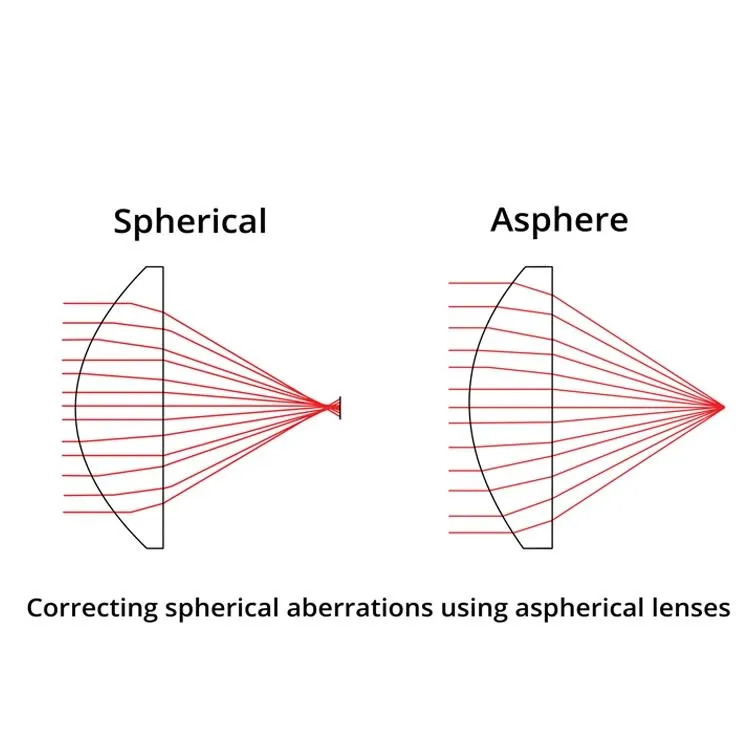
Used to correct astigmatism in optical systems or to stretch a point of light into a line. Common in barcode scanners, objective systems, and laser applications.

1. Correcting Astigmatism: Used in ophthalmology to compensate for corneal deformation by overlapping focal points at different axes.
2. Laser Line Scanning: Captures 3D object shapes by measuring the deformation of a straight laser line. Essential for prototyping and architecture.
3. Laser Scanning Microscopy: Combined with acousto-optic deflectors to focus light spots accurately onto planes without moving parts.