Discover our highly precise mechanical components, endoscopic visualization modules, and robotic accessories engineered for minimal trauma and maximal surgical efficacy.
The landscape of modern surgical intervention is evolving rapidly from traditional laparoscopy to highly articulated, teleoperated robotic systems. For medical device innovators, the challenge lies in translating complex mechanical designs into highly reliable, bio-compatible, and sterile instruments ready for the operating room.
Dongguan TC MediGroup Co., Ltd. stands at the forefront of this industrial transformation. As a professional manufacturer specializing in surgical robot instruments and minimally invasive surgical solutions, the company serves advanced healthcare institutions and medical device OEMs worldwide. By integrating micro-precision engineering with advanced materials, we supply components that extend the surgeon's hands with sub-millimeter precision.
Our engineering ecosystem combines cleanroom manufacturing, automated testing, and multi-axis CNC micro-machining. We don't just manufacture; we collaborate with your R&D teams to execute designs that comply with rigorous global healthcare metrics (ISO 13485, FDA 510(k), CE MDR).
Where surgical mechanics meets digital precision: mapping the milestones of tomorrow's robotic instruments.
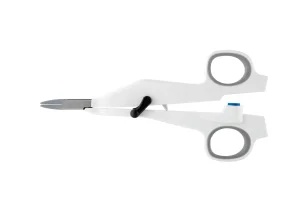
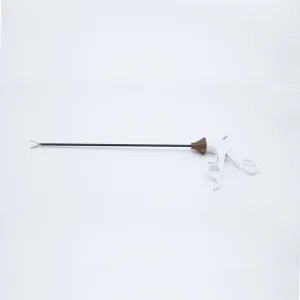
Next-generation end-effectors require real-time tactile replication. Our roadmap includes integrating piezoresistive and fiber Bragg grating (FBG) optical sensors directly into the jaws of graspers and micro-scissors, transmitting micro-Newton tissue resistance back to the master console.
Moving beyond basic wristed designs, we are developing hyper-redundant snake-like robotic instruments that navigate around tortuous anatomical pathways. This enables single-port surgeries (SILS) and natural orifice transluminal endoscopic surgery (NOTES).
With high-frequency energy instruments like Ligasure, insulation breakdown is a critical hazard. Our R&D is focused on coating shafts with multi-layered, nano-ceramic thermal barriers and utilizing PEEK and carbon-fiber composites for higher dielectric strength.
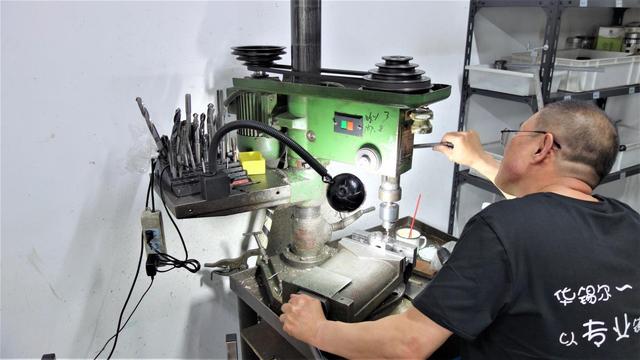
The future of robotic surgery demands absolute synergy between software controls and mechanical responsiveness. As a custom OEM manufacturer, Dongguan TC MediGroup Co., Ltd. continuously invests in CNC micro-milling, Swiss-type turning, and laser welding technologies to support this roadmap. Our upcoming generation of disposable robotic instruments aims to reduce hospital sterilizing cycle bottlenecks, offering clinical-grade instruments at fractional single-use costs.
Overcoming the bottlenecks of commercializing multi-axis surgical robotic arms and instruments.
The transition from a working laboratory prototype to a commercially viable, regulator-cleared robotic surgical platform is marked by strict quality controls and cost constraints. Global medical engineering corporations face high development costs, while startup surgical platforms face challenges in scaling precision parts supply chains.
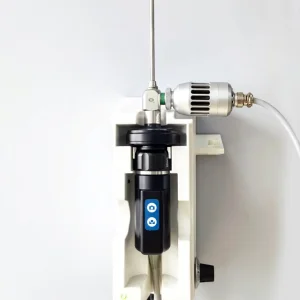
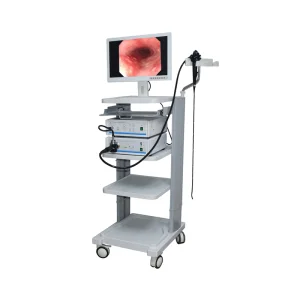
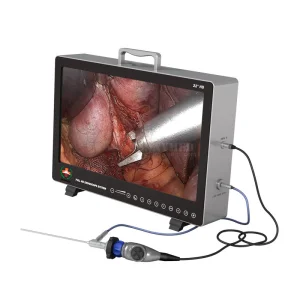
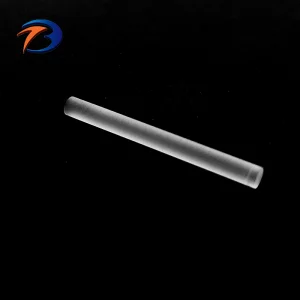
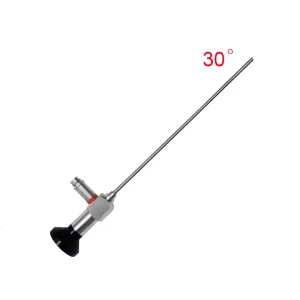
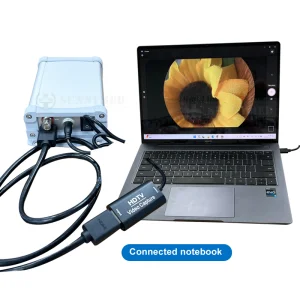
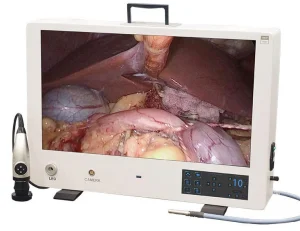
Robotic surgery relies heavily on high-fidelity visual streams. We design and manufacture endoscopic optics, such as specialized rod lenses for rigid laparoscopes and flexible fiber-bundle paths for bronchoscopy. By co-developing the visualization path and the micro-mechanical effector, we ensure the console operator experiences zero-latency visual-motor alignment.
For reusable instruments, durability is paramount. Autoclaving cycles, ultrasonic cleaning, and mechanical friction degrade component life. Our materials selection focuses on heat-treated 17-4 PH stainless steel, Nitinol for shape memory tasks, and titanium alloys. For single-use configurations, we focus on high-precision plastic injection molding combined with automated stamping to maintain high repeatability.
How our manufacturing infrastructure in Dongguan ensures rapid scaling, stable material sourcing, and global logistics optimization.
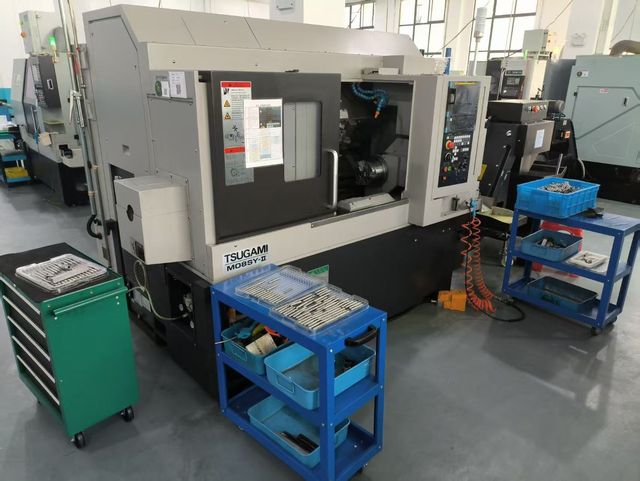
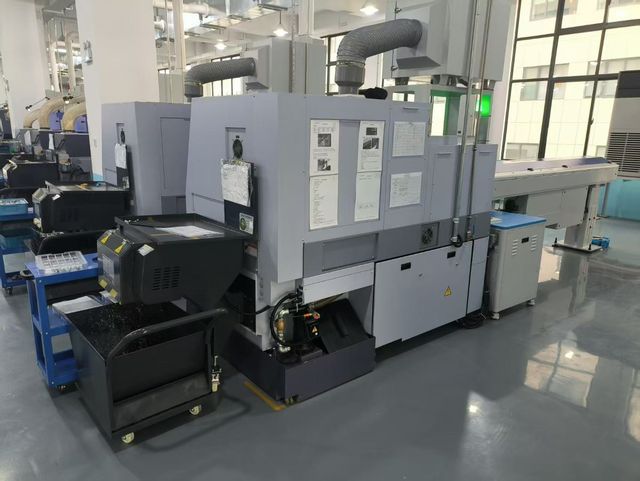
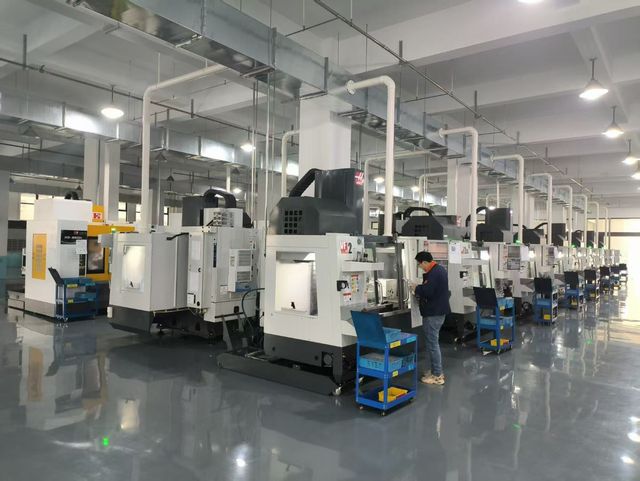
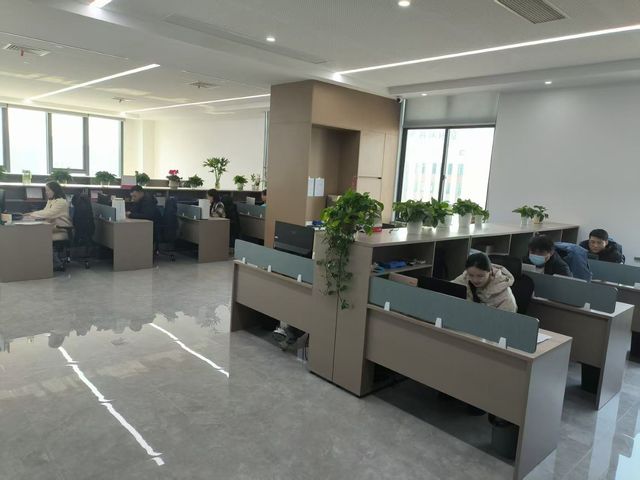
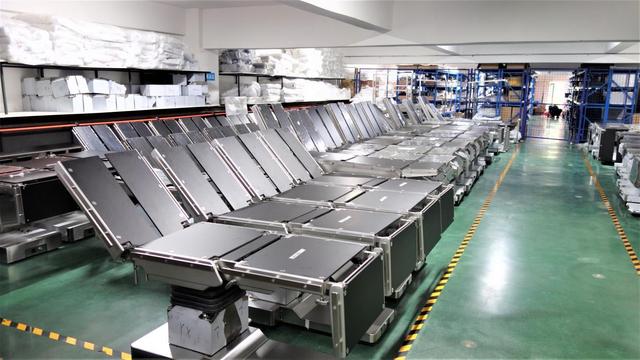
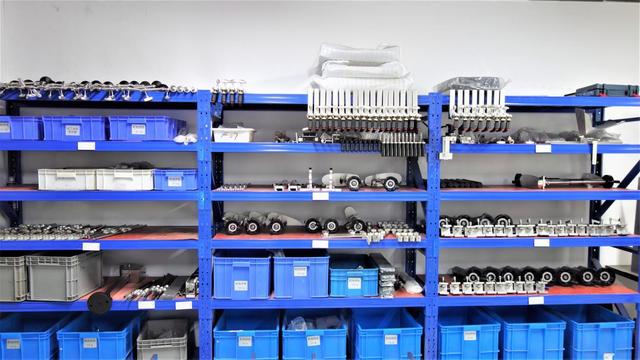
Dongguan is recognized globally as the center of advanced hardware manufacturing. By basing our production facilities here, Dongguan TC MediGroup Co., Ltd. leverages a highly concentrated supply chain. From specialty surgical steel suppliers to surface treatment facilities, all necessary nodes in the production cycle exist within a 50-kilometer radius. This allows us to reduce raw material lead times and accelerate prototyping cycles.
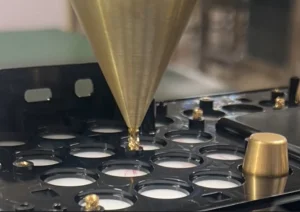
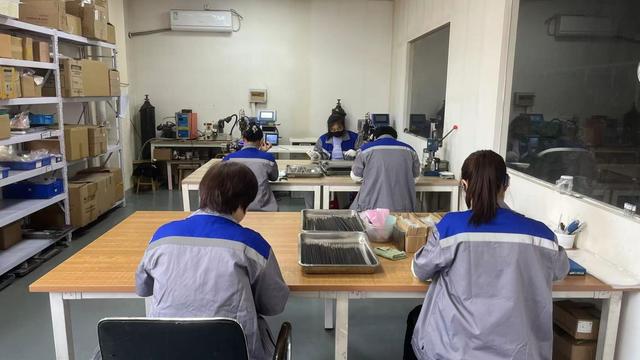
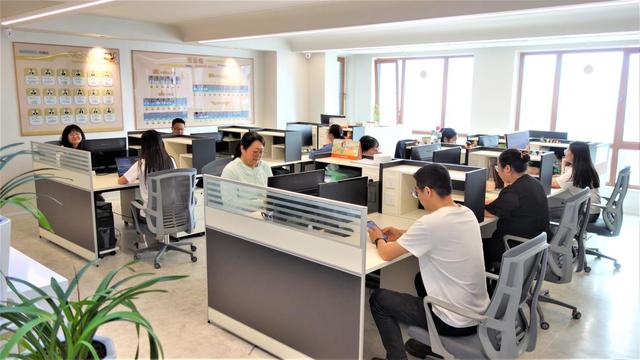
Our Factory 4.0 implementation features automated CNC coordinates inspection, digital trace tracking of batch lots (ensuring compliance with FDA Device History Records), and cleanroom packaging systems that deliver parts sterile-ready. This level of vertical integration results in a 30% reduction in production time compared to decentralized manufacturing setups.

Meeting global healthcare standards for medical robotic systems across key territories.
Navigating regulatory pathways requires thorough documentation. Our quality management systems align with the European Union Medical Device Regulation (MDR 2017/745) and FDA 21 CFR Part 820. We provide full traceability documentation, including raw material certificates (CoC), biocompatibility reports (ISO 10993), and sterilization validation studies.
Our manufacturing lines are audited to ISO 13485 (Medical devices — Quality management systems). Every process step, from mechanical grinding and laser welding to ultrasonic washing, is documented under a continuous improvement framework, ensuring that quality issues are detected before shipment.
"Developing high-precision surgical instruments is not only about mechanical tolerances; it is about patient safety. Our zero-defect quality philosophy ensures that every component is tested and verified for performance under load." – R&D Director, TC MediGroup
A structured overview of lead times, customization stages, and IP protection policies.
Purchasing surgical robotic components involves managing engineering specifications, tool design, validation runs, and volume production. Here is a breakdown of our standard engagement process:
| Stage | Key Milestone | Estimated Lead Time | Deliverables |
|---|---|---|---|
| 01 | DFM Review (Design for Manufacturing) | 1 - 2 Weeks | Optimized CAD files, tolerance limits, material sourcing plan. |
| 02 | Prototype & Tooling Run | 3 - 5 Weeks | Initial samples, tooling configuration reports, test results. |
| 03 | Verification & Validation (V&V) | 2 - 3 Weeks | ISO 10993 testing, functional life cycles validation. |
| 04 | Volume Production (Factory 4.0) | On-going schedule | Shipping logistics, Device History Records (DHR), Certificate of Analysis. |
Intellectual Property (IP) Protection: In custom medical designs, protecting customer IP is critical. Dongguan TC MediGroup Co., Ltd. implements strict security measures, including isolated project networks, localized data storage, and strict NDAs for all engineering and assembly staff.
Answers to technical, regulatory, and capability-related inquiries for surgical robot OEMs.
For high-strength and wear-intensive tasks, we use 17-4 PH stainless steel (precipitation hardening), which offers tensile strength and corrosion resistance. For components requiring flexibility, such as wristed joints, we use Nitinol (Nickel-Titanium shape memory alloy) or Medical Grade Titanium (Ti-6Al-4V ELI). Where electrical insulation is required, we use PEEK (Polyether ether ketone) and specialized ceramic coatings to prevent voltage breakdown during electrosurgery.
Yes. As a contract manufacturer, we provide the documentation needed for regulatory filings. This includes full Material Traceability records, Process Validation protocols (IQ/OQ/PQ), Biocompatibility testing documentation (ISO 10993), and Cleanroom Particle Monitoring data. We support our customers through the audit process to ensure successful submission.
Our production facilities utilize high-speed Swiss-type precision lathes and multi-axis CNC milling centers, maintaining manufacturing tolerances down to ±0.005mm. Quality checks are conducted using coordinate measuring machines (CMM), optical comparators, and automated vision inspection systems.
We validate our cleanroom-packed devices for various sterilization modalities, including Ethylene Oxide (EtO), Gamma Radiation, and Autoclave (steam sterilization). Packaging validations are carried out in accordance with ISO 11607 to ensure sterile barrier integrity during shipping and storage.
Yes, we offer design-for-manufacturing (DFM) support for rod lens systems, HD digital camera sensors, and fiber optic illumination assemblies. We help transition optical designs into physical housings that fit within laparoscopic configurations.
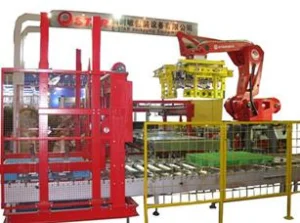
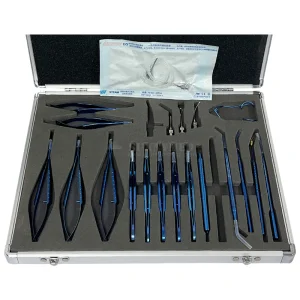
Explore our wider industrial solutions, including micro-surgery instruments, rigid rod lenses, and automated helper robotics.
 TC MediGroup