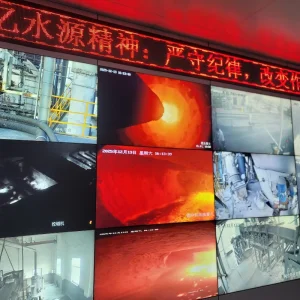
Leading-edge technology for clinical and industrial application
The global healthcare landscape is undergoing a radical transformation, shifting from traditional reactive care to a proactive, data-driven Remote Patient Monitoring (RPM) ecosystem. As populations age and the prevalence of chronic diseases rises, the demand for high-precision monitoring systems has skyrocketed. RPM systems are no longer just simple wearable gadgets; they are sophisticated, medical-grade infrastructures that integrate advanced sensors, AI analytics, and high-speed connectivity to provide real-time health insights.
Today, hospitals and healthcare providers worldwide are seeking "hospital-at-home" solutions that maintain clinical-grade accuracy. This trend is driving a massive industrial demand for reliable OEM/ODM partners in China, where manufacturing clusters like Dongguan provide the perfect synergy between precision mechanical engineering and cutting-edge electronic integration.
Modern RPM systems utilize AI to predict patient deteriorations before they occur. By analyzing trends in vitals, algorithms can alert clinical staff to subtle changes, reducing emergency readmissions by up to 30%.
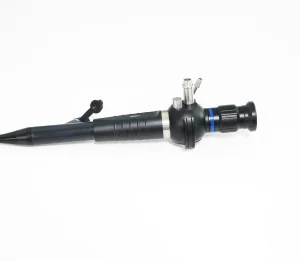
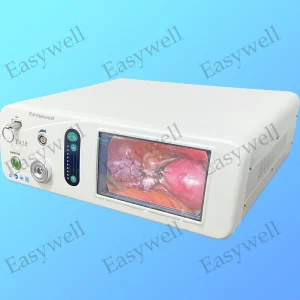
The rollout of 5G has enabled near-zero latency for remote surgical systems and real-time monitoring. This connectivity ensures that data from high-definition endoscopes and robotic tools is transmitted instantly to specialists anywhere in the world.
As highlighted by Dongguan TC MediGroup Co., Ltd., the integration of surgical robot instruments with monitoring platforms allows for minimally invasive procedures with unprecedented accuracy and post-operative tracking.
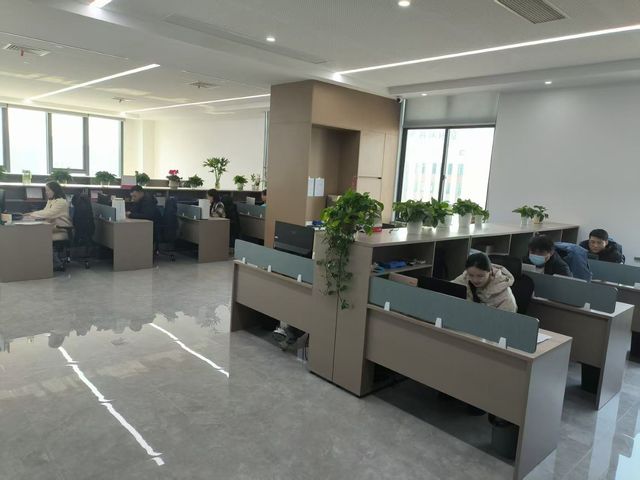
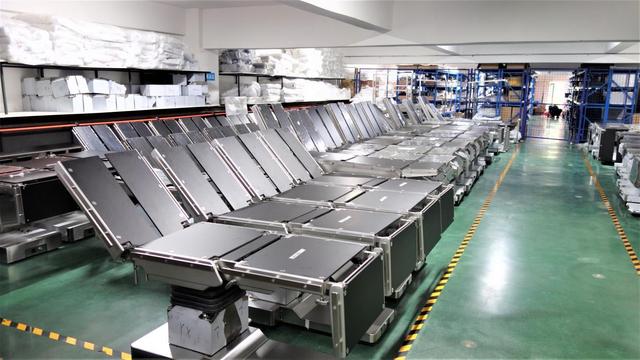
Dongguan TC MediGroup Co., Ltd. stands as a beacon of excellence in the professional manufacturing of surgical robot instruments and minimally invasive surgical solutions. Serving advanced healthcare institutions globally, our expertise lies in delivering high-precision, reliable devices that meet the rigorous demands of modern clinical environments.
Our comprehensive portfolio includes:
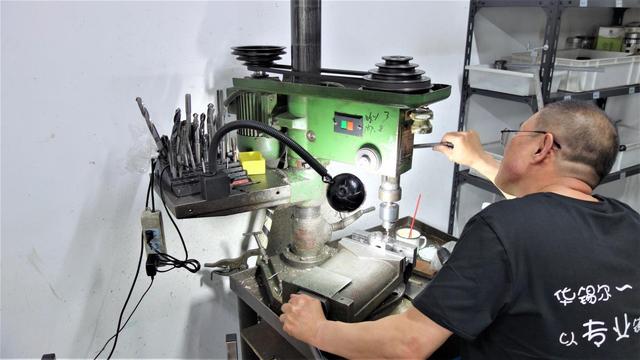
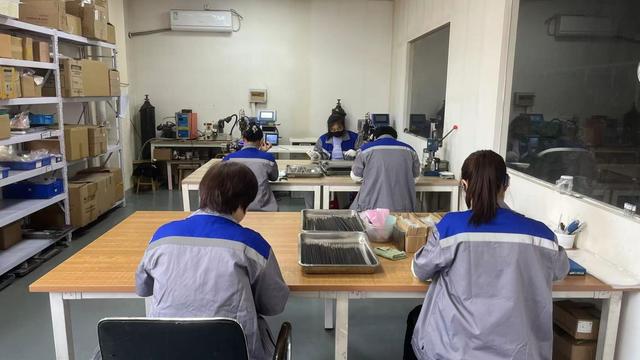
Backed by robust R&D capabilities, we integrate ergonomic design with high-performance materials. Our facility adheres to strict international medical regulations, ensuring every component provides safety, durability, and consistent performance. This commitment to quality makes us a preferred supplier for hospitals and surgical centers looking to upgrade their technological capabilities.
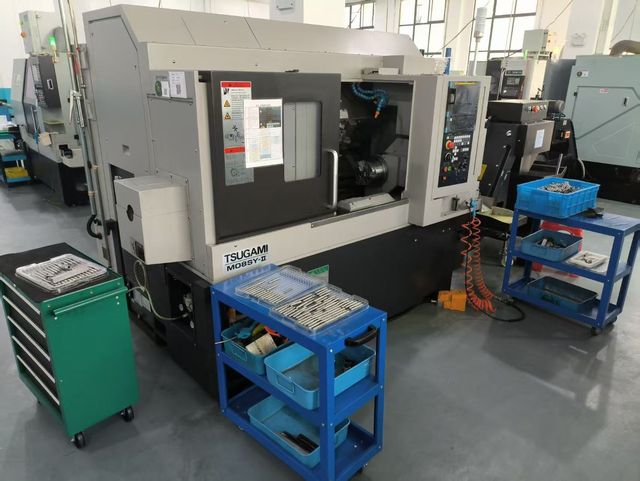
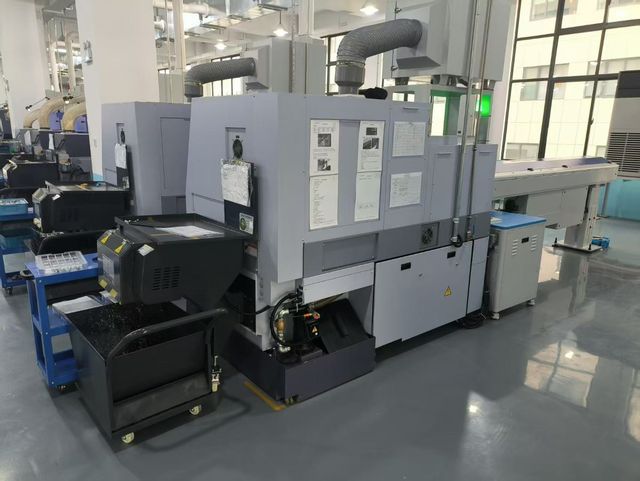
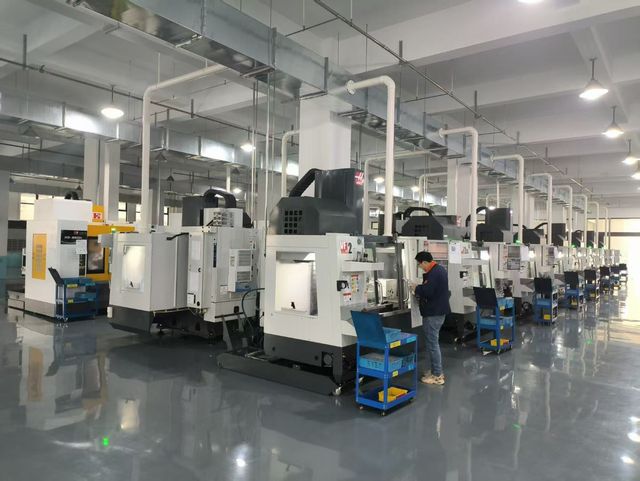
Global medical distributors and government health departments are increasingly looking for scalable RPM platforms. Key requirements include HIPAA/GDPR compliance, interoperability with existing Electronic Health Records (EHR), and a robust supply chain that can deliver thousands of units without delay.
In developed regions like North America and Europe, localized RPM applications focus on post-surgical recovery and geriatric care. Patients use integrated devices (blood pressure cuffs, pulse oximeters, and robotic monitoring tools) that feed data directly to their surgeons' dashboards.
Sourcing from China offers unique advantages: speed of prototyping, cost-efficiency through massive economies of scale, and an integrated supply chain where electronics and mechanical precision parts are manufactured within miles of each other. This reduces lead times and ensures rapid iteration for custom medical devices.
Precision equipment for healthcare and high-temperature industrial monitoring
At Dongguan TC MediGroup Co., Ltd., our mission is to push the boundaries of medical technology. By integrating precision engineering and advanced materials into every surgical tool and monitoring component, we empower surgeons and clinicians to deliver better patient outcomes. Our rigorous quality control standards and compliance with international medical regulations ensure that we are not just a supplier, but a reliable partner in the global healthcare journey.
As the industry moves toward more connected and autonomous systems, we remain at the forefront, developing the next generation of robotic-assisted surgical accessories and remote monitoring infrastructures that will define the future of medicine.
 TC MediGroup