Explore our core engineering assemblies and medical manufacturing solutions supporting minimally invasive diagnostic and therapeutic systems.
Critical Engineering Insights, Material Science standards, and Technical Demands for OEMs and Medical Device Integrators.
Modern endoscopy demands component tolerances of ±0.005mm or tighter. Advanced endoscope insertion tubes rely on medical-grade stainless steel (316L, 17-4 PH), Superelastic Nitinol, and engineering polymers such as PEEK and Pebax. These materials must meet strict ISO 10993 biocompatibility requirements to guarantee patient safety under long-duration in vivo contact.
Every flexible endoscope accessory must survive rigorous, repetitive sterilization protocols, including Ethylene Oxide (EtO), Autoclave, and low-temperature hydrogen peroxide plasma. Components such as control wires, articulation joints, biopsy channel connectors, and distal caps are designed to prevent bioburden accumulation and facilitate seamless reprocessing.
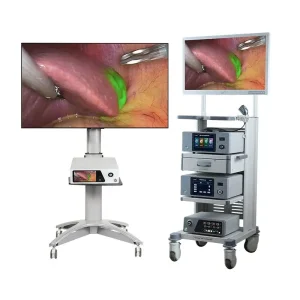
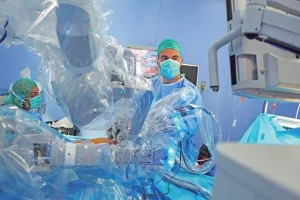
With the rise of robotic endosurgery towers (including 4K visualization and multi-axis manipulators), accessories must seamlessly interface with complex electromechanical drive units. This requires standardized torque-to-rotate profiles, predictable tensile response curves, and precise signal routing through hybrid fiber-optic and electrical connectors.
How the industrial integration of Dongguan & Shenzhen delivers unmatched scale, cost efficiency, and world-class medical quality.
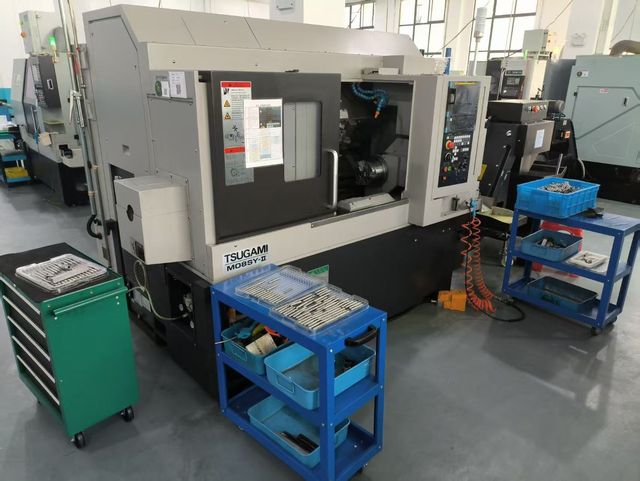
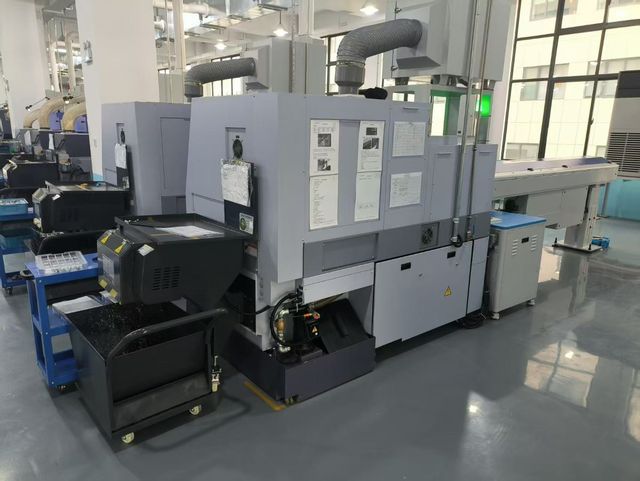
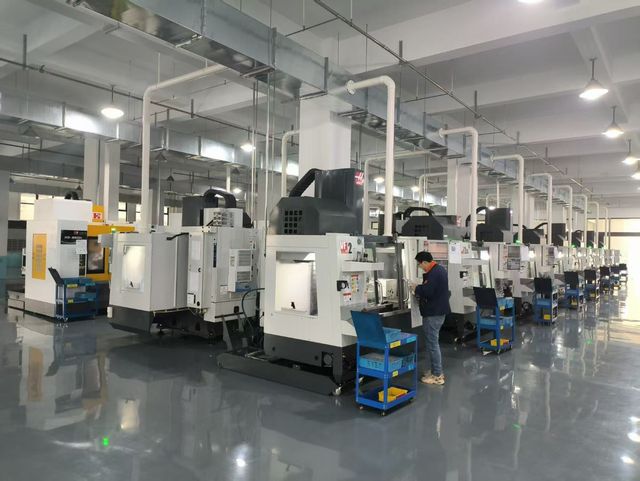
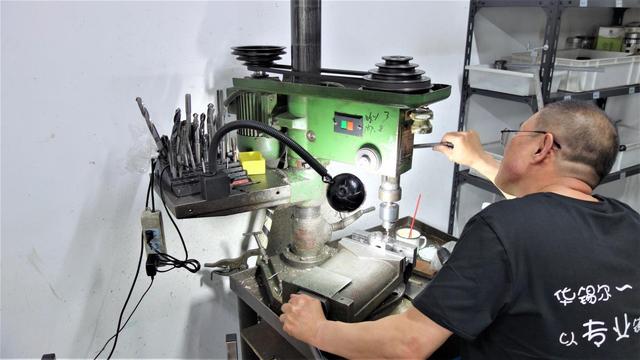
By housing precision CNC Swiss machining, Metal Injection Molding (MIM), laser micro-welding, and automated passivation in close geographic proximity, Chinese manufacturing centers like TC MediGroup eliminate transport delays, ensure strict batch traceability, and minimize component lead times.
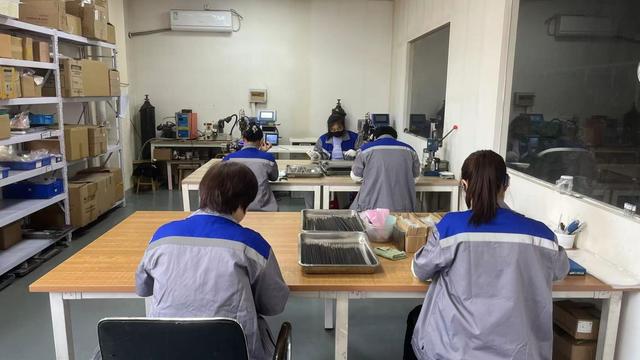
Global regulatory compliance requires cleanroom assembly. Chinese factories feature ISO Class 8 (Class 100,000) and ISO Class 7 cleanrooms equipped with real-time bioburden tracking, particle monitoring, and validated ultrasonic cleaning systems to ensure clinical safety prior to final sterilization.
Rapid R&D cycles are critical. Designers leverage high-speed prototyping tooling to deliver functional endoscope accessory samples within days. Through collaborative Design for Manufacturability (DFM) reviews, engineers eliminate downstream mass-production errors, cutting total development costs by up to 40%.
Ensuring cross-border medical approvals and high-level engineering communication across EU, US, and APAC markets.
Navigating the transition from MDD to MDR in the EU or submitting a 510(k) to the FDA requires rigorous component validation data. We supply full technical dossiers, including biocompatibility reports, mechanical stress evaluations, chemical characterization, and risk analysis sheets (ISO 14971) to streamline your registration pathways.
We work with distribution networks in North America, Western Europe, and Japan to establish localized safety stock warehouses. This dynamic buffer stock system protects against geopolitical volatility and minimizes emergency lead times from months to days.
Confidentiality is paramount in medical hardware R&D. Our facilities deploy segmented networks, secure servers, and stringent physical access controls to protect proprietary client IP. Custom tooling, custom molds, and proprietary configurations are strictly isolated within our production facilities.
Your Trusted Partner for Minimally Invasive Surgical Components and Robotic Instrument Systems.
Dongguan TC MediGroup Co., Ltd. is a professional manufacturer specializing in surgical robot instruments and minimally invasive surgical solutions, serving advanced healthcare institutions worldwide. The company focuses on delivering high-precision, reliable, and innovative medical devices designed to support modern robotic-assisted surgeries and improve clinical outcomes.
TC MediGroup provides a comprehensive range of solutions, including robotic surgical instruments, minimally invasive surgical toolsets, endoscopic-compatible components, precision micro-surgical parts, and advanced operating system accessories. These products are engineered to enhance surgical accuracy, reduce patient trauma, and support faster recovery in complex medical procedures.
Backed by strong R&D capabilities and advanced manufacturing technology, Dongguan TC MediGroup integrates precision engineering, ergonomic design, and high-performance materials into every product. The company maintains strict quality control standards and complies with international medical regulations to ensure safety, durability, and consistent performance.
With a commitment to innovation and global healthcare advancement, TC MediGroup offers flexible OEM/ODM services tailored to diverse clinical requirements. Through continuous technological development and customer-focused solutions, the company aims to support hospitals and surgical centers worldwide in upgrading to next-generation robotic and minimally invasive surgical systems.
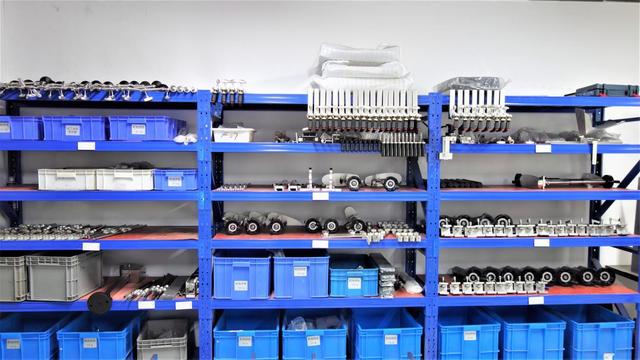
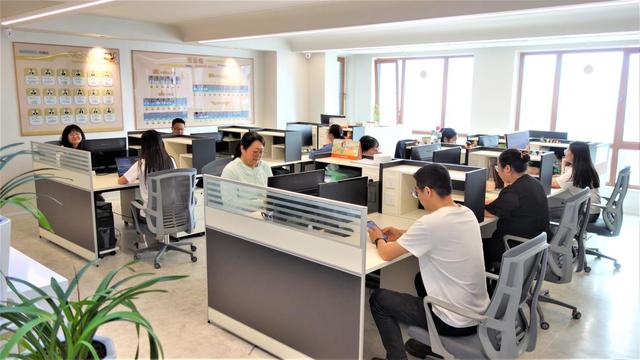
How high-precision flexible endoscopes and advanced accessories optimize performance in daily surgical environments.
In gastroscopy and colonoscopy, biopsy channel accessories must navigate tight bend radii without causing internal friction or sheath degradation. Our ultra-smooth outer coatings and high-tensile guide wire designs prevent catheter buckling during tortuous diagnostic procedures.
Urological and bronchial spaces demand narrow diameters. Our micro-machined laser-cut snake-bone links enable smaller bending sections down to 3.0 Fr, allowing surgeons to explore complex distal anatomy with low risk of tissue trauma.
Robotic controllers rely on immediate haptic feedback and zero mechanical backlash. By utilizing custom titanium links and specialized cable tensioners, our accessories provide sub-millimeter positional responsiveness for delicate soft-tissue manipulation.
Keep your product portfolio ahead with insights on single-use transition, smart sensors, and advanced visualization systems.
To eliminate cross-infection risks, healthcare models are transitioning to single-use scopes. This shifts manufacturing requirements toward high-volume, low-cost plastic optical modules and molded distal tips that deliver high optical performance without re-sterilization costs.
Distal tips are increasingly incorporating 4K and FHD CMOS image sensors alongside micro-LED lighting. Access channel routing must support ultra-thin high-speed data transmission lines without sacrificing structural rigidity or flexibility.
Environmental standards in markets like the EU require medtech companies to utilize green packaging and recyclable polymers for single-use devices. We actively design component profiles using bio-compatible, high-performance thermoplastics that meet clinical and environmental regulations.
Technical answers to common questions about flexible endoscope accessory manufacturing, design optimization, and delivery times.
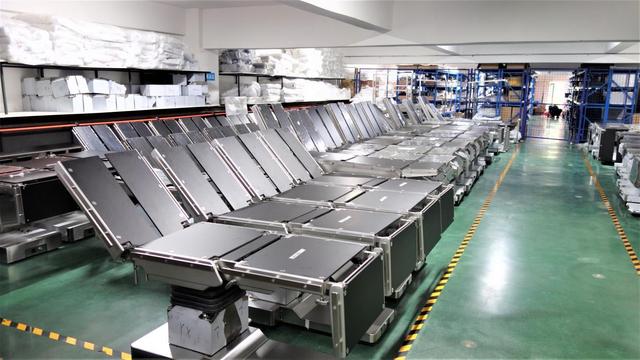
Complete assembly configurations, robotic integration units, and auxiliary equipment for operating theatres.
 TC MediGroup