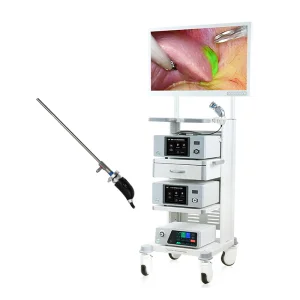
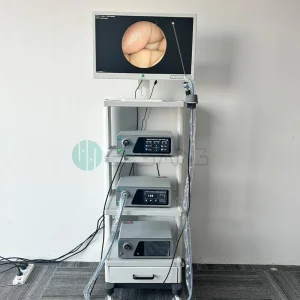
Explore our primary range of integrated endoscopy imaging hardware, specialized surgical instruments, and customizable robotic-compatible assemblies.
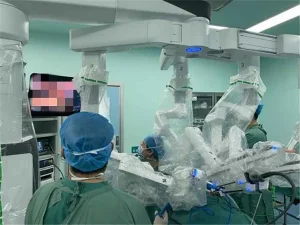
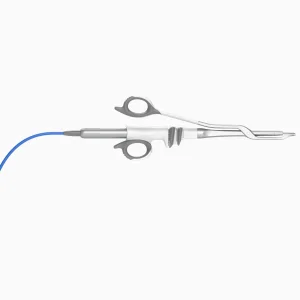
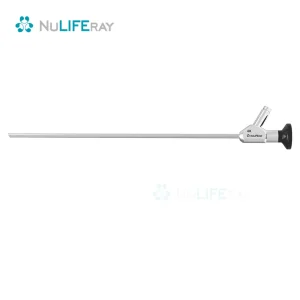
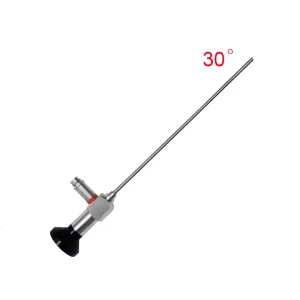
The modern landscape of Minimally Invasive Surgery (MIS) relies on a delicate balance of precision mechanics and high-definition visualization. Today's global surgical standards demand endoscopes that offer not just visual clarity, but extreme reliability under demanding clinical conditions. China's manufacturing sector has undergone a profound structural shift—transitioning from basic assembly to high-precision engineering of complex medical platforms.
By leveraging advanced materials, CNC Swiss-type milling, and proprietary optical coatings, leading Chinese suppliers supply the global market with components capable of enduring repeated sterilization cycles (such as autoclave and plasma sterilization) while maintaining sub-micron tolerance. These advancements ensure that clinical practitioners receive devices that minimize surgical risks and optimize patient outcomes.
By streamlining raw material sourcing and precision micro-machining within single regional hubs, China-based manufacturers mitigate global logistical bottlenecks, ensuring steady lead times for crucial medical device supplies.
Conforming to the EU Medical Device Regulation (MDR) and FDA 510(k) frameworks, components are manufactured under rigid quality controls, including continuous bio-compatibility testing and comprehensive traceability.
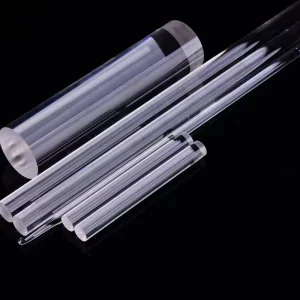
We provide medical-grade optical rod lenses, custom robotic drapes, and mechanical components designed to integrate with established Western, Japanese, and domestic surgical platforms.
Dongguan TC MediGroup Co., Ltd. is a professional manufacturer specializing in surgical robot instruments and minimally invasive surgical solutions, serving advanced healthcare institutions worldwide. The company focuses on delivering high-precision, reliable, and innovative medical devices designed to support modern robotic-assisted surgeries and improve clinical outcomes.
TC MediGroup provides a comprehensive range of solutions, including robotic surgical instruments, minimally invasive surgical toolsets, endoscopic-compatible components, precision micro-surgical parts, and advanced operating system accessories. These products are engineered to enhance surgical accuracy, reduce patient trauma, and support faster recovery in complex medical procedures.
Backed by strong R&D capabilities and advanced manufacturing technology, Dongguan TC MediGroup integrates precision engineering, ergonomic design, and high-performance materials into every product. The company maintains strict quality control standards and complies with international medical regulations to ensure safety, durability, and consistent performance.
With a commitment to innovation and global healthcare advancement, TC MediGroup offers flexible OEM/ODM services tailored to diverse clinical requirements. Through continuous technological development and customer-focused solutions, the company aims to support hospitals and surgical centers worldwide in upgrading to next-generation robotic and minimally invasive surgical systems.
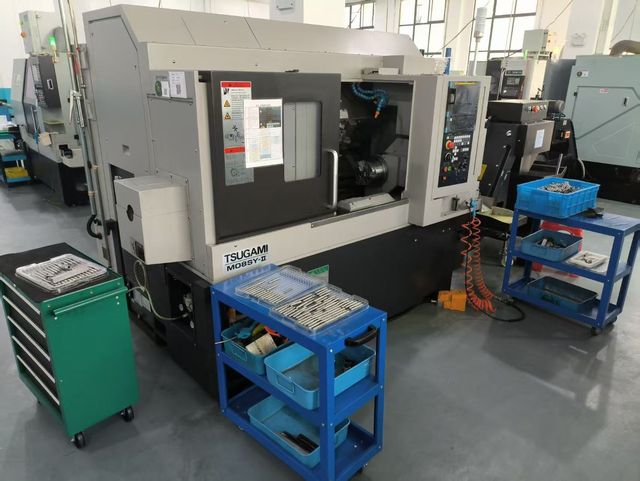
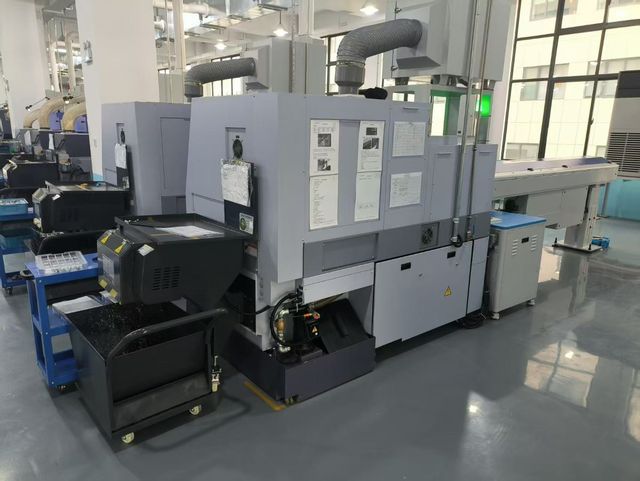
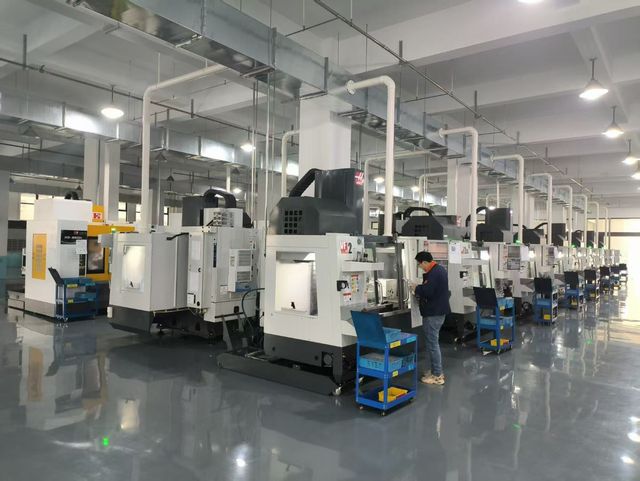
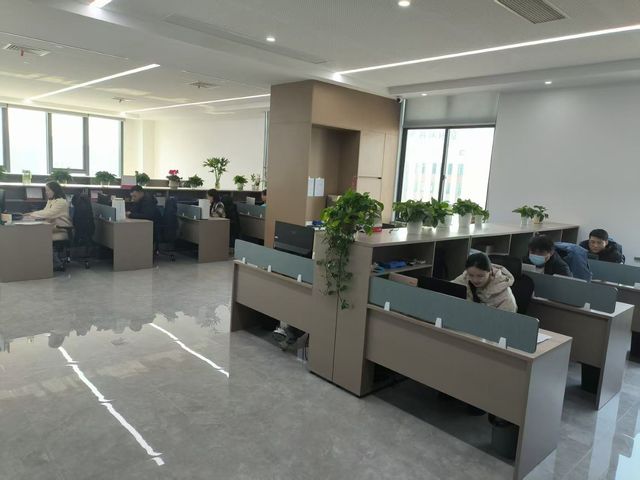
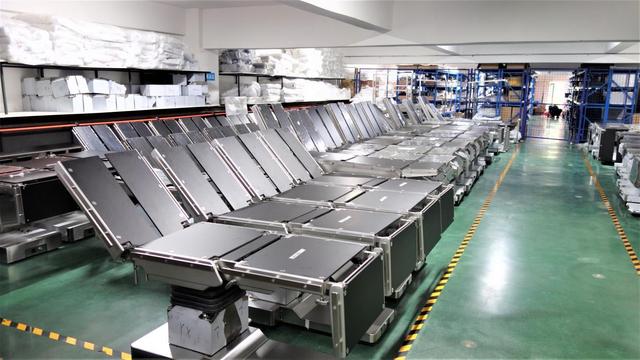
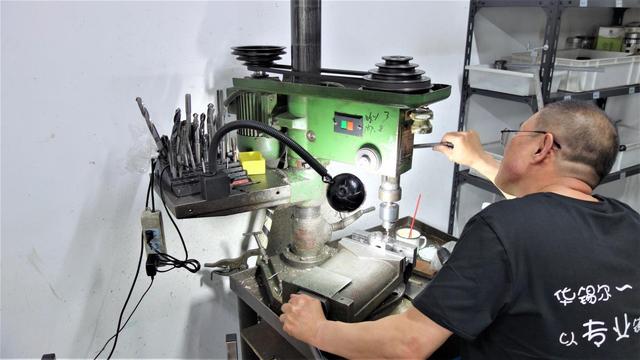
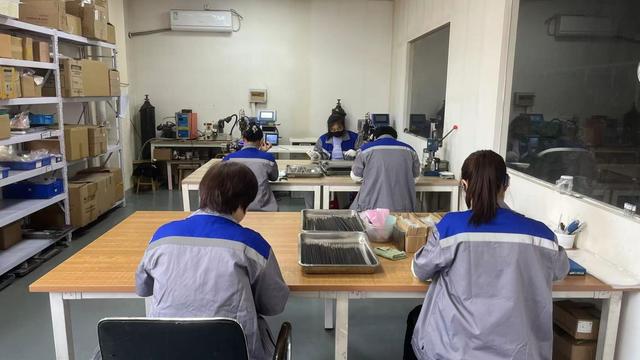

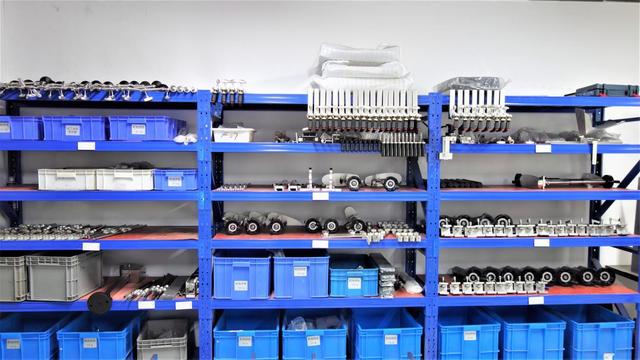

Figures: State-of-the-art ISO Class clean rooms, assembly lines, and testing equipment inside the TC MediGroup facility.
Navigating different national medical device regulatory landscapes requires close cooperation between manufacturer and distributor. We offer comprehensive localized support documents, including Technical Files ready for European CE Mark submissions, FDA Master Files for USA listings, and localized registration documentation for South America and APAC regions.
Our Quality Management System (QMS) ensures that every raw material batch (from biocompatible plastics like PEEK to medical stainless steels) has mill certification and passes cytotoxic, irritation, and sensitization evaluations according to ISO 10993.
Modern hospitals and ambulatory surgical centers (ASCs) implement our platforms across diverse operating theater environments:
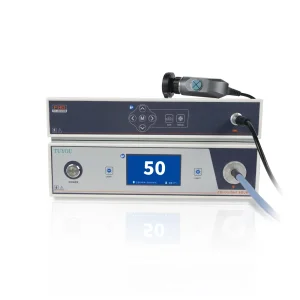
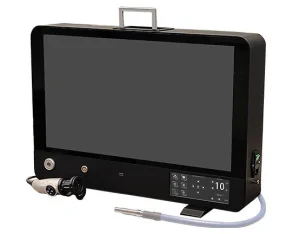
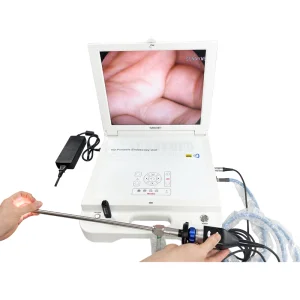
Waterproof FHD cameras (IPX8) combined with flexible and rigid endoscope options facilitate complex diagnostic and surgical interventions with minimal downtime.
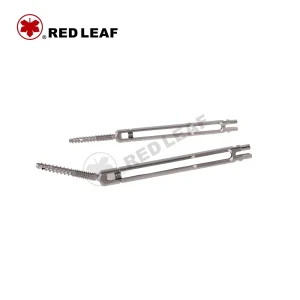
Specifically engineered arthroscopes and percutaneous spine surgery tools allow surgeons to work through portals smaller than 5mm, lowering postoperative complications.
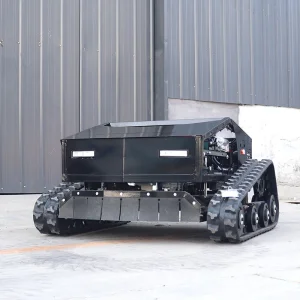
Advanced robotic arm covers and multi-axis mechanical joints support specialized robotic platforms, offering stable barriers and smooth motion transmission.
Our R&D roadmap focuses on merging advanced optical engineering with smart digital imaging to support the next generation of operating rooms.
Pioneering integration of multispectral fluorescent imaging (e.g., indocyanine green - ICG) into standard 4K rigid endoscope platforms to improve real-time vascular and lymphatic mapping.
Optimizing mechanical links, miniature wrist joints, and control cables to integrate with semi-autonomous surgical robot arms, minimizing manual user latency.
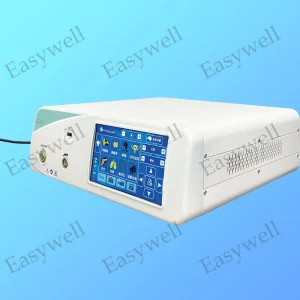
Developing camera control units (CCUs) that utilize edge computing to dynamically adjust illumination, reduce smoke interference, and point out critical anatomical landmarks.
Our optical components and FHD camera assemblies are manufactured in compliance with ISO 13485 regulations. We source high-grade optical glass and utilize multi-layer anti-reflective (AR) coatings to maximize light transmission. This ensures that the optics withstand demanding autoclave cycles without degradation of optical cement or focus drift.
All patient-contact materials, such as our Red Leaf Spine Surgery tools and ultrasonic scalpels, are made from medical-grade SUS316L, titanium alloys, or PEEK. They are subjected to cytotoxicity, sensitization, and intracutaneous reactivity testing under ISO 10993 protocols to guarantee biocompatibility during standard and prolonged exposure times.
Yes, we specialize in high-precision, customized medical-grade polyethylene (PE) drapes and arm covers. We design custom attachment rings, interface plates, and elasticized bands to ensure fitment on specific OEM surgical robot systems while maintaining sterile field integrity.
Depending on the complexity of optical parameters, raw tool designs take approximately 15-30 days. Batch manufacturing, including optical performance testing and final packaging in ISO Class clean rooms, typically ranges between 30 and 45 days after design sign-off.
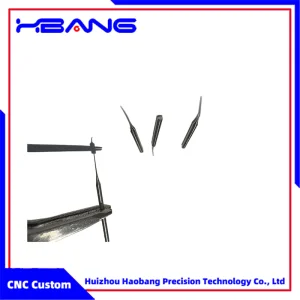
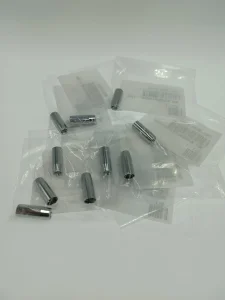
Detailed micro-components, replacement optics, and specialized industrial maintenance systems engineered to high clinical tolerances.
 TC MediGroup