TC MediGroup
1 / 5
| Size | Φ1.0~7mm | Φ8.0~20mm | Φ20.0~40mm | Φ40.0~60mm |
| PV | 0.2um | 0.3um | 0.5um | <1um |
| Eccentricity | <=3um | <=5um | <=5um | <=8um |
| Center Thickness | ±0.015mm | ±0.020mm | ±0.025mm | ±0.050mm |
| Diameter Tolerance | ±0.015mm | ±0.015mm | ±0.015mm | ±0.030mm |
| Surface Quality | 40/20 | |||
| Material | CDGM, NHG, Customer Requirements | |||
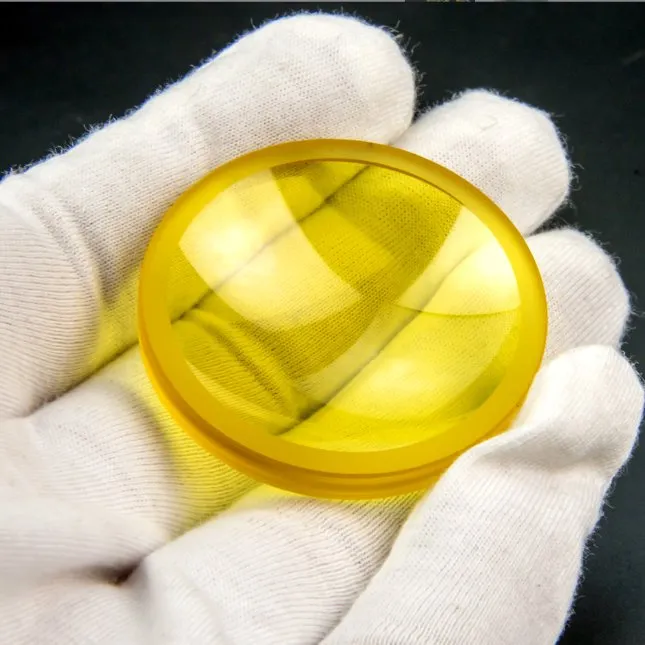
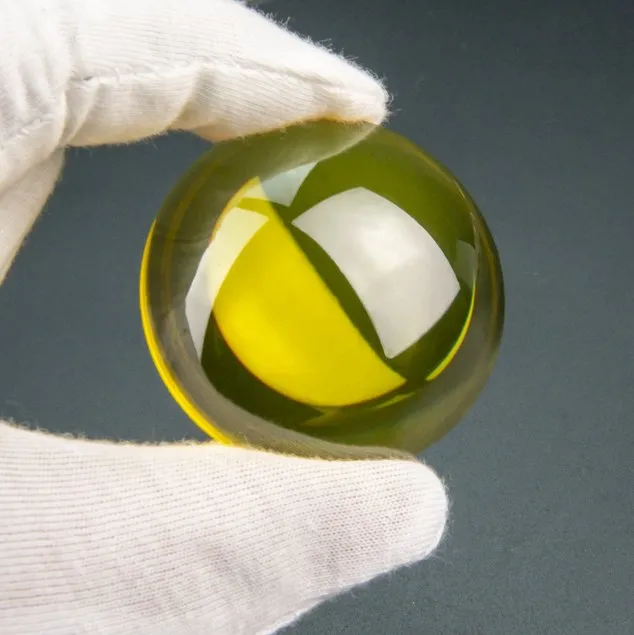
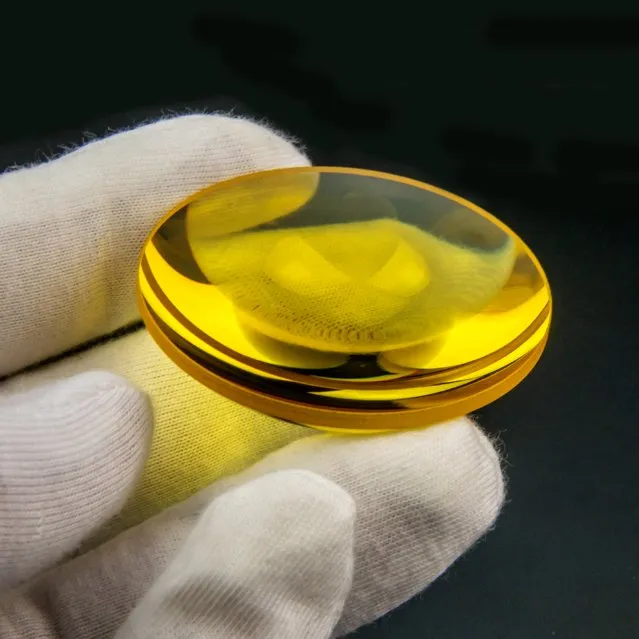
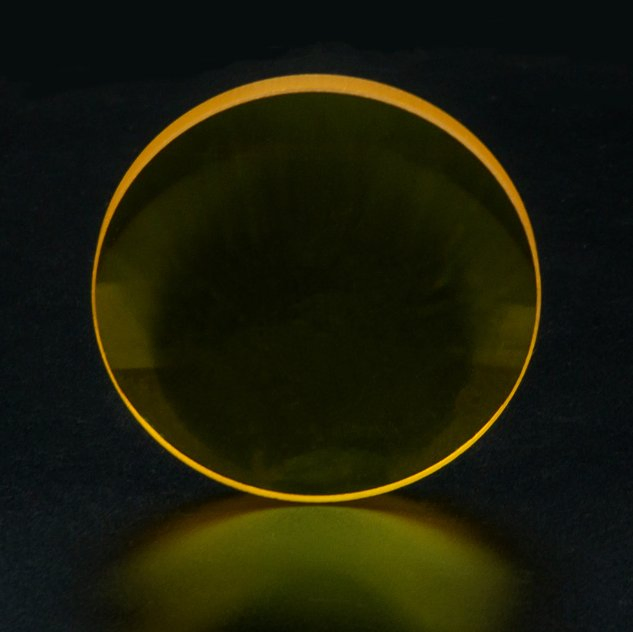
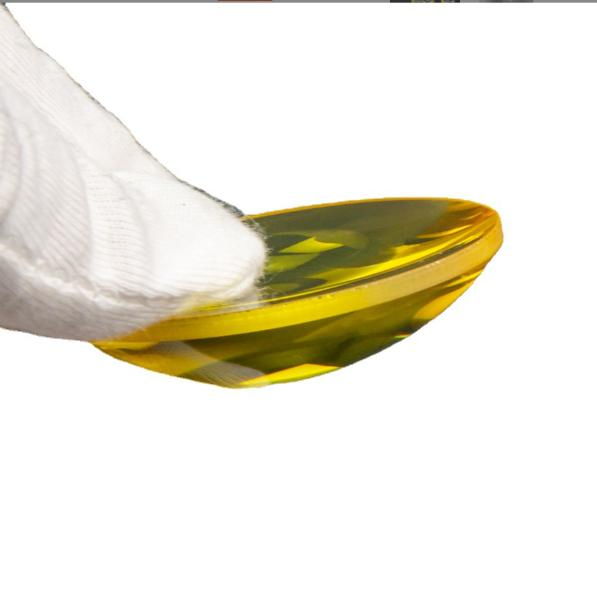
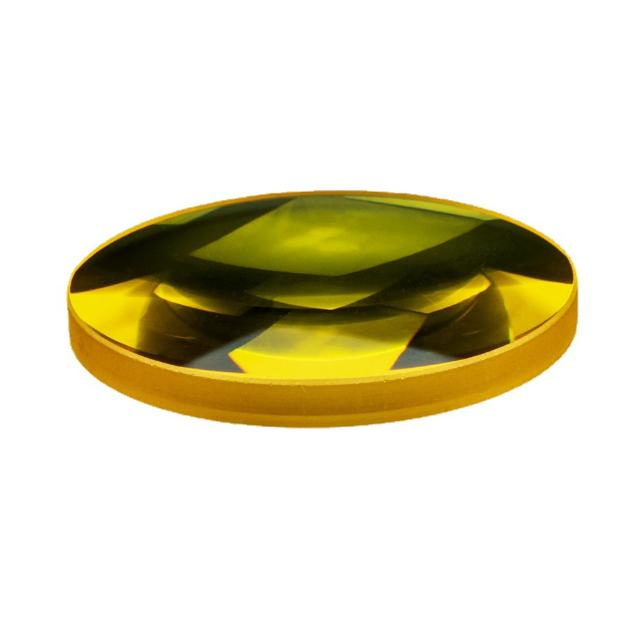
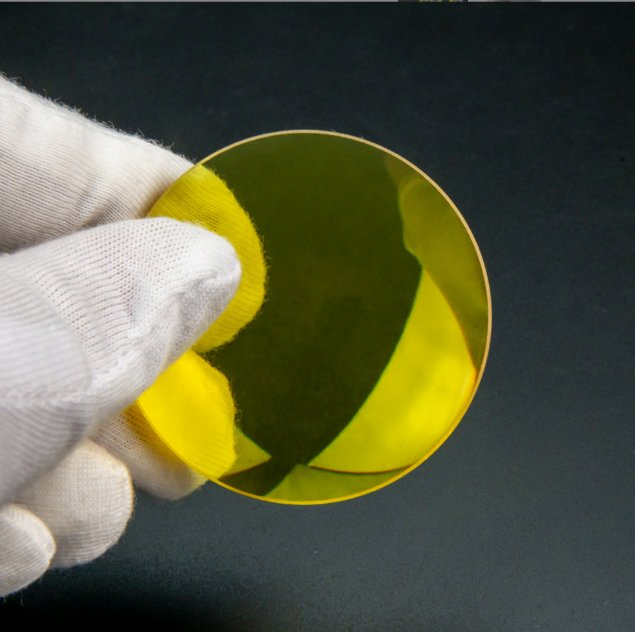
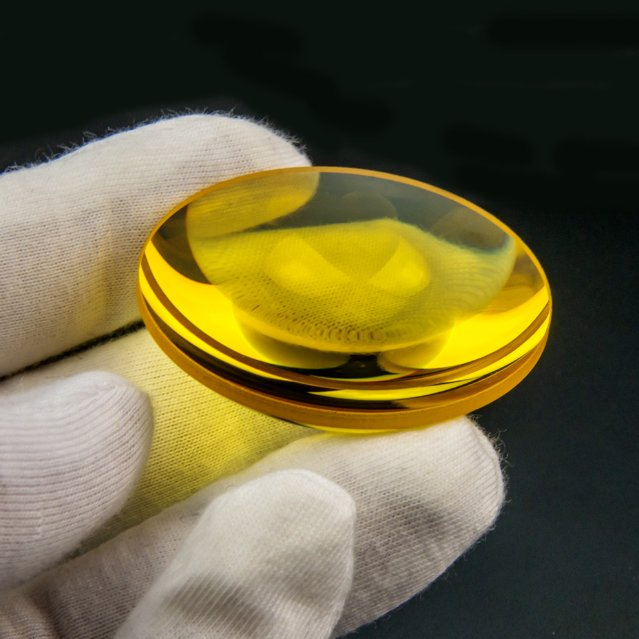
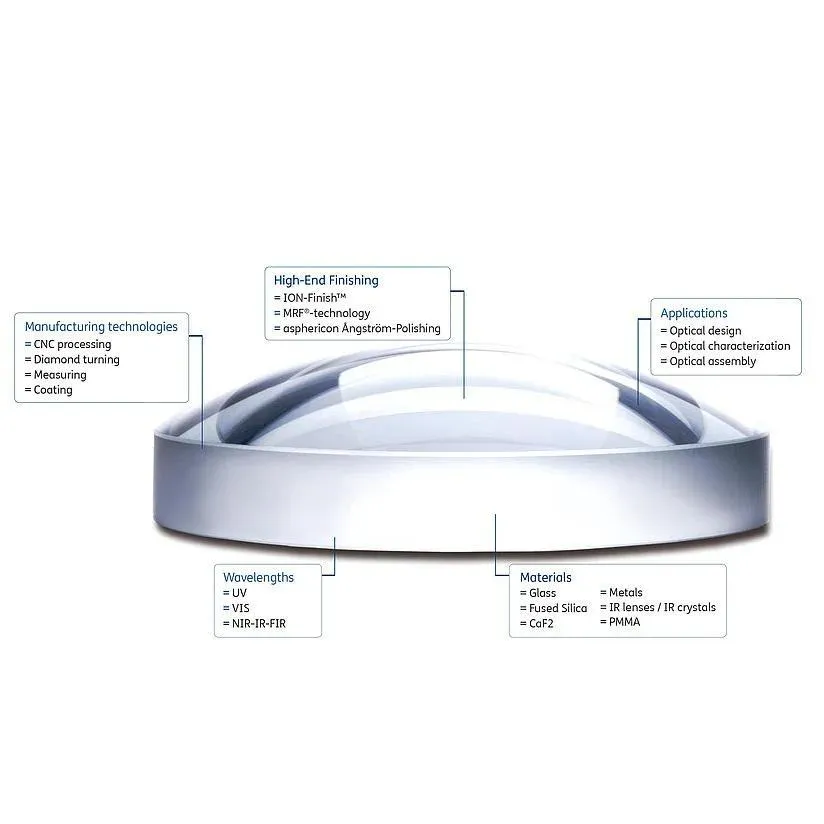
A sphere is defined by a single radius of curvature. Aspheric Lenses have at least one aspherical surface. Optical engineers generally think of aspheric surfaces as rotationally symmetric surfaces where the radius of curvature varies gradually from the center of the lens to the edge.
Surface profiles of aspheric lenses are not a portion of a sphere or cylinder. They offer unique advantages such as improved optical quality, reduced optical components, and lower design costs. They are widely used in digital cameras, CD players, and high-end microscopic instruments.
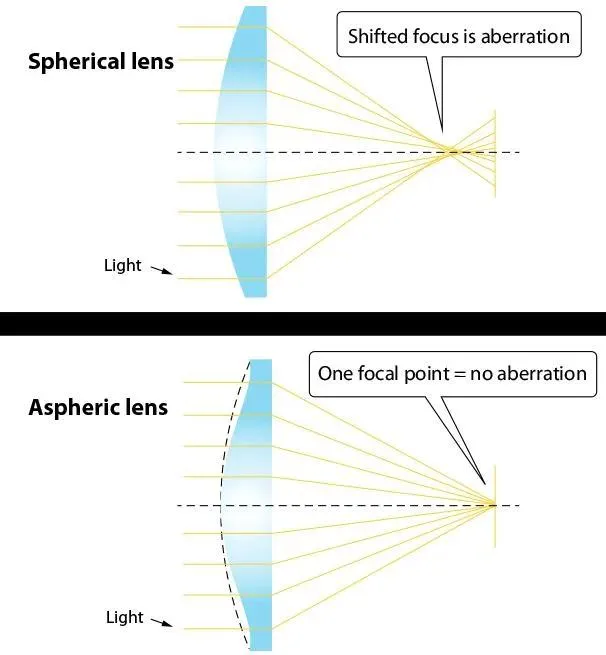
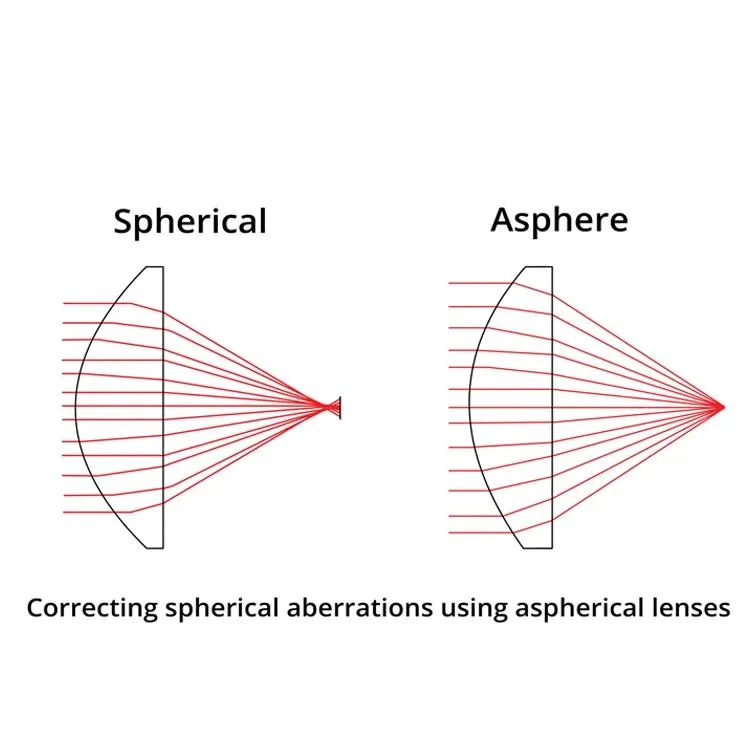
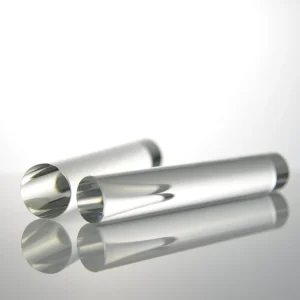
A Cylindrical lens is used to correct astigmatism in optical systems and to produce astigmatism in rangefinders, stretching a point of light into a line. It is commonly utilized in barcode scanners and objective systems.


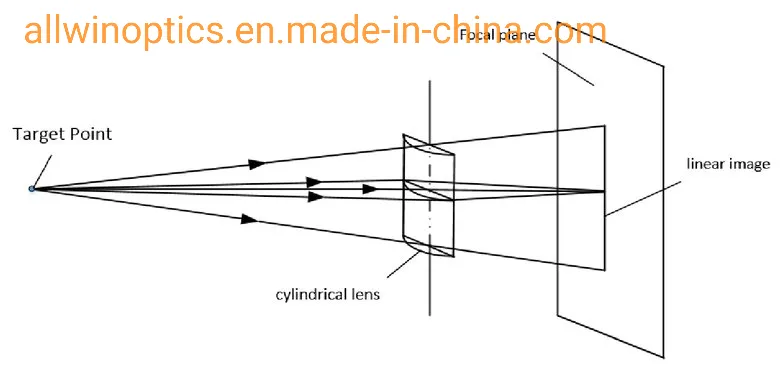
1. Correcting Astigmatism: Used in ophthalmology to correct vision resulting from corneal deformation by overlapping focal points at different axes.
2. Laser Line Scanning: Captures 3D object shapes into digital copies by measuring the deformation of a straight line incident on non-flat surfaces.
3. Laser Scanning Microscopy: Used with acousto-optic deflectors to focus light spots onto the correct plane for high-precision imaging.