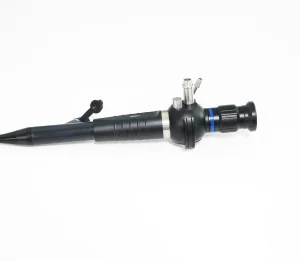
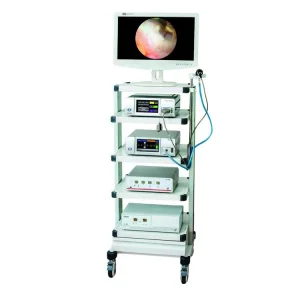
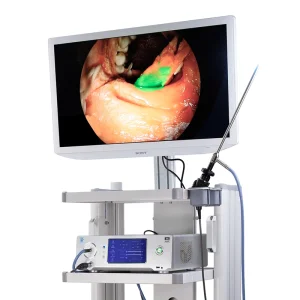
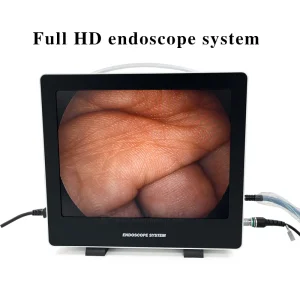
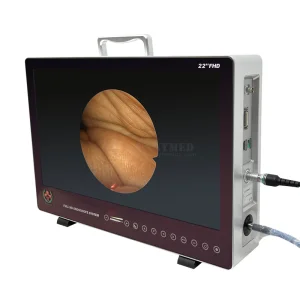
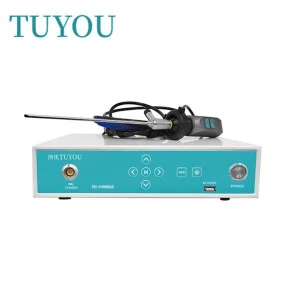
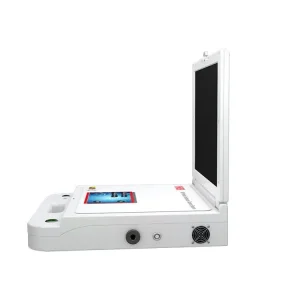
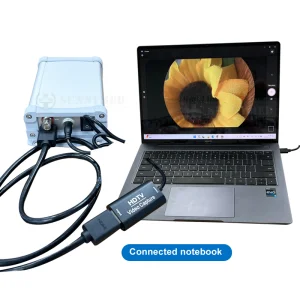
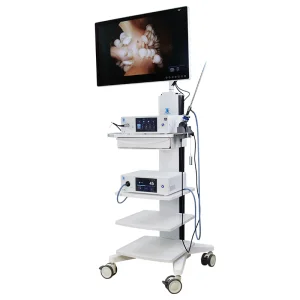
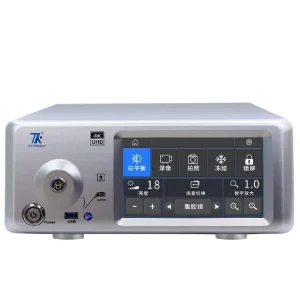
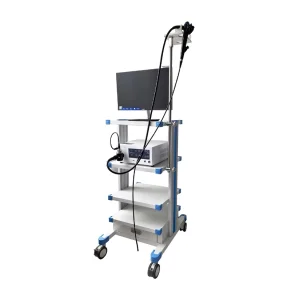
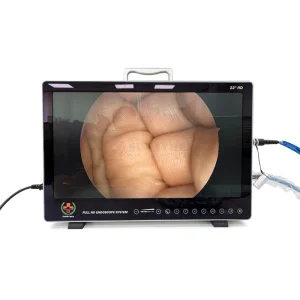
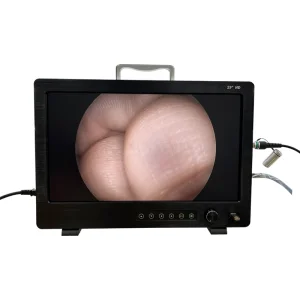
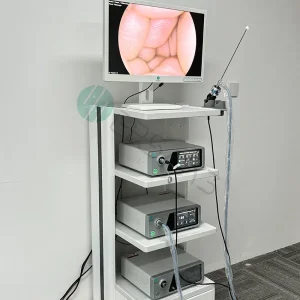
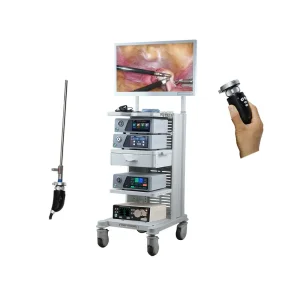
The global Ear, Nose, and Throat (ENT) endoscopic market is currently experiencing a transformative era, driven by the integration of AI-assisted diagnostics and 4K ultra-high-definition imaging. As a critical component of modern surgical suites, ENT endoscope systems have evolved from simple viewing tubes to complex digital workstations that allow surgeons to navigate delicate anatomical structures with sub-millimeter precision. Current market data suggests a steady CAGR growth, fueled by the rising incidence of chronic sinusitis and the global aging population requiring minimally invasive diagnostic procedures.
The demand spans across North America, Europe, and Asia-Pacific, with emerging markets in Latin America and Africa rapidly upgrading from analog to digital HD systems to improve clinical outcomes.
Modern ENT systems now feature integrated LED cold light sources and CMOS sensor technology, reducing the thermal footprint while maximizing color fidelity and depth of field during surgery.
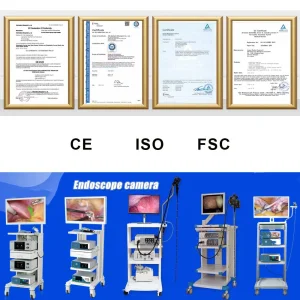
Top-tier suppliers are increasingly aligning with MDR CE and FDA standards, ensuring that instruments like the rigid sinuscope or flexible nasopharyngoscope meet the highest safety profiles.
The future of the ENT endoscopy industry is defined by three major pillars: Portability, Connectivity, and Intelligence. We are moving away from bulky "tower" systems toward integrated, handheld solutions that can be used in both the operating theater and outpatient clinics. Digital connectivity allows for real-time tele-surgery and remote consultation, while AI algorithms are being developed to help identify polyps or lesions in real-time, acting as a "second pair of eyes" for the surgeon.
Automated image enhancement and lesion detection are becoming standard features in top-tier ENT software suites. By analyzing pixel data in real-time, systems can highlight suspicious tissue areas that might be missed by the naked eye.
As pioneered by leaders like TC MediGroup, endoscopic instruments are being designed with robotic compatibility. This allows for tremor-free navigation in the narrow passages of the ear and sinuses, significantly reducing post-operative trauma.
With global pressure on medical waste, the industry is focusing on high-durability autoclavable scopes and modular camera heads that allow hospitals to upgrade sensors without replacing the entire optical chain.
ENT endoscope systems are no longer confined to major city hospitals. Localized application scenarios have expanded significantly:
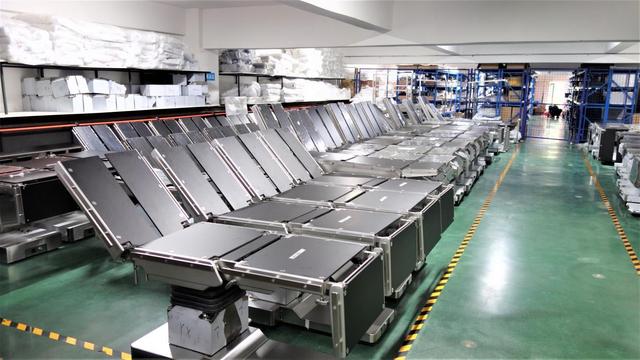
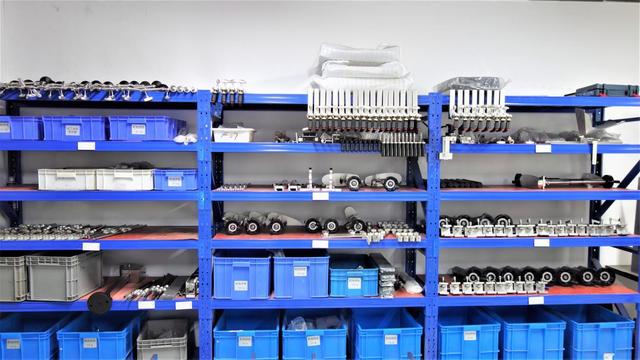
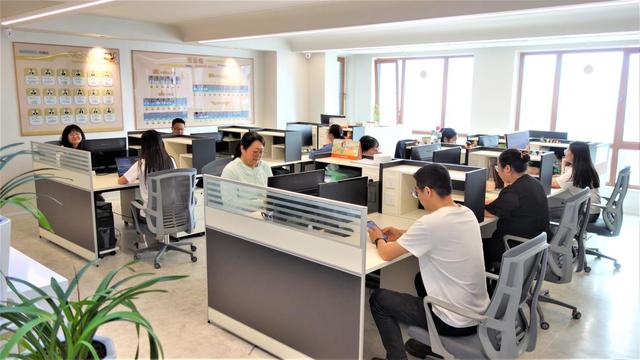
Dongguan TC MediGroup Co., Ltd. stands as a beacon of excellence in the medical manufacturing landscape. Based in China's high-tech industrial hub, we leverage a robust supply chain to offer medical-grade precision at a competitive global price point.
Our advantages include:
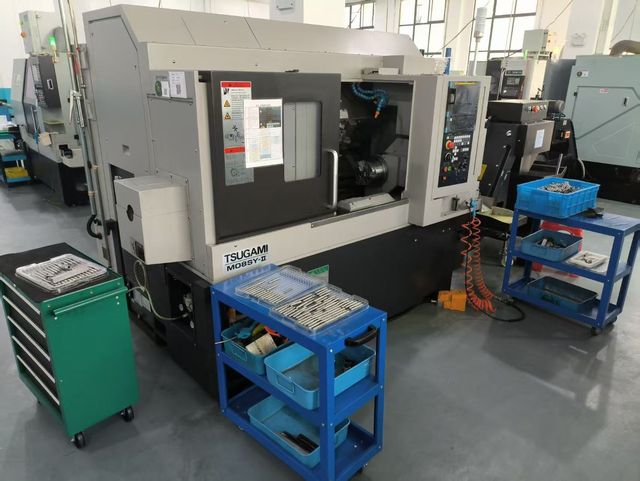
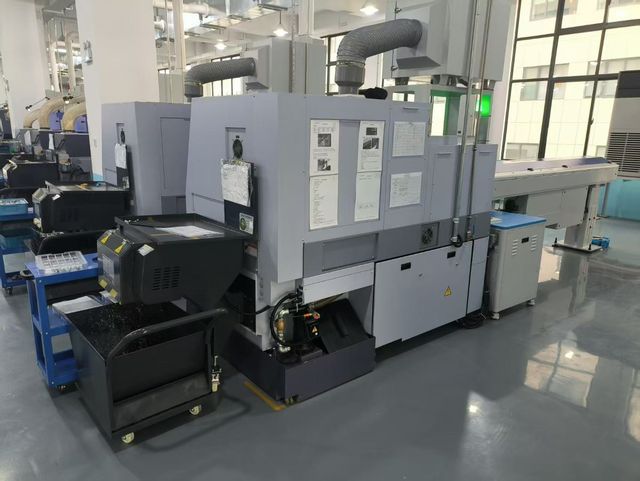
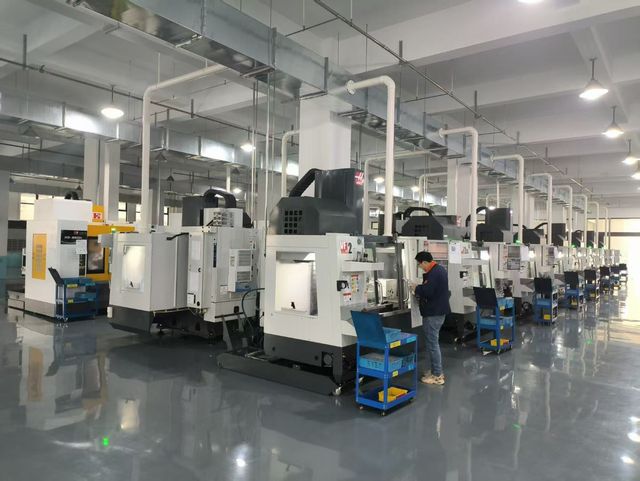
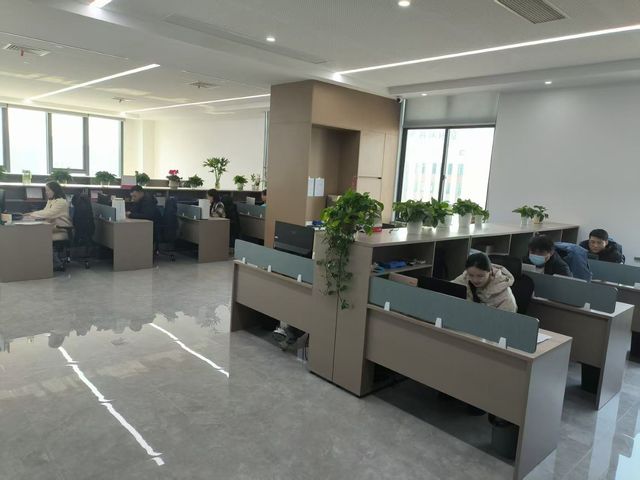
Dongguan TC MediGroup Co., Ltd. is a professional manufacturer specializing in surgical robot instruments and minimally invasive surgical solutions, serving advanced healthcare institutions worldwide. The company focuses on delivering high-precision, reliable, and innovative medical devices designed to support modern robotic-assisted surgeries and improve clinical outcomes.
TC MediGroup provides a comprehensive range of solutions, including robotic surgical instruments, minimally invasive surgical toolsets, endoscopic-compatible components, precision micro-surgical parts, and advanced operating system accessories. These products are engineered to enhance surgical accuracy, reduce patient trauma, and support faster recovery in complex medical procedures.
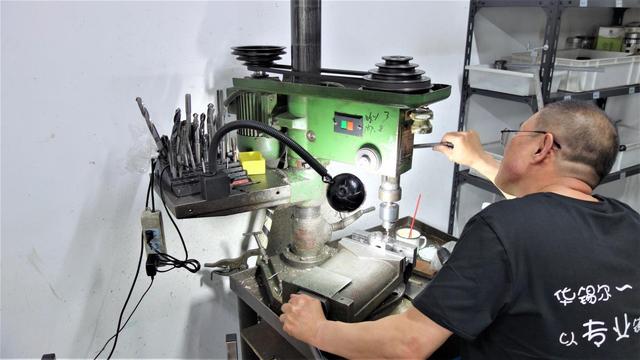
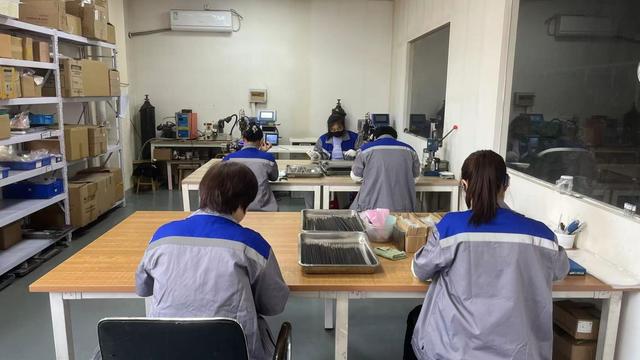
Backed by strong R&D capabilities and advanced manufacturing technology, Dongguan TC MediGroup integrates precision engineering, ergonomic design, and high-performance materials into every product. The company maintains strict quality control standards and complies with international medical regulations to ensure safety, durability, and consistent performance.
With a commitment to innovation and global healthcare advancement, TC MediGroup offers flexible OEM/ODM services tailored to diverse clinical requirements. Through continuous technological development and customer-focused solutions, the company aims to support hospitals and surgical centers worldwide in upgrading to next-generation robotic and minimally invasive surgical systems.
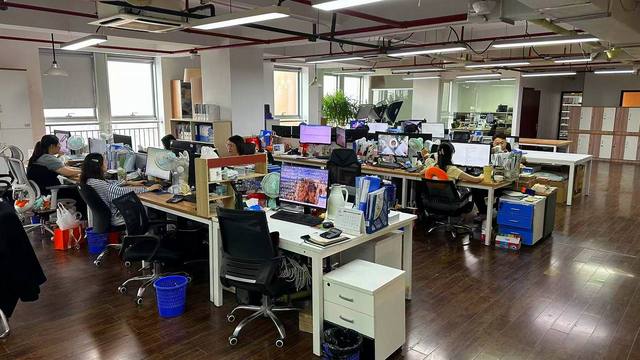
Modern medical equipment buyers—including hospital administrators, government health departments, and private surgical centers—have evolved their procurement criteria. It is no longer just about the price of the scope; it is about the Total Cost of Ownership (TCO) and Clinical Reliability.
 TC MediGroup