How to Understand the Future of Minimally Invasive Surgery?

Time:2026-06-24 Author:Charlotte
0%

The future of minimally invasive surgery is a dynamic and evolving field. Experts like Dr. Patrick L. McGowan, a pioneer in surgical techniques, share insights that shape our understanding. He stated, "The future lies in precision and patient-centered care, making surgery safer and recovery faster." But what is the future of minimally invasive surgery?

As technology progresses, procedures become less invasive. Innovations such as robotic-assisted surgeries enhance precision. This minimizes recovery time and reduces complications. However, questions remain. Are we fully ready for these advancements?

Minimally invasive techniques also raise issues in training and accessibility. Ensuring that all surgeons possess the necessary skills is essential. We must consider patient safety and disparities in access to care. This complexity shows that while the future is promising, it demands continuous reflection and adaptation.
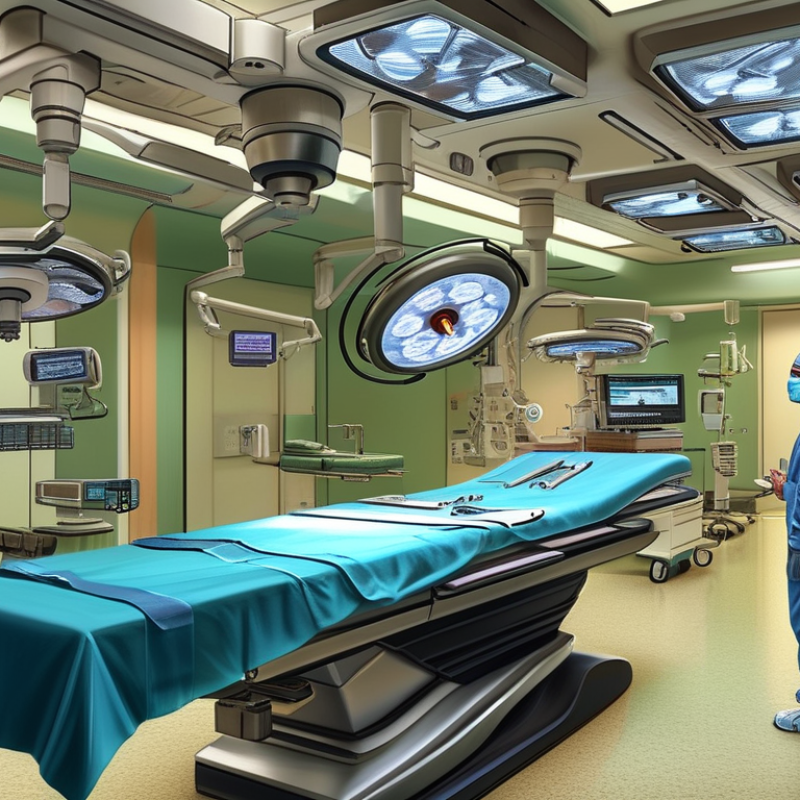
How to Understand the Future of Minimally Invasive Surgery?

Defining Minimally Invasive Surgery and Its Key Characteristics

Minimally invasive surgery (MIS) is an advanced surgical approach that minimizes trauma to the body. It uses small incisions instead of large cuts. This technique offers numerous benefits, including reduced pain, quicker recovery times, and shorter hospital stays. Key characteristics of MIS include the use of specialized instruments and imaging technologies. Surgeons can visualize and navigate inside the body with high precision.

To truly grasp the essence of minimally invasive surgery, one must understand its visual and technical aspects. Surgeons often use cameras and robotic systems to perform procedures with enhanced control. This leads to a more efficient surgery process. However, not all patients benefit from MIS. In certain cases, traditional surgery may be more appropriate. For example, complex conditions may require larger incisions for better access.

Tip: Patients should discuss all options with their surgeons. Communication is key in understanding the best approach for individual cases. It's essential to consider the surgeon's experience with MIS techniques. A well-informed patient can make a more confident decision regarding their treatment plan. Remember, each surgical option comes with its own set of risks and benefits. Being aware can lead to better outcomes.

Evolution and Historical Milestones of Minimally Invasive Techniques

Minimally invasive surgery (MIS) has transformed the medical landscape over the past few decades. Historical milestones reflect its evolution. In the 1980s, laparoscopic techniques began gaining traction. Surgeons adopted smaller incisions, reducing recovery time. Patients experienced less pain and scarring. This shift was a game-changer in surgical practices.

As technology advanced, robotic systems entered the scene. These innovations further improved precision and control for surgeons. However, training becomes critical. Many surgeons must adapt their skills to harness these tools effectively. Not all surgeons are comfortable with robotic-assisted procedures. This discrepancy can lead to varied patient outcomes.

Furthermore, not all aspects of MIS are flawless. Complications can arise, and not every patient qualifies for these procedures. It's vital for healthcare providers to evaluate risks properly. Some patients may still prefer traditional surgeries. The decision must be personalized, weighing the pros and cons of each technique. As we look to the future, emphasizing proper training and patient safety remains paramount.

Evolution of Minimally Invasive Surgery Techniques

This chart illustrates the evolution of various minimally invasive surgery techniques over the past four decades, highlighting significant milestones and their adoption rates in surgical practice.

Current Technologies and Tools Revolutionizing Minimally Invasive Surgery

Minimally invasive surgery (MIS) is transforming the medical field. Advanced technologies are reshaping traditional surgical practices. Innovations like robotic-assisted systems enhance precision in procedures. These tools reduce recovery time and minimize patient discomfort. Surgeons can perform complex operations through small incisions, leading to faster healing.

A significant advancement is the development of imaging technologies. Enhanced visualization techniques allow surgeons to navigate anatomy with precision. 3D imaging provides a clear view of the surgical site. It improves decision-making and reduces risks during operations. Surgeons must adapt to these technologies, incorporating new skills into their practice.

Tips: Embracing continuous education is vital. Attend workshops on the latest tools. Collaborate with tech experts to understand new software. Evaluate your techniques regularly. Reflection supports growth and effectiveness in surgery. Stay updated on industry trends to maintain relevance. Understanding the evolution of MIS technology is key to providing the best patient care.

Future Trends and Innovations in Minimally Invasive Surgical Practices

Minimally invasive surgery (MIS) is evolving rapidly, driven by technological advancements and the need for enhanced patient outcomes. Current data suggests that the minimally invasive surgical market is projected to reach $9.6 billion by 2025, growing at a compound annual growth rate (CAGR) of 5.3% during the forecast period. This trend reflects the increasing preference among patients for procedures that reduce recovery times and postoperative pain.

Innovations such as robotic-assisted surgery and enhanced imaging techniques are redefining surgical capabilities. For example, robotic systems allow surgeons to perform intricate operations with precision. A study by the American College of Surgeons revealed that these systems can reduce hospital stays by 1.5 days on average. However, not all healthcare facilities have adopted these technologies, leading to disparities in access to high-quality care. This inconsistency can lead to frustration among patients who seek the latest treatments but are limited by their location.

Despite the undeniable progress, challenges remain. The high cost of advanced surgical equipment can be a barrier for adoption in some institutions. Additionally, there is a growing need for specialized training among surgeons. Ongoing education is essential to ensure they can effectively integrate innovations into their practices. As MIS continues to grow, addressing these issues will be crucial in shaping a more equitable future in surgical care.

Challenges and Limitations Facing the Future of Minimally Invasive Surgery

Minimally invasive surgery (MIS) is revolutionizing the medical field. However, it faces notable challenges. One major hurdle is the steep learning curve for practitioners. Surgeons need extensive training in new techniques and technology. This process can be time-consuming and stressful. Moreover, many traditional surgeons may hesitate to adopt these innovative methods. The fear of complications can lead to resistance.

Another limitation is the high cost of equipment. Advanced tools are often necessary for MIS. Not all hospitals can afford these investments. This creates disparities in access to state-of-the-art surgery. Patients in underfunded facilities may not receive optimal care. They end up relying on traditional procedures, which can mean longer recovery times.

Tips: Consider continuing education courses. They can enhance skills in minimally invasive techniques. Surgeons should also seek mentorship from experienced professionals. Engaging in a network can help. Collaboration may bring innovative solutions to overcome equipment costs. Sharing resources could improve access to modern surgical tools.

FAQS

: What is minimally invasive surgery (MIS)?

: MIS is a surgical approach that minimizes trauma to the body using small incisions.

What are the benefits of MIS?

It offers reduced pain, quicker recovery times, and shorter hospital stays for patients.

How do surgeons perform MIS?

Surgeons use specialized instruments and imaging technologies for enhanced precision during procedures.

Who may not benefit from MIS?

Some patients with complex conditions may require traditional surgery with larger incisions for better access.

What challenges do surgeons face with MIS?

Surgeons need extensive training, and some may be hesitant due to fears of complications.

Why is equipment cost a concern in MIS?

Advanced tools are often expensive, making it difficult for all hospitals to provide MIS options.

How can surgeons improve their skills in MIS?

Continuing education courses and mentorship from experienced professionals can enhance their skills.

What happens if a patient is treated in an underfunded facility?

They may not receive the best care and could end up undergoing traditional procedures instead.

What should patients discuss with their surgeons?

Patients should talk about all options available and the surgeon's experience with MIS techniques.

How does technology impact MIS?

Innovations like robotic systems improve precision but require surgeons to adapt their skills effectively.

Conclusion

Minimally invasive surgery (MIS) has transformed the landscape of surgical practices, characterized by reduced patient recovery times and minimized trauma compared to traditional methods. Understanding what is the future of minimally invasive surgery involves exploring its evolution from basic techniques to sophisticated, state-of-the-art procedures, as well as the current technologies that are reshaping the field. Advancements such as robotic systems, enhanced imaging, and innovative surgical tools are paving the way for more precise and effective interventions.

Looking ahead, future trends point towards greater integration of artificial intelligence and data analytics, which could further optimize surgical outcomes. However, there are challenges and limitations, including the need for specialized training and concerns regarding long-term effectiveness. As the field progresses, addressing these obstacles will be essential for unlocking the full potential of minimally invasive surgery and ensuring its continued evolution.

Charlotte

Charlotte

Charlotte is a seasoned marketing professional with a deep understanding of the company's portfolio and a passion for elevating its presence in the market. With a keen eye for detail and a commitment to excellence, she ensures that our professional blog is regularly updated with insightful articles......