Modern surgical systems have undergone a significant transformation thanks to rapid advancements in technology. Understanding what technologies are used in modern surgical systems is crucial for healthcare professionals and patients alike. A report from the MarketsandMarkets indicates that the global surgical robots market is projected to reach $20 billion by 2025, highlighting the growing reliance on robotic assistance in operating rooms.
Advanced imaging techniques like 3D visualization and augmented reality have enriched surgical precision. Technologies such as minimally invasive surgery tools have reduced patient recovery times significantly. According to a study published in the Journal of the American College of Surgeons, these innovations can cut recovery time by up to 50%. However, the adaptation of these technologies raises questions regarding training and expertise.
While modern surgical systems promise better outcomes, not all facilities are equally equipped. The gap between high-tech institutions and smaller clinics can lead to disparities in patient care. As surgery continues to evolve, ongoing education and resources for surgical teams are essential to harness these advancements effectively.
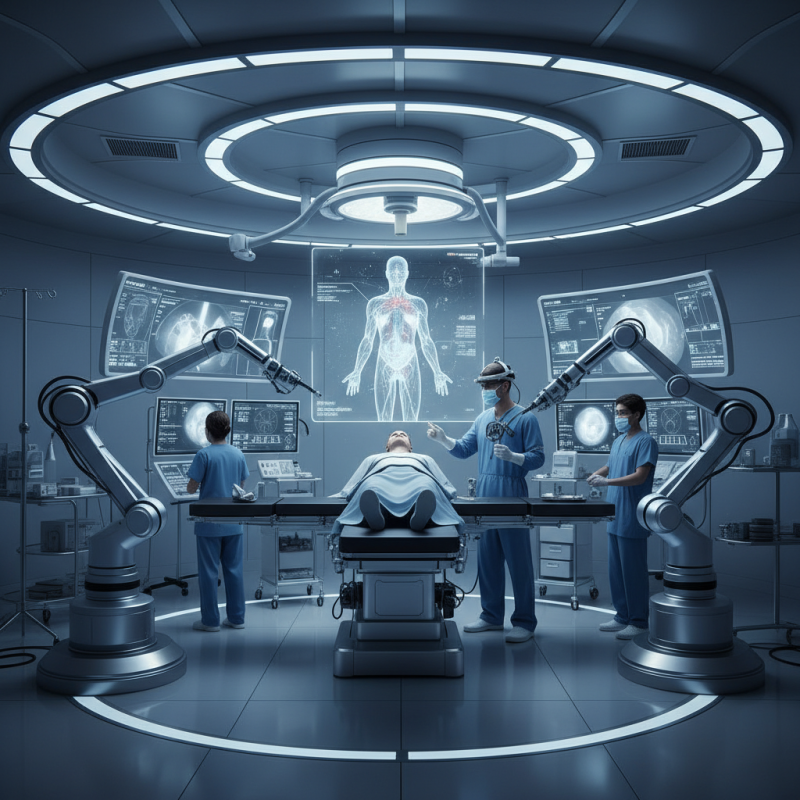
Modern surgical systems are vital for enhancing patient safety and operational efficiency. They integrate advanced technologies to provide precision and accuracy in surgeries. The use of robotics in the operating room, for example, allows surgeons to perform minimally invasive procedures with enhanced dexterity. This reduces recovery time and minimizes complications.
Another crucial aspect is imaging technology. High-definition imaging gives surgeons real-time insights during operations. It helps in visualizing complex anatomical structures in detail. Without this technology, many surgeries would be significantly riskier. Yet, reliance on technology can lead to overconfidence, neglecting the surgeon's expertise in critical moments.
Furthermore, data analytics play a significant role in predictive outcomes. By analyzing past surgeries, trends can be identified. This can lead to better planning and patient care. However, data interpretation requires human oversight. Misinterpretations could lead to wrong conclusions. Thus, while modern surgical systems offer numerous benefits, a thoughtful approach is essential.
Robotic surgery has transformed the landscape of modern medicine. Surgeons now possess unprecedented precision and control during procedures. These advanced systems integrate high-definition cameras and instruments that move with unparalleled dexterity. This technology allows for smaller incisions, leading to reduced recovery times and less post-operative pain.
However, the reliance on robotic systems might raise concerns. There is a learning curve for surgeons transitioning to this method. Not every surgeon may have extensive training in robotic techniques, which can impact outcomes. Developing a robust training program is vital. Surgeons must also remain vigilant, as technical malfunctions can occur.
The future of robotic surgery is promising, but it necessitates ongoing evaluation. Trust in these systems is paramount, as is the need for constant innovation. A balance between human expertise and robotic assistance will ultimately define surgical excellence. Challenges will remain, but the potential benefits are significant.
| Technology | Description | Benefits | Challenges |
|---|---|---|---|
| Robotic Surgery | Utilizes robotic systems to enhance precision in surgical procedures. | Increased accuracy, reduced recovery time, minimal invasiveness. | High costs, risk of technical failure. |
| 3D Imaging | Provides three-dimensional views of the surgical site. | Enhanced visibility, better surgical planning. | Requires advanced training, potential for misinterpretation. |
| Minimally Invasive Techniques | Surgical techniques that reduce the size of incisions. | Less pain, quicker recovery, shorter hospital stays. | Limited scope for some procedures, longer surgery times. |
| Augmented Reality (AR) | Overlaying digital information onto the surgical field. | Improves decision-making, guides precision. | High-tech requirements, variable reliability. |
| Telemedicine | Provides remote consultations and pre-operative assessments. | Increased access to care, reduced travel burden. | Requires reliable internet, may lack personal touch. |
Minimally invasive techniques have transformed modern surgery. These innovations allow for smaller incisions, reducing recovery time and improving patient outcomes. Surgeons often use specialized instruments that provide enhanced precision. For example, robotic systems facilitate complex procedures while minimizing tissue damage. This technology brings both advantages and challenges.
Surgeons must maintain a high level of skill to operate these systems effectively. The reliance on technology can sometimes create a disconnect between the surgeon and the procedure. Training programs must adapt to ensure surgeons become proficient with these advanced tools. There is always room for improvement, especially in understanding when to implement traditional methods versus new technologies.
Patient safety remains paramount. Innovations must undergo rigorous testing to confirm their effectiveness. While many minimally invasive approaches seem promising, not all yield the same results. Continuous feedback from surgical teams is essential. This helps refine techniques and increase their reliability in the operating room. Embracing change while questioning its impact is vital in this evolving field.
Advancements in imaging technologies are transforming how surgeries are performed. Surgeons rely on high-definition imaging systems for better visualization. These systems provide real-time feedback, making procedures more precise. Enhanced imaging enables surgeons to see intricate anatomical details. This clarity can significantly reduce risks during complex surgeries.
One notable technique is 3D imaging, which offers a comprehensive view of the surgical site. Surgeons can navigate through tissues more effectively. However, the integration of these technologies can pose challenges. Not every surgical team may have equal access to the latest tools. Training on new systems is essential but can be time-consuming.
Moreover, the reliance on technology can sometimes lead to overconfidence. Surgeons may rely too heavily on imaging, potentially ignoring their instincts or experience. Balancing technology with traditional skills is crucial. Each technology brings its own set of limitations and requires careful consideration. While imaging advancements enhance surgical outcomes, they also invite reflection on how to maintain a holistic approach to patient care.
Artificial intelligence (AI) and data analytics are revolutionizing surgical planning and patient outcomes. Surgeons now rely on AI algorithms to analyze vast amounts of patient data. This helps in predicting potential complications and tailoring procedures. The use of machine learning can identify patterns that human analysis might overlook, allowing for a more personalized surgical approach.
Data analytics plays a crucial role in post-operative assessment. By analyzing surgical outcomes, hospitals can refine techniques and improve patient care. This process is not without challenges. Data privacy concerns and the need for high-quality data are significant hurdles. Surgeons must also adapt to new technologies, which can be daunting for some.
The integration of AI must be done with caution. While these tools offer great potential, they are not infallible. Over-reliance on technology can create blind spots. It’s essential to maintain a balance between human expertise and technological support. Continuous training and evaluation of these systems will ensure that the advancements serve the best interests of patients.
: They enhance patient safety by integrating advanced technologies for precision and accuracy during surgeries.
Robotics allows for minimally invasive surgeries with greater dexterity, reducing recovery time and complications.
High-definition imaging provides real-time insights, helping surgeons visualize complex structures during operations.
Overconfidence may develop, potentially neglecting the surgeon's expertise in critical situations.
It helps predict outcomes by analyzing past surgery trends, improving planning and patient care effectiveness.
There is a learning curve, and not all surgeons may have sufficient training in robotic techniques.
Developing robust training programs is vital for ensuring surgical outcomes and surgeon preparedness.
Trust is crucial, as constant evaluation and innovation determine the success of robotic surgery.
Yes, technical malfunctions can occur, making it important for surgeons to remain vigilant during procedures.
It's promising, yet demands a balance between human expertise and technological assistance for surgical excellence.
Modern surgical systems have evolved significantly, integrating various advanced technologies to improve patient outcomes and operational efficiency. Central to these systems is robotic surgery, which enhances precision and control during procedures, allowing surgeons to perform complex tasks with greater accuracy. Additionally, minimally invasive techniques have been optimized through technological innovations, reducing recovery time and minimizing patient trauma.
Another critical aspect of modern surgical systems is the advancement in imaging technologies, which provide enhanced visualization during surgery, aiding surgeons in making informed decisions. Furthermore, the use of artificial intelligence and data analytics has transformed surgical planning and assessment of outcomes, enabling personalized treatment approaches. This comprehensive overview underscores the answer to the question: what technologies are used in modern surgical systems, highlighting the synergy between robotics, minimally invasive methods, imaging, and AI in revolutionizing surgical practices.

TC MediGroup