Surgical instruments play a vital role in modern medicine. Understanding what materials are used in surgical instruments is crucial for ensuring patient safety and instrument performance. Various materials provide unique benefits such as corrosion resistance, strength, and biocompatibility.
Stainless steel is widely preferred for its durability and ease of sterilization. However, some instruments are made from titanium due to its lightweight nature and strength. Other materials like ceramics and polymers also serve specific functions. Each material significantly influences the performance, lifespan, and safety of surgical tools.
Choosing the right material is not always straightforward. Manufacturers face challenges in balancing cost, durability, and functionality. Each option has advantages and limitations. It's essential for global buyers to remain informed about emerging materials and technologies in this field. The right insight helps in making well-informed purchasing decisions, ultimately leading to better surgical outcomes. Understanding these elements can enhance the overall quality of surgical care.
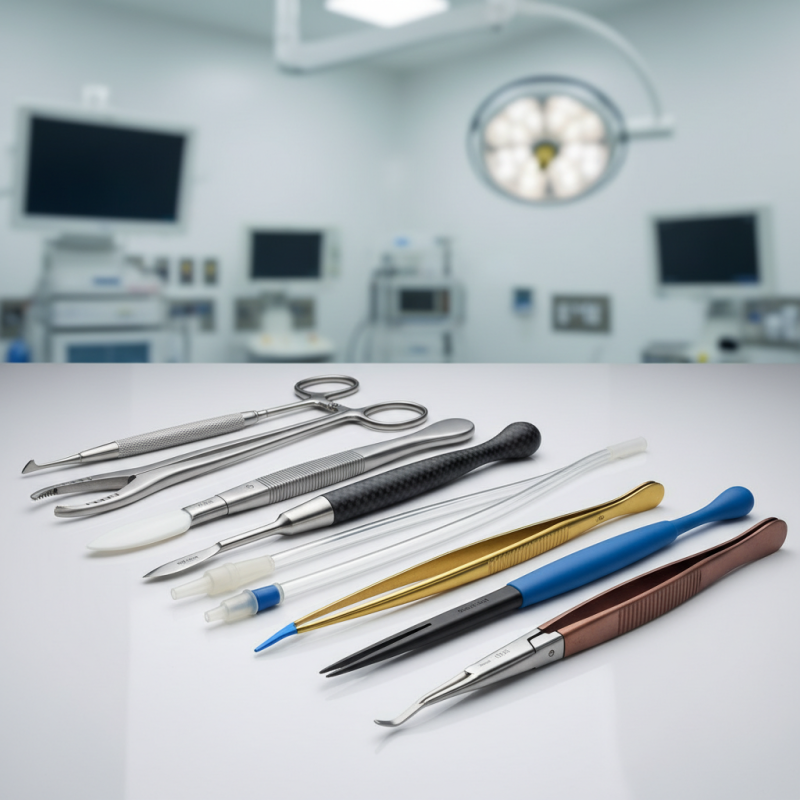
Types of Surgical Instruments and Their Common Applications
Surgical instruments are essential in modern medicine. Different types serve diverse purposes in surgical applications. Common instruments include scalpels, scissors, and forceps. Each plays a unique role in patient care.
According to industry reports, the global surgical instruments market is projected to reach over $23 billion by 2030. This growth reflects the increasing demand for advanced surgical procedures. For instance, surgical scissors are crucial for cutting tissues accurately. The precision they offer can reduce recovery times.
Despite technological advancements, challenges exist. For example, sterilization of instruments remains vital to prevent infections. Yet, many facilities struggle with maintaining proper protocols. As the demand for minimally invasive surgeries rises, the complexity of instruments grows. This poses a need for continuous training among medical professionals. The evolving landscape of surgical tools is a mix of innovation and ongoing challenges.
Top 10 Materials Used in Surgical Instruments
This chart illustrates the top 10 materials commonly used in surgical instruments, along with their usage frequency. Stainless steel dominates the market due to its durability and corrosion resistance, while other materials like titanium and carbon fiber are also significant for specific applications in modern surgical procedures.
Key Properties of Materials Used in Surgical Instruments
When it comes to surgical instruments, the choice of materials is crucial. Stainless steel remains a popular option due to its durability and resistance to corrosion. Its ability to withstand sterilization processes is vital in a surgical setting. However, some may question whether it is the best choice for all instruments. Alternatives like titanium offer lighter weights and enhanced biocompatibility. Yet, titanium can be more expensive and harder to machine.
Plastics, such as polycarbonate and polypropylene, are increasingly used for disposable instruments. They are lightweight and cost-effective, but are not as durable as metals. This can lead to issues if the instruments fail during a procedure. However, the low cost may justify their use. Glass is another option. It is chemically inert and easy to sterilize, but its fragility raises concerns in high-pressure situations.
Each material has its strengths and weaknesses. Steel works well, but can rust if not maintained properly. Titanium is strong, but often comes with a higher price tag. The choice of material affects both the performance of the instrument and the overall cost of surgical procedures. Manufacturers must continually evaluate their options to ensure reliability in critical environments.
Top 10 Materials Used in Surgical Instruments for Global Buyers
| Material |
Key Properties |
Common Uses |
Biocompatibility |
| Stainless Steel |
Corrosion resistance, strength |
Scalpels, scissors |
Good |
| Titanium |
Lightweight, high strength |
Implants, fixation devices |
Excellent |
| Carbon Fiber |
High tensile strength, lightweight |
Specialized instruments |
Good |
| Aluminum |
Corrosion resistance, lightweight |
Trays, supporting structures |
Moderate |
| Ceramics |
Hard, resistant to wear |
Dental tools, surgical drills |
Excellent |
| Silicone |
Flexibility, durability |
Catheters, drapes |
Excellent |
| Polypropylene |
Lightweight, chemical resistance |
Tubes, containers |
Good |
| Polycarbonate |
Impact resistance, transparency |
Surgical guides, housings |
Moderate |
| Graphene |
Exceptional strength, conductivity |
Future applications |
Research ongoing |
Overview of Surgical Steel and Its Benefits in Instrumentation
Surgical steel plays a pivotal role in the manufacturing of surgical instruments. This material is renowned for its
corrosion resistance and durability. As noted in a recent industry report,
over 70% of surgical instruments are made from surgical-grade stainless steel.
This high utilization highlights its importance in the medical field.
The properties of surgical steel include high tensile strength and
biocompatibility, making it suitable for various surgical applications. According to the
American Society for Testing and Materials, surgical steel typically contains chromium and nickel.
These elements enhance its resistance to tarnishing and rust, ensuring longevity. Instruments made from surgical steel
can withstand repeated sterilization without compromising performance.
Despite its advantages, there are challenges in the surgical steel domain. Variability in the composition can lead
to inconsistencies in quality. Moreover, while surgical steel is robust, it can be prone to stress cracking
under certain conditions. This reminds us that ongoing research and
testing are essential to improve material formulations and ensure safety in surgical environments.
Exploring Titanium: A Lightweight Alternative for Surgical Tools
In the realm of surgical instruments, material selection plays a crucial role. Titanium has emerged as a lightweight alternative that offers unique advantages. Its impressive strength-to-weight ratio is ideal for various surgical tools. Surgeons can maneuver instruments with ease, reducing fatigue during lengthy procedures. This is vital to maintaining precision and efficiency in surgery.
Using titanium also minimizes corrosion and improves longevity. This durability ensures that instruments remain sharp and functional over time. However, it is essential to note that titanium can be more expensive compared to traditional materials like stainless steel. This presents a challenge for some healthcare facilities operating on tight budgets. Investing in titanium tools can significantly enhance surgical outcomes.
Tips:
- Assess the cost-benefit ratio before purchasing titanium instruments.
- Ensure compatibility with existing sterilization processes in your facility.
- Consider weight and handling comfort for the surgical team.
Adopting titanium is not without its challenges. It may require training for optimal use. Healthcare professionals must be educated on the specific benefits of titanium. Engaging with experts in material science can provide deeper insights into this evolving field.
The Role of Plastics and Composites in Disposable Surgical Instruments
When it comes to disposable surgical instruments, plastics and composites play a crucial role. These materials offer lightweight properties, making instruments easier to handle during procedures. Additionally, they can be molded into complex shapes, providing precise designs that enhance functionality. For instance, a curved scalpel handle allows for better maneuverability, improving surgical outcomes.
However, the use of plastics in medical settings raises questions about safety and environmental impact. While many plastics are designed for single-use to prevent contamination, their disposal contributes to significant waste. Some hospitals are exploring recycling options, but challenges remain. The reliability of plastic materials in maintaining sterility is also an ongoing debate among professionals.
Innovation in composites offers promising solutions. These materials combine strength with reduced weight, potentially offering longer-lasting instruments. Yet, the industry must continue to evaluate the balance between cost, performance, and sustainability. It remains important for manufacturers to ensure that materials used meet rigorous safety standards, reflecting both expertise and responsibility.
FAQS
: Common instruments include scalpels, scissors, and forceps. Each serves a unique role in patient care.
Sterilization prevents infections. However, many facilities struggle with maintaining proper sterilization protocols.
Surgical instruments are often made from stainless steel, titanium, and various plastics. Each has unique pros and cons.
Surgical steel is durable and resistant to corrosion. It can withstand repeated sterilization without losing performance.
Yes, titanium offers lighter weight and biocompatibility. However, it can be more expensive and harder to work with.
Variability in quality can occur. Moreover, some materials may fail under specific conditions, risking patient safety.
Disposable instruments are lightweight and cost-effective. However, they lack durability and may fail during a procedure.
The material impacts both instrument performance and overall procedure costs. Ongoing evaluation is necessary in manufacturing.
While robust, surgical steel can be prone to stress cracking. This highlights the need for continuous research in materials.
The market is projected to grow, reflecting increased demand for advanced surgical procedures and more complex instruments.
Conclusion
The article "Top 10 Materials Used in Surgical Instruments for Global Buyers" provides valuable insights into what materials are used in surgical instruments, highlighting their types and common applications. Key materials discussed include surgical steel, renowned for its durability and corrosion resistance, making it ideal for long-lasting instruments. Titanium is also explored as a lightweight alternative, offering excellent strength and biocompatibility, which enhances surgical tool efficacy. Additionally, the role of plastics and composites is examined, particularly in the realm of disposable surgical instruments, where cost-effectiveness and hygiene are paramount.
In summary, understanding the key properties of materials used in surgical instruments is crucial for global buyers seeking high-quality tools. The article emphasizes the importance of selecting the right materials to ensure optimal performance in surgical procedures, underlining the diverse options available on the market today.

 TC MediGroup