How Do Surgical Robots Enhance Outcomes in Modern Surgery?

Time:2026-04-13 Author:Henry
0%

Surgical robots are transforming the landscape of modern medicine. Surgeons are increasingly relying on these advanced technologies to enhance precision during procedures. These robots not only assist in delicate tasks but also significantly reduce recovery times for patients.

When considering how do surgical robots improve modern surgery outcomes, several factors come into play. For instance, robotic systems offer enhanced visualization through high-definition 3D imaging. This clarity allows surgeons to perform intricate maneuvers that would be challenging with traditional methods. Moreover, the minimally invasive nature of robot-assisted surgery means smaller incisions and less trauma for patients.

Yet, challenges remain. The cost of robotic systems can be prohibitive for some medical facilities. Training surgeons to use these systems effectively is also critical. Ultimately, while surgical robots hold great promise, there is a need for ongoing assessment and adaptation in their application. This reflection is essential as we continue to explore the potential of robotics in enhancing surgical outcomes.
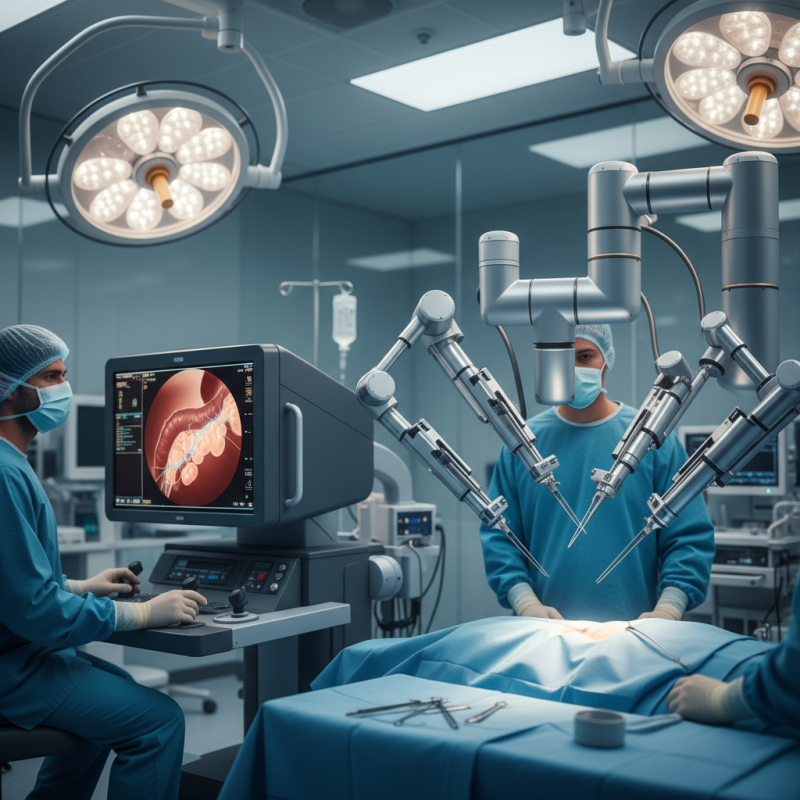
How Do Surgical Robots Enhance Outcomes in Modern Surgery?

The Evolution of Surgical Robots in Healthcare

The evolution of surgical robots has marked a significant milestone in healthcare. According to a report by Research and Markets, the surgical robotics market is expected to reach $23.1 billion by 2026. As the technology progresses, robotic systems have integrated advanced features such as artificial intelligence and enhanced imaging capabilities. These developments enable surgeons to perform complex procedures with greater precision and reduced recovery times.

Robotic-assisted surgeries often utilize minimally invasive techniques, which can lead to less pain and quicker healing. A study published in the Journal of Urology highlights that patients undergoing robotic prostatectomies experienced up to 50% less pain post-surgery compared to traditional methods. This shift reflects a broader trend toward personalized treatment plans tailored to patients' specific needs.

Tips: When considering surgical options, consult with professionals about the available technologies. Discuss potential benefits and risks of robotic versus traditional surgeries. Make sure to review data on success rates related to different methods.

Not all surgical robots are created equal. There are still limitations in the technology. For instance, some procedures may not benefit from robotic assistance. Continued training and evaluation of surgical teams are crucial for optimizing outcomes in robotic-assisted surgeries. This ongoing challenge illustrates the need for a balanced understanding of both technology and traditional practices.

Key Features of Modern Surgical Robots

Modern surgical robots are transforming the landscape of surgery. Their key features significantly enhance surgical outcomes. Robotic systems offer unparalleled precision. Surgeons can perform complex procedures with high accuracy. This technology minimizes tissue damage and reduces recovery times. Patients often experience less pain and scarring thanks to this advanced technique.

One notable feature is the 3D visualization provided by surgical robots. This allows surgeons to view the surgical site in great detail. Enhanced visuals improve decision-making during critical moments. Another important aspect is the robotic arms equipped with wrist-like movements. These allow for greater flexibility than human hands. Surgeons can navigate tight spaces with ease. However, reliance on technology can pose challenges. Surgeons must maintain their skills alongside using robotic assistance. There's an ongoing need for training to adapt to these systems.

Despite advancements, it’s important to acknowledge limitations. Not every procedure is suitable for robotic assistance. In some cases, a traditional approach may be more effective. The cost of surgical robots can also limit access for some facilities. Balancing the benefits with these realities is essential for ongoing improvement and patient care.

Enhancement of Surgical Outcomes with Robots

Benefits of Surgical Robots in Minimally Invasive Procedures

Surgical robots are transforming modern surgery. They particularly shine in minimally invasive procedures. These robots allow surgeons to perform complex operations with enhanced precision. Their ability to make small, controlled movements is invaluable. Surgeons can navigate tight spaces with greater accuracy, reducing tissue damage. This precision leads to fewer complications after surgery.

Minimally invasive techniques also result in smaller scars. Patients often experience less pain and quicker recovery times. However, not all procedures benefit equally from robotic assistance. Certain surgeries might not achieve the same outcomes as traditional methods. It's essential to evaluate each case individually.

Training is another crucial element. Surgeons must acquire specific skills to operate these robots effectively. While robotic systems enhance surgical capabilities, they are not a cure-all. Continuous reflection on their use and outcomes is necessary. This careful approach ensures that patient safety remains a priority.

Clinical Outcomes Improved by Robotic-Assisted Surgery

Robotic-assisted surgery has transformed the landscape of modern medical procedures. Surgeons can achieve greater precision in delicate operations. Enhanced visualization through 3D imaging allows for a clearer view of anatomy. This skill helps in minimizing damage to surrounding tissues. As a result, patients experience less pain and faster recovery times.

Clinical outcomes have shown significant improvement with robotic systems. Studies indicate reduced complications post-surgery. Patients often return to normal activities sooner. However, access to these technologies can be uneven. Not all facilities have the same level of resources. This disparity raises questions about equity in healthcare.

Surgeons must also adapt to new techniques. Training programs are necessary to master the technology. Yet, this learning curve can impact surgical performance initially. More research is needed to fully understand long-term outcomes. Each advancement brings both benefits and challenges, making the field dynamic and continuously evolving.

How Do Surgical Robots Enhance Outcomes in Modern Surgery? - Clinical Outcomes Improved by Robotic-Assisted Surgery

Surgery Type Clinical Outcome Improvement (%) Surgical Duration (minutes) Complication Rate (%) Recovery Time (days)
Prostatectomy 20% 180 5% 5
Hysterectomy 15% 90 4% 3
Cholecystectomy 18% 60 3% 2
Cardiac Valve Repair 25% 210 6% 7
Knee Replacement 22% 120 2% 4

Future Trends and Innovations in Surgical Robotics

Surgical robotics is evolving rapidly. The future promises innovations that could change patient outcomes significantly. New technologies are emerging, enabling greater precision in delicate procedures. Surgeons can perform complex tasks with enhanced visualization and control. The integration of AI is also on the horizon. Smart algorithms may assist in decision-making during operations.

Tele-surgery is gaining attention. Surgeons could perform procedures remotely, turning geographical barriers into opportunities for effective care. These innovations come with challenges. Training and adapting to new technologies can be difficult for established surgical teams. There are ethical concerns, too, about relying on machines to perform critical tasks.

Moreover, the cost of these advanced systems may limit access. Not all hospitals will afford the latest robotic tools. This disparity could create uneven benefits across different healthcare settings. Balancing innovation with accessibility remains essential. Future advancements in surgical robotics must address these complexities to truly enhance surgical outcomes.

FAQS

: What is the expected market value of surgical robotics by 2026?

: The surgical robotics market is projected to reach $23.1 billion by 2026.

How do robotic surgeries compare to traditional methods in terms of patient pain?

Robotic prostatectomies can result in up to 50% less pain post-surgery than traditional methods.

What are the primary advantages of minimally invasive robotic surgery?

Robotic surgery offers enhanced precision, smaller scars, and quicker recovery times for patients.

Are all surgical procedures suitable for robotic assistance?

No, not all procedures benefit from robotic assistance; some may yield better results through traditional methods.

What is a significant challenge with surgical robots?

Continuous training for surgeons is essential, and there may be an initial learning curve affecting performance.

How does access to robotic surgery impact healthcare equity?

Access to robotic technologies varies, which raises concerns about fairness in healthcare across different facilities.

What role does training play in the effectiveness of robotic surgeries?

Training is crucial, as surgeons must develop specific skills to operate robots effectively for optimal patient outcomes.

What improvements have been observed with robotic-assisted surgeries?

There have been significant improvements in clinical outcomes, including reduced complications and quicker return to normal activities.

Why is it important to reflect on robotic surgical outcomes?

Continuous reflection allows for better understanding and improvement of patient safety in robotic-assisted surgeries.

How can patients evaluate their surgical options?

Patients should consult professionals about technologies and discuss the benefits and risks of each surgical method.

Conclusion

Surgical robots have significantly transformed the landscape of modern healthcare, evolving from early prototypes to sophisticated systems with advanced capabilities. Key features of these robots include enhanced precision, reduced tremor, and improved visualization, all of which contribute to their effectiveness in minimally invasive procedures. One of the primary ways in which surgical robots improve modern surgery outcomes is through their ability to minimize patient trauma, leading to faster recovery times and reduced postoperative pain.

The benefits of robotic-assisted surgery extend beyond patient comfort; numerous clinical studies have demonstrated improved surgical outcomes, such as lower rates of complications and shorter hospital stays. Looking ahead, future trends in surgical robotics promise further innovations, including greater automation and integration with artificial intelligence, which could further enhance the efficacy of surgical procedures. Overall, understanding how do surgical robots improve modern surgery outcomes highlights their critical role in advancing surgical techniques and patient care.

Henry

Henry

Henry is a dedicated marketing professional with a profound expertise in the company's offerings. With years of experience in the industry, he possesses an impressive understanding of the market dynamics and consumer behaviors that drive success. Henry is committed to sharing his insights through......