Maintaining surgical instruments is crucial for patient safety and successful outcomes. Dr. Jane Smith, a leading expert in surgical hygiene, emphasizes, "Proper maintenance is as critical as the surgery itself." This highlights the need for meticulous care in this field.
Surgical instruments must be handled with precision. Their effectiveness directly impacts surgical procedures, yet many overlook proper maintenance. Factors such as cleaning methods and instrument storage play vital roles. Each step must be executed with attention to detail to ensure reliability.
Incorrect maintenance practices can lead to serious repercussions. Instruments may become ineffective or even harmful if not cared for properly. It's essential to reflect on current practices and adopt methods that prioritize safety. Understanding how to maintain surgical instruments safely is not just an option; it's a responsibility that cannot be ignored.
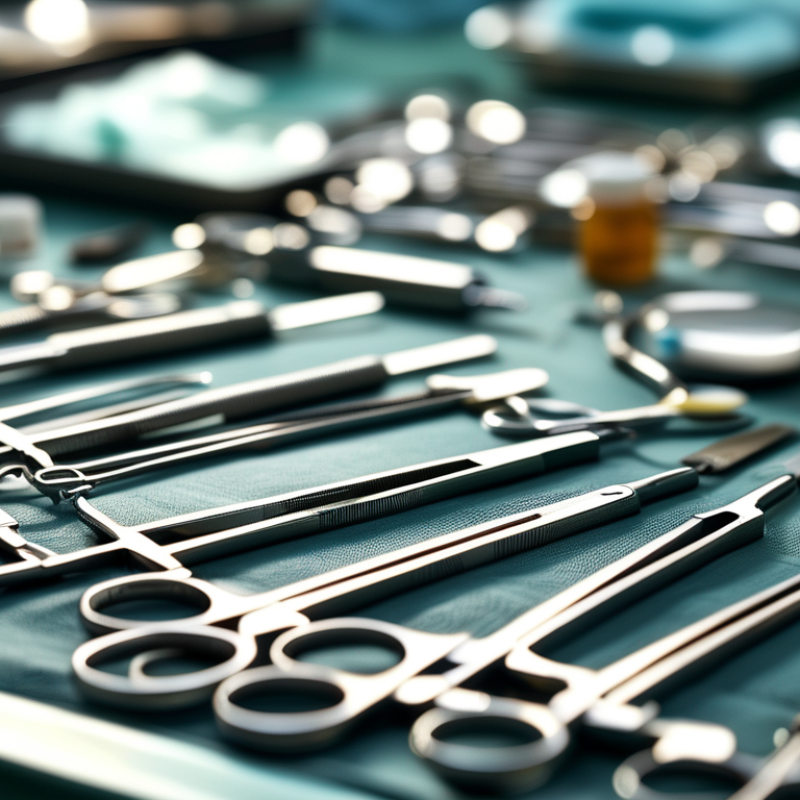
Cleaning and sterilizing surgical instruments are critical tasks that ensure patient safety. Proper cleaning begins immediately after use. Instruments should be rinsed to remove blood and debris before being processed. This step prevents biofilm formation, which can complicate sterilization efforts. It's essential to utilize appropriately cleaning solutions that effectively neutralize contaminants, ensuring thorough disinfection.
After cleaning, sterilization must follow rigorous protocols. Steam sterilization is one of the most reliable methods. Instruments must be organized in a manner that allows steam to circulate freely. Incorrect packing can lead to inadequate sterilization. Biological indicators should be used regularly to validate that the sterilization process is effective. It’s a practice worth reflecting upon: are we truly adhering to established protocols?
Regular training for staff on best practices is crucial. Operational procedures can evolve, and staying updated is vital. Even seasoned professionals can make mistakes or overlook details. Encouraging a culture of continuous improvement helps in minimizing risks associated with improper instrument care. This awareness fosters a better understanding of the importance of maintaining high standards in surgical instrument management.
Understanding sterilization methods is crucial for maintaining surgical instruments. Steam sterilization is commonly used. It involves high-pressure steam, which effectively kills microorganisms. The process requires careful monitoring of temperature and duration. Failure to do so can lead to ineffective sterilization. Regular training on this method helps staff understand its nuances.
Ethylene oxide sterilization is another option. It’s useful for heat-sensitive instruments. This gas penetrates packaging and kills bacteria. However, it requires aeration to remove residual gas. Inadequate aeration may pose health risks. Personnel must stay informed about safe practices and monitoring.
Sometimes, sterilization methods overlap. Understanding when to use each method is complex. Ensuring proper maintenance and training can make a difference. Staying updated with current guidelines is essential. Reflecting on past mistakes can lead to improvement. Each method has its challenges, yet the goal remains the same: patient safety.
Regular inspection and maintenance of surgical instruments are critical for effective healthcare delivery. Neglecting this process can lead to compromised patient safety. Contaminated or damaged instruments increase the risk of infections and surgical complications. Therefore, developing a routine for checking instruments is essential.
During inspections, look for signs of wear, such as discoloration or rust. Small cracks can undermine the integrity of even the finest instruments. Staff should be trained to recognize these issues. Consistent maintenance not only prolongs the lifespan of instruments but also protects patient outcomes.
However, challenges often arise. Some may overlook the importance of routine checks amidst a busy schedule. Others might lack adequate training to identify subtle defects. Such oversights can lead to dire consequences. It's crucial to foster a culture of accountability among healthcare professionals.
Regular training sessions can help reinforce the significance of maintaining these vital tools. These efforts ensure that instruments remain safe and effective for surgical procedures.
Proper documentation and record-keeping are vital for ensuring the safety of surgical instruments. Each instrument should have a clear history, including its usage, maintenance, and any repairs. This log should be easily accessible to the surgical team. By maintaining comprehensive records, hospitals can track the lifecycle of each instrument, helping to identify any patterns that may indicate the need for replacement or repair.
Regular audits of these records are necessary. They can reveal discrepancies or lapses in inventory management. An unreliable logging process can lead to grave consequences. For instance, if a sterilized instrument is mistakenly documented as unsterilized, it poses a significant risk during surgery. Reflecting on past mistakes is crucial. Learning from documentation errors strengthens protocols and enhances patient safety.
Training staff on effective record-keeping methods promotes accountability. Employees should understand the importance of accurate data entry, as it impacts surgical outcomes. Real-life scenarios can show the repercussions of neglecting documentation. Encouraging a culture that prioritizes meticulous record-keeping can foster a safer surgical environment. Moving forward, consistent reflection on these practices will only enhance instrument safety in healthcare settings.
Training staff on proper instrument handling and maintenance procedures is crucial in surgical settings. A recent study reveals that 50% of surgical instrument damage stems from improper handling by untrained staff. Educating team members on how to handle instruments reduces the likelihood of such damage. Hands-on training sessions can greatly enhance staff confidence, contributing to better patient outcomes.
During training, emphasize the importance of hygiene and routine maintenance. Post-operative cleaning is vital. Instruments should be cleaned immediately after use, as biofilms can form within hours. Regular audits can help ensure compliance with protocols. The CDC recommends cleaning methods should be followed closely to avoid reprocessing errors. Surveys highlight that 30% of healthcare workers are unaware of the proper protocols, indicating a gap in training.
Incorporating simulations and practical demonstrations helps reinforce learning. Staff should engage in discussions about past mistakes and their consequences. Reflecting on mishaps can lead to improved practices. Continuous education is essential. Providing resources and easy access to maintenance guidelines can enhance the safety and effectiveness of instrument handling. Regular refresher courses can help maintain awareness and competency among all staff members.
| Instrument Type | Maintenance Frequency | Cleaning Procedure | Inspection Criteria | Storage Recommendations |
|---|---|---|---|---|
| Scissors | After Each Use | Wash with warm, soapy water; rinse and dry | Check for rust and sharpness | Store in a dry, sterile container |
| Forceps | Daily | Soak in enzymatic cleaner, rinse, and dry | Inspect for alignment and wear | Store closed to maintain shape |
| Scalpels | After Each Use | Disinfect and sterilize as per protocol | Check blade sharpness and handle integrity | Store in a protective case |
| Needles | After Each Use | Avoid direct cleaning; sterilize after use | Inspect for burrs and bends | Store in safe, designated sharps containers |
: Immediate cleaning prevents biofilm formation, ensuring effective sterilization and patient safety.
Steam sterilization is commonly trusted. It requires proper organization and monitoring for effectiveness.
Incorrect packing can hinder steam circulation, leading to inadequate sterilization and potential risks.
Regular training ensures staff stay updated on protocols. Experienced professionals may also overlook details.
Accurate documentation tracks usage and maintenance. Errors can lead to serious risks in surgeries.
Residual gas can pose health risks. Proper aeration is crucial for instrument safety.
Audits reveal discrepancies. They help in identifying lapses that could compromise patient safety.
The log should include usage history, maintenance, and repairs. Accessibility is key for the surgical team.
Documenting a sterilized instrument as unsterilized can lead to serious surgical risks.
Encouraging continuous reflection on practices enhances understanding and minimizes risks in instrument management.
Maintaining surgical instruments safely is crucial for ensuring the effectiveness of surgical procedures and patient safety. This involves adhering to best practices for cleaning and sterilization, including understanding various sterilization methods such as steam and ethylene oxide. Regular inspection and maintenance of instruments are essential to identify any wear and tear, ensuring they remain safe for use.
Furthermore, maintaining proper documentation and record-keeping is vital for tracking the maintenance history of instruments, which aids in compliance and accountability. Training staff on correct handling and maintenance procedures is also essential to prevent contamination and damage. By implementing these practices, healthcare facilities can ensure the safe and effective maintenance of surgical instruments.

TC MediGroup