Why Keeping Surgical Instruments Safe is Crucial for Healthcare?

Time:2026-05-01 Author:Charlotte
0%

In the complex world of healthcare, maintaining surgical instruments safely is a cornerstone of effective patient care. Dr. Emily Carter, a renowned expert in surgical safety, emphasizes, “Proper maintenance of instruments is critical to prevent complications.” Her insights highlight the need for a robust approach to instrument care.

Surgical instruments are essential in any procedure. However, their effectiveness hinges on meticulous handling and storage. Instruments that are not properly maintained can lead to infections or even surgical errors. Each item must be cleaned, sterilized, and stored correctly. It’s not just about ensuring they are functional; it’s about safeguarding the health of patients.

Furthermore, it is important to acknowledge the challenges in this process. Busy operating rooms often overlook small details. A rushed cleaning process may seem efficient but can lead to serious consequences. Therefore, training staff to understand how to maintain surgical instruments safely is imperative. Investing time and resources into this education can dramatically enhance overall safety in surgical environments.
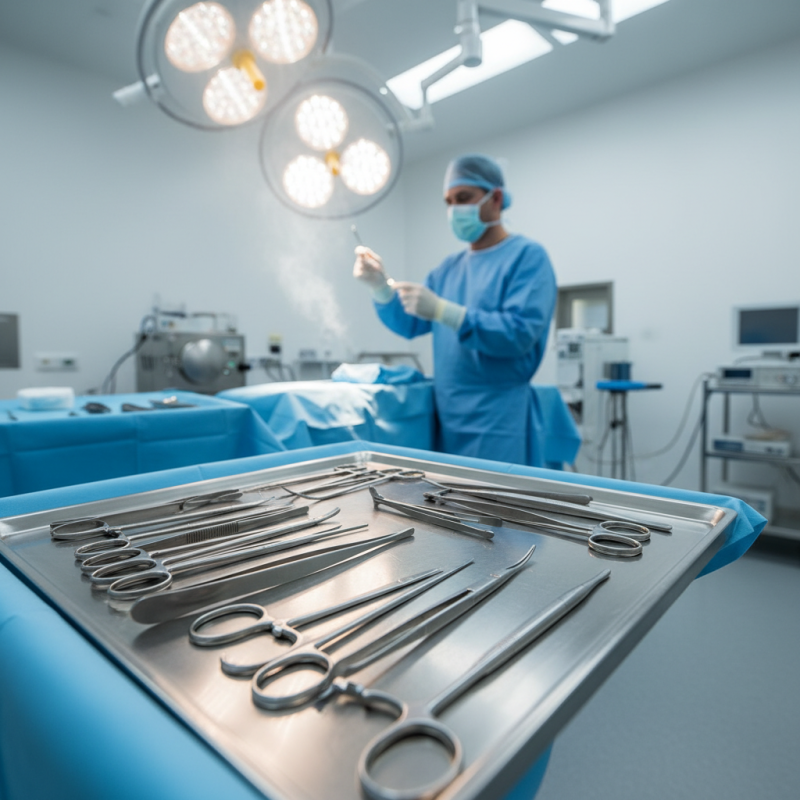
Why Keeping Surgical Instruments Safe is Crucial for Healthcare?

The Importance of Surgical Instrument Safety in Healthcare Settings

Surgical instrument safety is a vital aspect of healthcare that impacts patient outcomes directly. Instruments that are not properly maintained can lead to serious complications during procedures. Even minor lapses in sterilization can result in infections, which prolong hospital stays and escalate healthcare costs.

Tips for ensuring instrument safety include regular audits of surgical tools. Implement a checklist system to track instrument condition before and after use. This practice fosters accountability in the surgical team. Additionally, staff training on proper handling and maintenance is essential. Knowledge about the risks of mishandling instruments can minimize errors.

In the fast-paced environment of hospitals, distractions are common. This can lead to instruments being left unsterilized or improperly stored. Encourage a culture where team members feel comfortable reporting safety concerns. Open communication can address issues before they result in harm. Focus on continuous improvement, always reflecting on practices to enhance instrument safety.

Statistics on Surgical Instrument-Related Infection Rates in Hospitals

In hospitals, surgical instruments play a vital role in patient safety. However, poor handling can lead to severe infections. Recent studies show that surgical instrument-related infections are responsible for approximately 15% of hospital-acquired infections. This statistic highlights a significant area of concern in healthcare.

Maintaining the safety of surgical instruments is not just about cleanliness. It involves proper storage, handling, and sterilization. An alarming number of healthcare facilities do not follow stringent protocols. This negligence can compromise patient outcomes. For instance, unsterilized instruments have been directly linked to postoperative infections.

For effective instrument management, here are some tips. Always ensure instruments are cleaned and sterilized according to industry standards. Regular training for staff on proper handling techniques can prevent mistakes. Finally, implement a tracking system for the instruments to monitor their usage and sterilization status. Consistent adherence to these practices can significantly lower infection risks.

Statistics on Surgical Instrument-Related Infection Rates in Hospitals

Regulatory Standards for Surgical Instrument Sterilization and Maintenance

Surgical instruments play a vital role in effective medical procedures. Their safe handling and proper sterilization are essential for patient health. Regulatory standards guide healthcare facilities in maintaining these instruments. These standards help reduce infection risks and promote best practices.

Health organizations require specific protocols for sterilization. Instruments must be cleaned after each use. Disinfection involves multiple steps, often using high temperatures or chemicals. However, gaps can exist in compliance. Some facilities may overlook proper techniques, risking patient safety. Continuous training is necessary to ensure all staff understand the importance of these regulations.

Routine checks and audits help maintain high standards. Instruments should be inspected for wear and any signs of damage. If not regularly monitored, issues can arise, leading to severe consequences. By fostering an environment of accountability, healthcare providers can enhance instrument safety. It's crucial to recognize that ongoing vigilance is required to uphold the highest standards in surgical settings.

Impact of Surgical Instrument Safety on Patient Outcomes and Recovery

Ensuring the safety of surgical instruments has a profound effect on patient outcomes and recovery. Inadequate sterilization can lead to post-surgical infections, affecting nearly 1 in 20 surgical patients. A study published by the Centers for Disease Control and Prevention indicated that surgical site infections (SSIs) might increase hospital stays by an average of 7 days. These delays can significantly impact recovery times and overall health status.

Moreover, the financial burden of these complications is substantial. The average cost of treating an SSI is approximately $20,000. This figure highlights not only the financial implications but also the emotional toll on patients and their families. Ensuring surgical instruments are meticulously maintained and sterilized reduces these risks. Yet, the industry often faces challenges in compliance with safety protocols. Reports suggest that up to 30% of surgical teams might overlook critical steps in instrument preparation.

The reliability of surgical instrument safety directly correlates with patient trust and satisfaction. When patients perceive a facility's commitment to safety, they tend to report better psychological outcomes and overall experiences. However, lapses do happen, and it is essential for healthcare professionals to pursue continuous training and awareness on best practices. Significant improvements can come from a commitment to regular audits and checks, ultimately driving better patient recovery trajectories.

Best Practices for Ensuring the Security of Surgical Instruments in Surgery

In surgical settings, the safety and security of instruments are paramount. According to the Joint Commission, nearly 30% of surgical errors are linked to instrument mishandling. This statistic underscores the importance of implementing robust practices. Effective instrument management can significantly reduce risks, ensuring patient safety and enhancing surgical outcomes.

A key tip is to establish a clear inventory system. Utilize barcoding or electronic tracking to monitor instrument usage. This method provides accountability and minimizes loss. Staff must be trained regularly on these systems to maintain compliance and improve precision during surgeries.

Another critical aspect is maintaining cleanliness and organization. Instruments should be sorted and sterilized according to specific protocols. The Centers for Disease Control and Prevention (CDC) recommends regular audits to ensure adherence to these practices. Such measures not only prevent contamination but also promote a culture of safety. Regular reminders and checks can help reinforce these habits within the surgical team, contributing to an overall safer environment.

FAQS

: Why is surgical instrument safety important in healthcare?

: It directly affects patient outcomes and can prevent severe complications during procedures.

What can happen if instruments are not properly maintained?

Improper maintenance can lead to infections and extended hospital stays.

How can hospitals ensure instrument safety?

Regular audits and a checklist system help track instrument condition effectively.

Why is staff training essential in handling surgical instruments?

Proper training minimizes errors and educates staff about risks of mishandling.

What role does communication play in instrument safety?

Open communication encourages reporting of safety concerns and prevents potential harm.

What percentage of hospital-acquired infections are related to surgical instruments?

Approximately 15% of these infections are linked to poor handling of surgical tools.

What issues arise from neglecting proper sterilization protocols?

Negligence can lead to compromised patient outcomes and increased infection rates.

How should instruments be stored and handled?

They require proper storage, meticulous handling, and strict adherence to sterilization protocols.

What tracking system can help manage surgical instruments?

Implementing a tracking system to monitor usage and sterilization status is effective.

What should be continuously reflected upon in healthcare settings?

Continuous improvement practices should be reflected upon to enhance instrument safety.

Conclusion

Ensuring the safety of surgical instruments is critical in healthcare settings, directly impacting patient outcomes and recovery. High statistics on surgical instrument-related infections underscore the necessity for stringent adherence to regulatory standards governing sterilization and maintenance. Healthcare facilities must prioritize best practices in this area, focusing on how to maintain surgical instruments safely to prevent complications and enhance surgical success.

Implementing comprehensive training for staff, regular inspections, and stringent cleaning protocols can significantly reduce the risk of infection. By fostering a culture of safety and accountability regarding surgical instrument management, healthcare providers can improve overall patient care and outcomes. The commitment to maintaining these instruments not only safeguards patients but also upholds the integrity of the healthcare system as a whole.

Charlotte

Charlotte

Charlotte is a seasoned marketing professional with a deep understanding of the company's portfolio and a passion for elevating its presence in the market. With a keen eye for detail and a commitment to excellence, she ensures that our professional blog is regularly updated with insightful articles......