Minimally invasive procedures (MIPs) are transforming the landscape of surgery. As advancements in technology continue to evolve, achieving precision in these procedures is of utmost importance. According to a report by the American College of Surgeons, precision in MIPs has been linked to a 30% reduction in postoperative complications. This statistic underscores the critical need for improved techniques and tools in the field.
Experts in the industry emphasize the importance of refining these procedures. Dr. Emily Chen, a leading surgeon in minimally invasive techniques, asserts, “Improving precision in MIPs not only enhances patient outcomes but also boosts surgeon confidence.” Her insights reflect a growing consensus among medical professionals on the impact of precision on surgical success. With the increasing complexity of surgeries today, understanding how to improve precision in minimally invasive procedures is a necessity for practitioners and patients alike.
While there are promising tools available, challenges persist. Many surgeons face hurdles in implementing these technologies effectively. Continuous education and hands-on practice are essential for overcoming these issues. As the field progresses, addressing these imperfections will be key to advancing minimally invasive surgery.
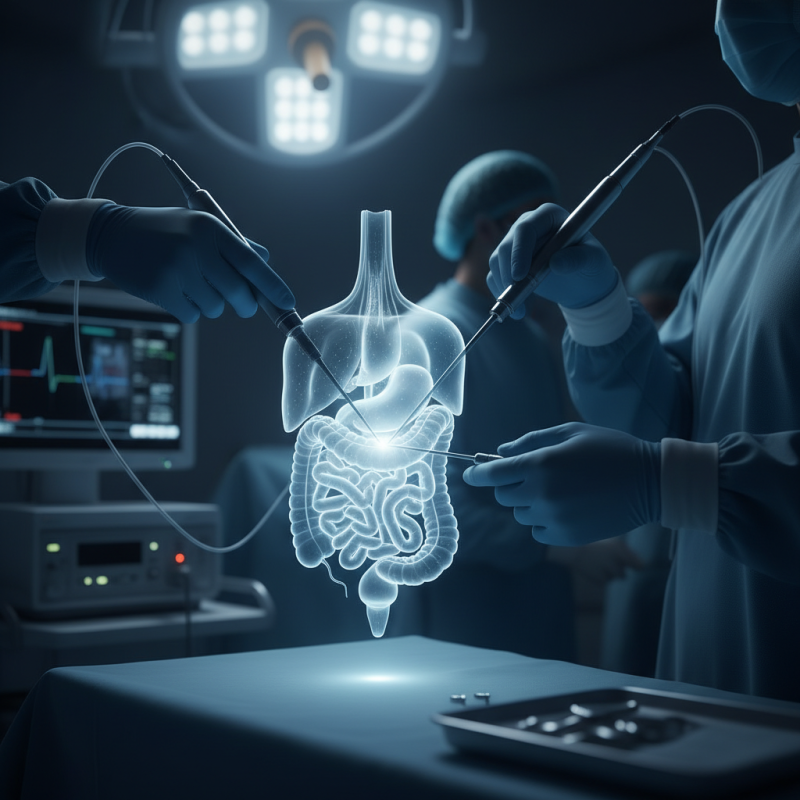
Advancements in imaging technology have transformed minimally invasive procedures. High-resolution imaging systems allow surgeons to visualize internal structures with remarkable clarity. Techniques like 3D imaging provide depth perception that was previously lacking. This clarity enhances the precision of surgical tools. Surgeons can operate with confidence, reducing the risk of complications.
Moreover, real-time imaging aids in decision-making during procedures. Surgeons can monitor tissue responses instantly. This immediate feedback loop helps adjust techniques on the fly. However, the reliance on advanced imaging can also introduce challenges. Not all facilities have access to these technologies, which can create disparities in care. Additionally, increased reliance on imaging might lead to overconfidence, with clinicians sometimes underestimating the complexities of individual cases.
Enhanced imaging holds great potential but also demands critical reflection. As the technology evolves, training must keep pace. Continuous education is crucial to ensure all practitioners can effectively use new tools. Balancing high-tech aids and traditional skills is key to maintaining patient safety and improving outcomes.
Robotic assistance in minimally invasive surgery (MIS) enhances precision significantly. This technology allows surgeons to perform complex tasks with improved dexterity. Robotic systems provide high-definition 3D visualization. The depth perception and magnification help in navigating intricate anatomical structures. Surgeons can control robotic arms with fine movements, which translates to better outcomes.
Despite these advancements, challenges remain. Not every procedure is suitable for robotic assistance. The training required for surgeons can be extensive. There may also be a learning curve associated with each new robotic system. Additionally, not all facilities have access to this technology. Financial constraints can limit the availability of robotic-assisted options.
Patient safety is a priority. Even with robotic systems, complications can arise during operations. Continuous evaluation of outcomes is necessary to ensure effectiveness. Feedback from surgical teams is crucial for improving techniques. As the technology evolves, so too must the standards of care. Robotic assistance holds promise, but ongoing reflection on its use is essential.
Minimally invasive procedures (MIPs) have transformed surgery. They promise reduced recovery times and minimized pain. However, precision remains crucial for optimal results. Improving surgical instruments aids in achieving greater accuracy and control. According to a report from the American College of Surgeons, precision errors can lead to complications in 15% of MIPs. Therefore, refining instruments is vital.
One key factor in enhancing precision is the integration of advanced imaging technologies. Tools that provide real-time feedback allow surgeons to make informed decisions. For instance, 3D visualization can dramatically enhance spatial awareness during delicate procedures. Surgeons increasingly rely on enhanced instruments, leading to a reported 30% decrease in intra-operative errors.
Tips for improvement include regularly updating surgical techniques through continuous education. Participation in workshops can introduce you to emerging technologies. Another aspect is ensuring proper ergonomics of instruments, which can reduce hand fatigue and improve control. Surprisingly, many surgeons overlook instrument condition. Regular maintenance keeps tools sharp and ready.
The challenge lies in balancing innovation with usability. Not all new instruments integrate seamlessly into existing workflows. Surgeons must critically assess the tools they choose to use. Adapting to new technologies can be daunting, yet necessary for the evolution of minimally invasive surgery.
| Method | Description | Impact on Precision | Example Tools |
|---|---|---|---|
| Enhanced Visualization | Use of high-definition cameras and 3D imaging. | Improves sightlines and field of view. | Endoscopes, Laparoscopes |
| Robotic Assistance | Utilizing robotic systems for precision control. | Increases dexterity and reduces tremor. | Da Vinci Surgical System |
| Advanced Instrumentation | Instruments designed for better performance. | Enhances tool reliability and functionality. | Ultrasonic Scalpel, Bipolar Forceps |
| Enhanced Training | Simulation-based training for surgeons. | Improves surgeon skill and confidence. | Virtual Reality Simulators |
| Feedback Systems | Real-time feedback during procedures. | Allows immediate adjustments and corrections. | Sensor Technology |
| Integrated Technology | Combining various tech for better results. | Holistic approach to surgery. | Combined Imaging and Instrumentation |
| Patient-Specific Models | 3D printing to create anatomical replicas. | Allows for customized planning and approaches. | 3D Printed Organ Models |
| Data Analytics | Using patient data to guide decisions. | Enhances preoperative planning. | AI Predictive Tools |
| Minimizing Complications | Strategies to reduce surgical risks. | Improves overall surgical outcomes. | Preoperative Assessments |
| Real-Time Imaging | Intraoperative imaging systems. | Facilitates immediate visualization of anatomy. | Fluoroscopy, MRI |
Minimally invasive procedures require precision. Surgeons need to enhance their skills for better patient outcomes. Training and simulation play a vital role in this process. By utilizing advanced simulation techniques, surgeons can practice intricate maneuvers in a risk-free environment. Smart technology now offers lifelike models that mimic human anatomy. These simulators respond to the surgeon's actions, providing real-time feedback.
Virtual reality (VR) has emerged as a powerful tool. It allows surgeons to immerse themselves in complex scenarios. Wearing VR headsets, they can learn without the fear of making mistakes. An additional benefit of VR training is the ability to repeat scenarios. Repetitive practice leads to muscle memory, enhancing overall skill. However, some surgeons may struggle to adapt to these new technologies.
Mentorship is another crucial aspect of skill development. Experienced surgeons can provide insights and techniques that simulations might not cover. Regular feedback helps improve precision and confidence. Yet, mentoring requires time. Some institutions may not prioritize this approach. A balance of traditional methods and modern technology can offer the best training. Focusing on both areas can create more skilled and precise surgeons.
Minimally invasive procedures have transformed modern medicine, but precision remains a critical challenge. Patient-specific planning and navigation systems play a vital role in achieving optimal outcomes. A recent study revealed that procedures utilizing tailored navigation increased accuracy by over 30%. These systems account for individual patient anatomy, leading to fewer complications and shorter recovery times.
Tips for enhancing precision include leveraging advanced imaging techniques. High-definition imaging allows surgeons to visualize structures in detail. Furthermore, integrating 3D modeling can significantly improve the surgical approach, reducing the risk of errors during operations. Training on these systems is crucial, as user familiarity influences outcomes. Optimizing these tools requires continuous feedback and refinement.
Despite the advancements, room for improvement exists. Not all surgeons are proficient with these technologies, leading to inconsistent outcomes. A report showed that 25% of surgeons felt unprepared when using new navigation systems. Evaluating the effectiveness of these systems and adjusting approaches based on initial results will foster better practices. Continuous education and support are essential to bridge this gap in expertise and ensure patients receive the highest quality of care.
: Robotic assistance enhances precision and dexterity, allowing surgeons to perform complex tasks effectively.
Challenges include extensive training, a learning curve for new systems, and financial limitations for access.
Patient safety is crucial because complications can still arise, necessitating continuous evaluation of surgical outcomes.
Improved surgical instruments provide accuracy and control, reducing errors in minimally invasive procedures significantly.
Advanced imaging, such as real-time 3D visualization, enhances spatial awareness and decision-making for surgeons during operations.
Maintaining instruments in good condition is essential; regular checks prevent issues and ensure readiness for surgery.
They account for individual anatomy, increasing accuracy by over 30% and reducing complications during procedures.
No, many surgeons report feeling unprepared with new navigation systems, leading to variability in outcomes.
Ongoing training helps surgeons stay updated on new techniques and technologies, ensuring better patient care.
They allow for adjustments based on outcomes, fostering better techniques and outcomes over time.
Improving precision in minimally invasive procedures is essential for enhancing patient outcomes and reducing recovery times. There are several ways to achieve this goal, including advancements in imaging technology that provide clearer and more accurate visualizations of anatomical structures. The incorporation of robotic assistance allows for greater dexterity and control during surgeries, helping surgeons perform complex maneuvers with enhanced accuracy.
Additionally, the development of improved surgical instruments offers better precision and control in delicate operations. Training and simulation techniques play a crucial role in enhancing surgeons' skills, allowing them to practice procedures in a risk-free environment. Lastly, patient-specific planning and navigation systems enable tailored approaches to individual cases, ensuring optimal outcomes. By implementing these strategies, healthcare professionals can notably enhance how to improve precision in minimally invasive procedures, ultimately benefiting patient care.

TC MediGroup