How to Improve Operating Room Efficiency in 2026?

Time:2026-06-27 Author:Liam
0%

In recent years, operating room efficiency has become a focal point for healthcare facilities worldwide. With the increasing demand for surgical services, understanding "how to improve operating room efficiency" is more crucial than ever. Hospitals strive to optimize their resources while maintaining high standards of patient care. This challenge is multifaceted, involving staff coordination, technology integration, and workflow management.

Effective strategies must balance speed and safety, recognizing that hurried procedures can lead to mistakes. Data analysis can reveal bottlenecks, yet implementation often faces resistance from staff accustomed to routines. It requires a cultural shift towards teamwork and open communication. Exploring innovative solutions, like real-time monitoring systems and improved scheduling protocols, can lead to notable enhancements.

The journey to greater efficiency is ongoing. Many hospitals report initial successes only to encounter new obstacles. Feedback loops and adaptability are vital for continuous improvement. A thorough understanding of these dynamics is essential for any healthcare leader. The quest to understand "how to improve operating room efficiency" demands commitment, reflection, and a willingness to learn from failures.
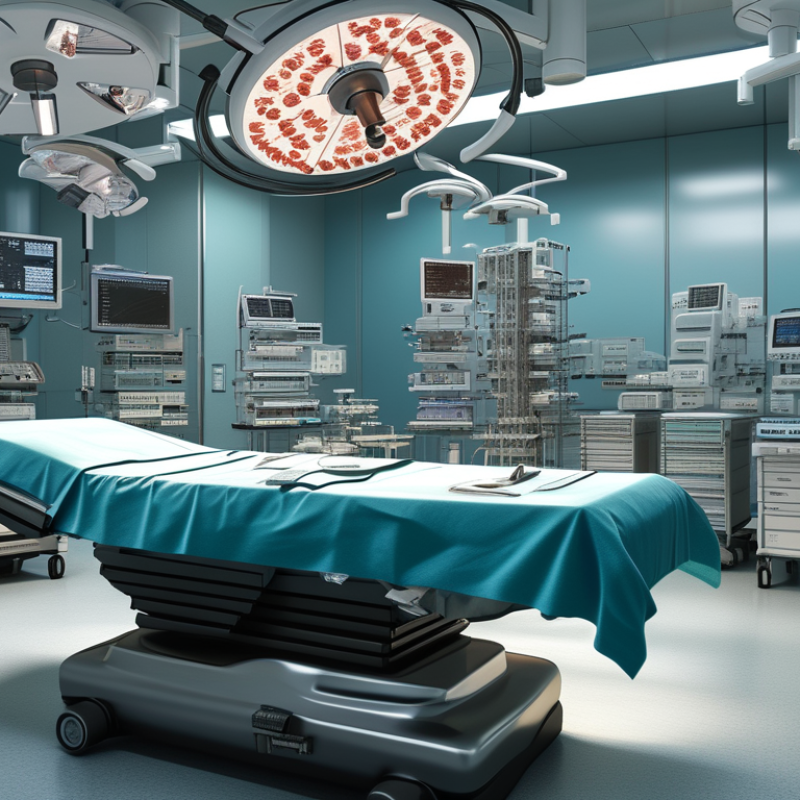
How to Improve Operating Room Efficiency in 2026?

Assessing Current Challenges in Operating Room Efficiency

Operating rooms face significant challenges that impact their efficiency. Communication breakdowns often occur, leading to delays. Staff may not have clear roles, causing confusion. These issues are compounded by inadequate resource allocation. Surgical teams sometimes lack the instruments they need, creating frustrating bottlenecks.

Another layer of complexity is the tight schedules. Frequently, surgeries run over their allotted time. This affects the whole day's schedule, leading to added stress for the staff. Operating room turnovers can be inefficient, contributing to long wait times. Furthermore, billing processes may lag behind, complicating patient flow.

Data management is another hurdle. Many facilities struggle with outdated systems that slow down access. This can lead to missed opportunities for optimization. Staff may feel overwhelmed by paperwork rather than focusing on patient care. Addressing these challenges requires proactive measures and a commitment to continuous improvement. Each element must align for surgical efficiency to thrive.

Implementing Advanced Technology Solutions for Workflow Enhancement

The operational efficiency of an operating room can greatly benefit from advanced technology solutions. Integrating automated scheduling systems can minimize downtime. These systems allow staff to allocate resources better. They ensure the right equipment is available when needed. Real-time data analytics can also optimize patient flow, reducing delays.

Wearable technology for surgical teams offers another enhancement. Smart devices can provide instant access to critical information during procedures. However, complications may arise with data overload. Not all staff may adapt quickly. Continuous training is essential to mitigate this issue.

Robotics in surgery is a growing trend. While they can enhance precision, they require substantial training. Not every facility can support this technology. Understanding each technology's limitations becomes crucial. This reflection allows for thoughtful implementation. The goal remains clear: enhance workflow without compromising quality or safety.

How to Improve Operating Room Efficiency in 2026? - Implementing Advanced Technology Solutions for Workflow Enhancement

Technology Solution Expected Benefits Implementation Cost (USD) Time to Implement Impact on Efficiency (%)
Robotic Surgery Systems Reduced surgery time and improved precision 500,000 12 months 30
AI Scheduling Algorithms Optimized surgical scheduling and resource allocation 150,000 6 months 25
Intraoperative Imaging Systems Enhanced visualization and decision making 300,000 9 months 20
Smart Sterilization Equipment Improved infection control and turnaround times 100,000 3 months 15
Telemedicine Consultation Stations Increased access to expertise and reduced delays 80,000 4 months 10

Streamlining Surgical Team Communication and Collaboration Practices

Effective communication in the operating room is crucial for efficiency. A report by the Institute of Healthcare Improvement highlighted that poor communication contributes to 30% of surgical errors. These errors can lead to extended surgery times and increased patient risk. Streamlining communication channels fosters a safer and more productive environment.

Adopting tools like surgical checklists can enhance collaboration among team members. A study published in the Journal of Surgical Research found that using checklists reduced surgical complications by 20%. This practice ensures that every team member is aligned and aware of their responsibilities. However, reliance on technology without proper training can backfire. Teams must continually practice these methods to ensure everyone is on the same page.

Another area needing attention is the daily huddles. They are often overlooked but are essential. These brief meetings can clarify the day's objectives and address potential challenges. Yet, many teams skip these. This creates gaps in understanding and can lead to miscommunication later. Regularly scheduled huddles can bridge these gaps, but commitment from all team members is necessary for success.

Optimizing Resource Management and Scheduling Strategies

Optimizing resource management in operating rooms is essential for enhancing efficiency. Studies indicate that operating room inefficiencies can lead to substantial financial losses. According to a 2022 report from the American Hospital Association, up to 30% of scheduled surgical time is often unproductive. This highlights the need for effective scheduling systems.

Implementing smart scheduling strategies can drastically improve utilization rates. Data shows that hospitals using predictive analytics experience 20% fewer delays. Factors like surgeon availability and patient readiness must be integrated into scheduling software to minimize idle time. Furthermore, using real-time data can help adjust schedules dynamically, making operations smoother.

Resource management is not just about scheduling. Equipment availability is crucial as well. A survey by the Joint Commission found that nearly 40% of surgical delays stem from equipment issues. Regular maintenance and inventory tracking systems can address this challenge. Ensuring that resources are available when needed should be prioritized to reduce waste and improve overall workflow in the operating room.

Enhancing Training and Continuing Education for Surgical Staff

In the fast-paced environment of surgical care, enhancing training and continuing education for surgical staff is paramount. Efficient operating room practices rely heavily on the skills and knowledge of the team. Regular training sessions tailored to emerging techniques and technologies are essential. It is not just about familiarity with tools; understanding the latest surgical procedures can greatly reduce operation times.

Engaging experts in training programs contributes to a culture of continuous improvement. Workshops, simulations, and peer learning can foster collaboration. However, it is crucial to recognize that even seasoned staff can feel overwhelmed. Continuous education should not add pressure. Instead, it should be a supportive resource. Creating an environment where staff can discuss challenges openly leads to more effective training.

Reflecting on past failures can also provide valuable lessons. Analyzing delays or complications from previous surgeries helps inform future training efforts. Additionally, staff feedback on training efficacy can guide improvements. An adaptable training curriculum will prepare surgical teams better for the complexities of the operating room landscape in 2026.

FAQS

: What are the main challenges in operating room efficiency?

: Communication breakdowns and unclear roles among staff lead to significant delays. Inadequate resource allocation worsens these issues.

How does scheduling impact operating room function?

Surgeries often exceed their time limits, disrupting the entire schedule. This creates added stress for everyone involved.

What affects operating room turnover times?

Inefficient protocols can lengthen turnover times, resulting in longer patient wait times and affecting overall scheduling.

Why is data management a problem in surgical facilities?

Many facilities face issues with outdated systems, which slow access to important information and hinder optimization efforts.

How can communication improve surgical outcomes?

Effective communication can reduce surgical errors, which contribute to longer times and increased risks for patients.

What role do surgical checklists play in the operating room?

Checklists enhance team collaboration and can reduce complications by ensuring everyone knows their responsibilities.

Are daily huddles beneficial for surgery teams?

Yes, huddles clarify objectives for the day, but many teams skip them, leading to gaps in communication.

What are the downsides of relying too much on technology?

Without proper training, reliance on technology can create misunderstandings and errors during surgeries.

What can help address the challenges faced in the operating room?

Proactive measures and commitment to continuous improvement are essential for aligning all elements towards surgical efficiency.

How can surgical teams ensure everyone is on the same page?

Regular practice of communication tools and techniques can foster better understanding and collaboration among team members.

Conclusion

In the pursuit of understanding how to improve operating room efficiency, it is crucial to first assess the current challenges affecting performance. Common issues such as delays, communication breakdowns, and resource mismanagement must be identified to create a solid foundation for improvement.

Implementing advanced technology solutions can significantly enhance workflow by automating administrative tasks, thereby freeing up staff to focus on patient care. Streamlining communication and collaboration practices among surgical teams will also ensure that everyone is informed and coordinated. Additionally, optimizing resource management and scheduling strategies will help maximize the use of available assets. Finally, investing in training and continuing education for surgical staff will empower them with the latest skills and knowledge needed to adapt to evolving practices, ultimately leading to a more efficient operating room environment.

Liam

Liam

Liam is a dedicated marketing professional with a profound expertise in the industry, where he excels at highlighting the unique advantages of our core products. With a keen understanding of market trends and consumer needs, Liam frequently updates our company’s professional blog, providing......