Endoscopic systems have revolutionized modern medicine, enabling intricate procedures with minimal invasiveness. Despite their advancements, many practitioners encounter issues that hinder their effectiveness. To truly understand what are common issues with endoscopic systems, we must reflect on various aspects of their design and use.
Routine complications can stem from equipment malfunction, inadequate training, or patient-specific factors. For instance, imaging clarity can vary significantly between systems. This inconsistency can confuse even experienced surgeons. Additionally, the complexity of these systems requires ongoing education for operators. Many overlook this necessity, leading to errors during procedures.
Moreover, maintenance plays a critical role in the longevity of endoscopic systems. Neglected cleaning or improper storage can lead to malfunctions. These common pitfalls reflect a need for vigilance and continual learning among medical professionals. While endoscopic systems present remarkable opportunities, awareness of their potential issues is essential for optimal use.
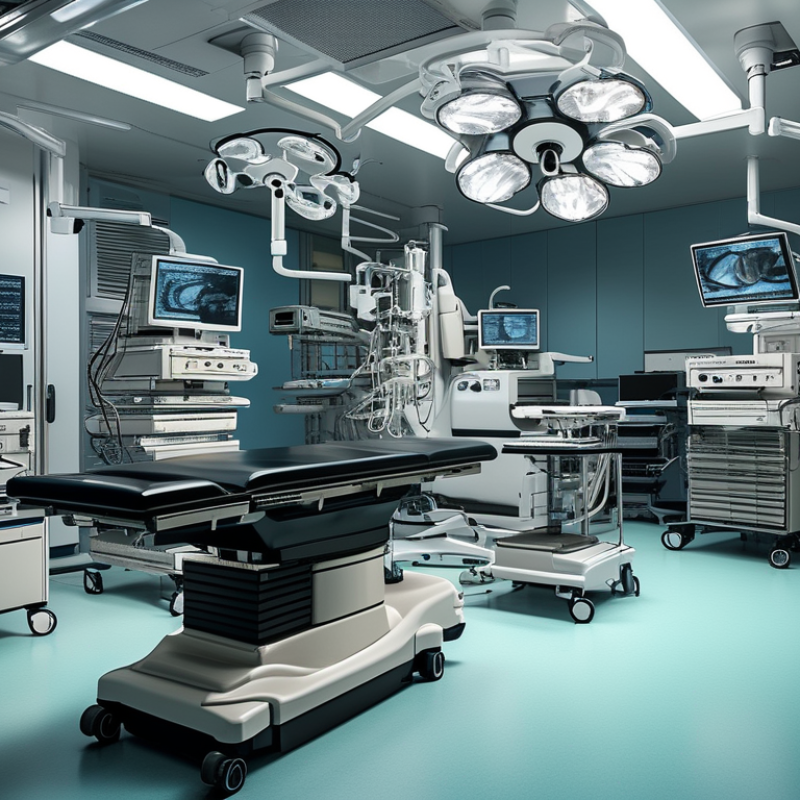
Endoscopic systems play a crucial role in modern medicine. However, they often face common issues in clinical practice. One significant problem is image distortion. This can hinder diagnosis and impact patient safety. Dirt and moisture on lenses can lead to unclear visuals. Regular cleaning is essential but often overlooked.
Another common challenge is equipment malfunction. This may involve power failures or software glitches. Such problems can disrupt procedures and cause delays. It's vital for teams to have training on troubleshooting these systems. Proper checks before procedures can minimize these risks.
Tips: Regular training sessions keep staff updated. Ensure thorough inspections before use. Use high-quality cleaning supplies for maintenance. These proactive measures can help mitigate issues and enhance patient care. Addressing equipment concerns requires a collaborative approach. Open communication among team members fosters a reliable clinical environment. Working together can lead to better outcomes and reduced frustrations.
Endoscopic systems are essential tools in modern medicine, yet they often face common issues that can impact their effectiveness. One root cause of failures is equipment maintenance. Neglecting regular cleaning and servicing can lead to performance degradation. For instance, buildup of biological material can obstruct camera lenses, compromising visibility during procedures. If not addressed, these issues can result in delayed diagnoses or even repeat procedures.
Another significant factor is the complexity of the technology. Many systems incorporate intricate components that require specialized knowledge to operate effectively. User errors due to inadequate training can lead to mishaps. For example, incorrect settings might throw off the precision necessary for delicate operations. This human element highlights the need for continuous education and retraining in the medical field.
Finally, the evolving nature of technology presents its own challenges. As new features are introduced, older models may struggle to keep up with advancements. This disparity can cause compatibility issues between devices, making it difficult for healthcare practitioners to deliver optimal care. Addressing these factors is critical. Upon reflection, ensuring robust training and maintenance protocols can enhance the reliability of endoscopic systems.
In the world of endoscopy, equipment malfunction is a prevalent concern. Recent statistics reveal that around 30% of endoscopic procedures face some form of equipment failure. This statistic highlights a significant issue within healthcare settings. A malfunction can lead to delays, increased costs, and potential risks to patient safety. Understanding this high rate of malfunction is crucial for improving patient care.
Factors contributing to equipment failure include wear and tear and improper maintenance. Some systems may not receive regular checks or updates, leading to unexpected breakdowns. The equipment's complexity often means that technicians must be highly trained. However, even skilled professionals can face challenges in diagnosing issues promptly. A recent audit in several hospitals showed that nearly 40% of failures went unidentified until the equipment was already in use.
Reflecting on these statistics raises important questions. Are current maintenance practices sufficient? How often do facilities invest in training for their staff? The need for vigilance in monitoring equipment conditions is undeniable. Reliable endoscopic systems are vital for successful procedures and patient trust. By addressing these common issues, the endoscopy field can work towards more dependable and effective healthcare outcomes.
Endoscopic systems often face common issues that stem from wear and tear. Proper maintenance is crucial to minimize these problems. Regular inspections help detect wear on components early. Cleaning the equipment after each use is vital. Residue can compromise imaging quality and functionality.
Training staff on best practices is essential. Misuse or handling errors frequently lead to malfunctions. It's important for operators to understand the importance of gentle handling. Not using proper cleaning agents can also damage delicate equipment.
Documentation of maintenance activities creates a reliable history. This helps identify recurring issues and patterns. It’s easy to overlook small errors until they become significant problems. Reflecting on past maintenance can reveal areas needing improvement. Continuous education for all team members is vital in preventing common issues.
Endoscopic technology has improved significantly in recent years. However, common issues still persist. Manufacturers are now focusing on the design and functionality of these systems. They aim to address problems like image clarity and instrument maneuverability. These flaws can affect procedural outcomes. As technology evolves, we should expect innovations that enhance performance.
Future trends in endoscopic systems emphasize integration with artificial intelligence. AI can help improve diagnostics and streamline workflows. It can analyze images in real-time, offering support to surgeons. Enhanced training for operators is also crucial. Proper training reduces errors and ensures more reliable outcomes.
Wireless technology and miniaturization are key focus areas. Smaller scopes can access hard-to-reach areas. This advancement will likely lead to less invasive procedures. Yet, some challenges remain. Ensuring the durability of these small instruments is vital. Overall, while the future holds promise, reflection on existing flaws is essential for growth.
: Image distortion is a significant problem, affecting diagnosis and patient safety.
Dirt and moisture lead to unclear visuals, complicating the medical process.
Regular cleaning ensures clear visuals, essential for accurate diagnoses.
Power failures and software glitches can disrupt procedures and cause delays.
Proper training and pre-procedure checks are essential for minimizing risks.
Neglect can degrade performance, leading to visibility issues during procedures.
Complex systems require specialized knowledge, increasing the risk of user errors.
Compatibility issues may arise, making it difficult to provide optimal care.
Regular training, thorough inspections, and high-quality cleaning supplies are crucial.
Open communication fosters collaboration, which can lead to better clinical results.
Endoscopic systems, crucial in modern medical procedures, often face common issues that can impact their effectiveness and reliability. These problems include equipment malfunctions, operator errors, and inadequate maintenance. Understanding what are common issues with endoscopic systems is essential for healthcare professionals, as these problems can lead to procedural delays and compromised patient safety.
The root causes of these failures often stem from a lack of proper maintenance, aging equipment, and human factors. Statistics indicate a notable rate of malfunction within endoscopy settings, underscoring the importance of implementing best practices for equipment maintenance. As technology evolves, future endoscopic systems are expected to incorporate innovations aimed at reducing these common flaws, improving the overall efficacy and safety of endoscopic procedures in clinical practice.

TC MediGroup