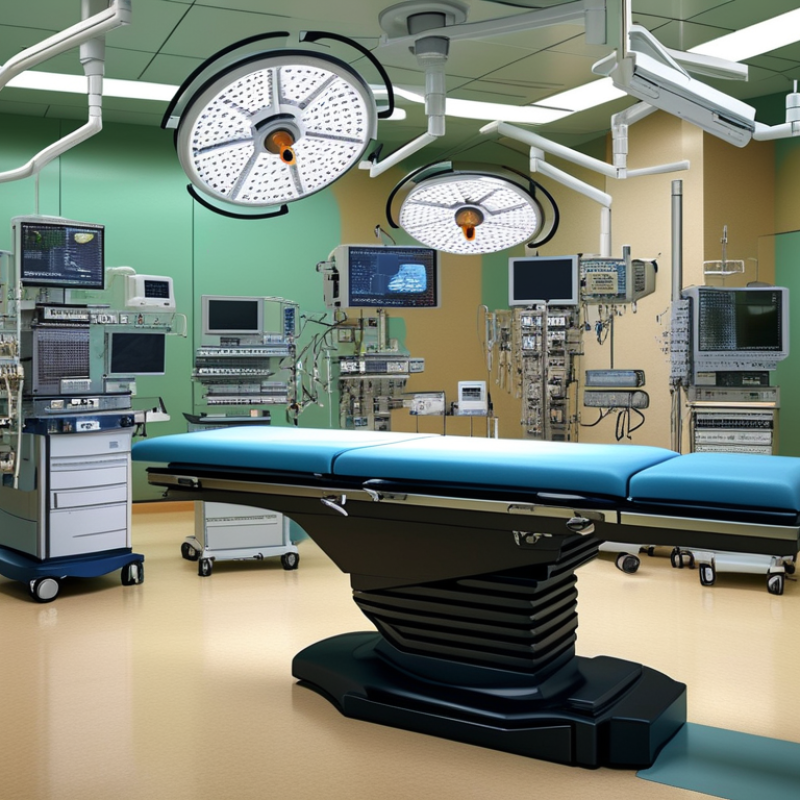
Choosing the right surgical system for hospitals is a critical decision. According to a 2022 report by the American Hospital Association, over 70% of hospitals report updating their surgical technology every three to five years. This highlights the importance of understanding current trends and innovations in surgical systems.
Healthcare leaders must evaluate multiple factors. Patient outcomes, technological advancements, and budget constraints play a significant role. A 2023 survey from Healthcare IT News revealed that 65% of hospitals prioritize advanced imaging capabilities when selecting surgical systems. This reveals a trend towards systems that enhance precision and efficiency in procedures.
However, navigating this landscape is not always straightforward. Decision-makers often face pressure from stakeholders and quickly changing technology. It’s essential for hospital administrators to ask the right questions. Understanding how to choose the right surgical system for hospitals is key to meeting both operational goals and patient needs. Embracing best practices in evaluation ensures better choices that can impact surgical outcomes significantly.
When selecting a surgical system for hospitals, it’s crucial to understand the various types available. There are traditional systems, robotic-assisted systems, and minimally invasive platforms. Each type serves different surgical needs and specialties. Traditional systems rely on experienced surgeons to perform procedures. They offer familiar setups but may lack advanced technologies.
Robotic-assisted systems are gaining popularity. They provide enhanced precision and greater visual clarity. Surgeons control robotic arms with high dexterity. This type can reduce recovery time and improve patient outcomes. However, the initial costs and training requirements can be significant hurdles for hospitals.
Minimally invasive platforms often include tools designed for laparoscopic procedures. They facilitate smaller incisions and less trauma to the body. While these systems can lead to quicker recovery, they may not be suitable for all patients. Each type of surgical system comes with its own advantages and challenges. Hospitals must carefully consider their unique needs and the experiences of their surgical teams when making a choice.
Selecting the right surgical system for hospitals is crucial. Several key factors should guide the decision-making process. One major consideration is the system's adaptability. Is it versatile enough to accommodate various surgical specialties? A system that can support multiple procedures can enhance efficiency and reduce costs.
User-friendliness is another vital aspect. Surgeons and staff must find the system intuitive. Complicated interfaces can slow down operations and lead to mistakes. Training should be straightforward. If it requires extensive education, it may delay implementation.
Finally, pay attention to service and support. Reliable technical assistance can make a difference. Maintenance should be reliable and easy to access. Hospitals should reflect on these elements before making a choice. Without proper assessment, they might face challenges post-purchase. It's essential to weigh all factors thoroughly and avoid hasty decisions.
When evaluating surgical systems for hospitals, reliability and performance stand out as critical factors. Reliable equipment minimizes the risk of surgical complications. Surgeons and hospital staff should assess the historical performance of devices. User feedback often reveals insights that reports do not capture. Evaluating the durability of surgical systems helps predict long-term performance. Hospitals must also consider the maintenance history of devices to avoid unexpected failures during surgery.
Performance metrics, such as precision and speed, play a vital role in surgical outcomes. Hospitals should look for systems that show consistent results in various procedures. Engaging with experienced surgeons can provide invaluable perspectives on device usability. Observing how equipment performs in real-life scenarios can reveal shortcomings often overlooked in specifications. Additionally, hospitals must weigh the learning curve required for staff to master new systems. Investing in staff training is essential for maximizing the benefits of advanced technologies.
While many surgical systems boast innovative features, not all deliver on their promises. It's crucial to critically analyze claims made by manufacturers. Some devices may seem appealing but fall short in everyday use. Hospitals should establish a robust evaluation process for new equipment. Gathering multidisciplinary opinions ensures that all aspects are covered. Decisions should not be rushed, as the implications for patient care are significant. Having a thorough, reflective approach can lead to better choices for surgical systems.
When selecting a surgical system, hospitals must evaluate cost-effectiveness critically. According to a recent report from the Healthcare Financial Management Association, nearly 30% of hospital budgets are allocated to surgical services. This considerable investment necessitates a careful examination of both initial costs and long-term expenses. Many systems promise significant benefits, but hidden costs can quickly erode potential savings.
Budget constraints often limit choices. A survey by the American Hospital Association revealed that about 42% of hospitals reported budget issues impacting their purchasing decisions. Hospitals need to assess whether the upfront costs align with potential savings. For example, while robotic systems carry a higher initial price tag, they may reduce the length of hospital stays. This leads to cost savings in overall patient care.
Yet, hospitals must remain vigilant. Not all advanced technologies yield better outcomes. An article in the Journal of the American College of Surgeons highlighted that some new devices failed to improve surgical success rates. Therefore, engaging clinical staff in decision-making is vital. Their insights can help identify which technologies truly enhance care without exceeding budget.
Choosing the right surgical system for hospitals involves multiple factors, but training and support for users cannot be overlooked. A well-designed surgical system may have advanced features, but if staff are not adequately trained, those features may go unused. Training programs should emphasize hands-on learning, allowing surgeons and nurses to practice in realistic settings. This practical experience can help reduce anxiety during actual procedures.
Support doesn’t end after training. Continuous assistance is crucial for long-term success. Users may encounter technical issues or have questions as they work with the system. Access to a reliable support team is essential. Hospitals should ensure that help is promptly available when needed. Regular workshops or refresher courses can further enhance skills and boost confidence among users.
Despite the best training efforts, some staff may still struggle. It’s important to create an environment where asking for help is encouraged. A culture of learning and collaboration can lead to better outcomes. Reflection on user experiences can help identify areas for improvement in both training and system functionality. Therefore, ongoing communication and feedback loops are vital for fostering a competent surgical team.
: There are traditional systems, robotic-assisted systems, and minimally invasive platforms. Each serves different surgical needs.
Robotic-assisted systems offer improved precision and visual clarity. They may reduce recovery time and enhance patient outcomes.
High initial costs and extensive training requirements can be hurdles for hospitals considering this option.
Minimally invasive tools lead to smaller incisions and less trauma. This can speed up recovery but may not suit all patients.
If a system is complicated, it can slow operations and increase mistakes. Intuitive design helps ensure efficiency.
Hands-on training in realistic settings is essential. It helps reduce anxiety for staff during actual surgeries.
Continuous assistance helps resolve technical issues. Reliable support is essential for long-term success with surgical systems.
Encouraging questions and collaboration helps staff improve and feel confident. Reflecting on experiences fosters growth.
Hospitals must assess adaptability, user-friendliness, and support. Hasty decisions can lead to challenges post-purchase.
Feedback helps identify areas needing improvement. It fosters communication and enhances the team's competence in using the system.
Choosing the right surgical system for hospitals involves understanding the various types of systems available, from traditional tools to advanced robotic solutions. Key factors to consider include the specific needs of the surgical department, the features offered by different systems, and how well these systems align with hospital capabilities.
Additionally, evaluating the reliability and performance of surgical equipment is crucial, as it affects patient outcomes and operational efficiency. Cost-effectiveness and budget constraints cannot be overlooked either, as they dictate the feasibility of acquiring and maintaining such systems. Lastly, ensuring that proper training and support for users are available is vital for maximizing the benefits of the surgical systems. In summary, understanding these aspects is essential for effectively determining how to choose the right surgical system for hospitals.
TC MediGroup