Surgery has evolved significantly due to technological advancements. Among these, 3D visualization stands out as a revolutionary tool. This technology enables surgeons to view detailed, three-dimensional representations of anatomical structures. It fosters better understanding, enhancing precision in complex procedures.
How does 3D visualization help in surgery? It provides surgeons with an intricate understanding of the patient's unique anatomy. This leads to improved preoperative planning and can minimize potential complications. In some cases, a surgeon’s ability to visualize tissues in three dimensions can result in shorter surgery times and improved recovery for patients.
However, reliance on 3D models is not without challenges. The quality of these models often depends on the imaging techniques used. Inadequate images can lead to misinterpretations. Additionally, not all surgical teams may have access to advanced 3D technology, raising questions about consistency in surgical practice. Exploring these aspects is crucial in understanding the full impact of 3D visualization in surgical outcomes.
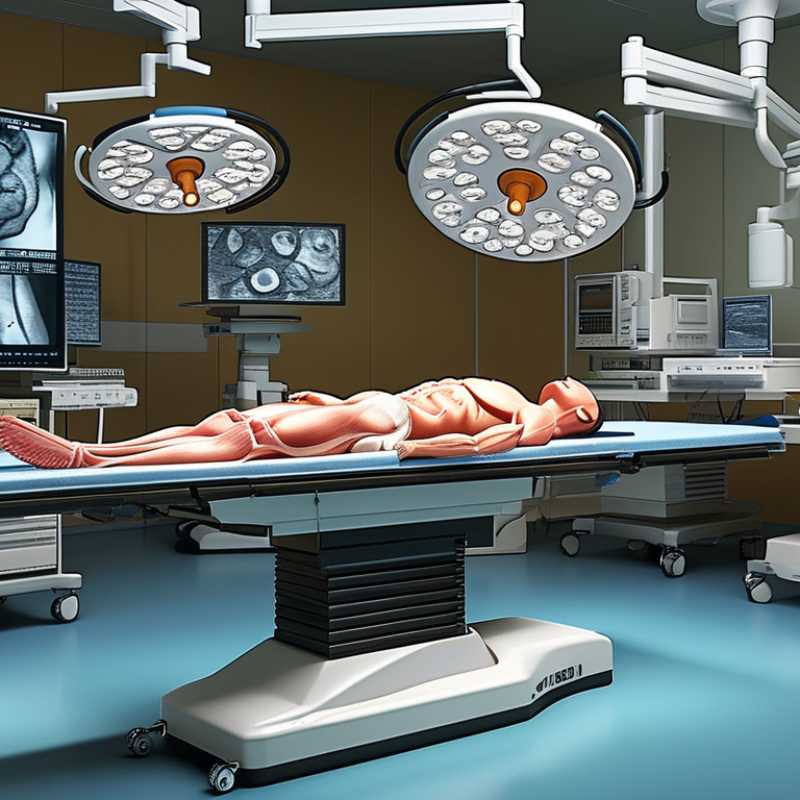
The Role of 3D Visualization in Preoperative Planning
Preoperative planning is critical for successful surgical outcomes.
3D visualization technology significantly enhances this process.
Surgeons use detailed 3D models to analyze complex anatomical structures.
These models provide a more intuitive understanding of the patient's unique anatomy, surpassing traditional imaging techniques.
By examining 3D representations, surgeons can identify potential challenges before the operation.
They can plan their approach more accurately, reducing the risk of unforeseen complications.
However, reliance on these models may lead to overconfidence.
Surgeons must remember that every patient is unique.
The 3D model should complement, not replace, their clinical judgment.
Moreover, incorporating 3D visualization facilitates communication within surgical teams.
Everyone involved can visualize the surgical strategy together.
This shared understanding fosters collaboration.
Yet, it's essential to balance technology with hands-on experience.
While 3D tools provide valuable insights, they cannot replicate the nuances of actual surgery.
Ongoing training and reflection on outcomes are vital to ensure the best results.
Enhancing Surgical Precision Through Detailed Anatomical Models
3D visualization has transformed the surgical landscape.
Precise anatomical models provide clarity. Surgeons can now visualize complex structures before making incisions.
This ability leads to safer procedures and more effective outcomes.
With detailed models, potential complications become evident. For example, a 3D heart model can highlight issues not visible in 2D scans.
Surgeons can plan their approach more effectively. However, reliance on technology can introduce challenges. Models may not always match the patient's anatomy perfectly.
It is crucial to combine these visuals with real-time imaging during surgery.
Moreover, these visualizations facilitate communication. Surgeons can explain procedures better to patients and their families.
This transparency builds trust and eases anxiety. Yet, the technology's complexity can be daunting for some medical professionals.
Training is essential to ensure all teams can use these tools effectively.
Embracing this evolution requires commitment and continuous improvement in skills and understanding.
Improving Communication Among Surgical Teams with Visual Tools
In modern surgical environments, clear communication is vital. 3D visualization tools bridge gaps in understanding among surgical teams. According to a study in the Journal of Surgical Research, effective visualizations can lead to a 20% reduction in surgical errors. Team members can view complex anatomy in real-time, fostering rapid decision-making.
Enhanced visuals offer a common language for diverse specialties. Surgeons, anesthesiologists, and nurses can collaborate more effectively when they share the same perspective. A report from the American College of Surgeons noted that teams utilizing visual aids in preoperative meetings achieved a 30% improvement in surgical planning accuracy. This trend underscores the significance of visualization in enhancing surgical efficiency.
Tip: Incorporate 3D models in team briefs. This promotes clarity and ensures everyone is on the same page. During surgery, using augmented reality can further enhance understanding of the surgical landscape.
In an imperfect world, reliance on visual tools isn't foolproof. There may still be misinterpretations. Continuous refinement of these tools is necessary to support surgical teams better. Investing in better training can bridge these gaps, ensuring that all members are confident in using advanced visualization techniques.
Top 10 Ways 3D Visualization Enhances Surgical Outcomes
| Method |
Benefit |
Impact on Surgical Outcomes |
| Preoperative Planning |
Improved understanding of patient anatomy |
Increased surgical precision |
| Patient-Specific Models |
Customization of surgical strategies |
Reduced operation time |
| 3D-Printed Organs |
Realistic simulation of procedures |
Enhanced surgeon confidence |
| Visual Communication Tools |
Better collaboration among surgical teams |
Fewer miscommunications |
| Intraoperative Navigation |
Guidance during complex procedures |
Increased accuracy |
| Real-Time Data Visualization |
Immediate access to crucial information |
Improved decision-making |
| Training and Education |
Hands-on experience for residents |
Better prepared surgical teams |
| Enhanced Visualization Techniques |
Clarity in complex anatomical structures |
Lower rates of intraoperative complications |
| Postoperative Assessment |
Evaluation of surgical success |
Informed future surgical strategies |
| Patient Engagement Tools |
Informed patient consent and expectations |
Better patient satisfaction |
Facilitating Patient Education and Informed Consent Using 3D Visuals
3D visualization is revolutionizing patient education and informed consent. With detailed anatomical models, patients gain a better understanding of their conditions. Studies suggest that when patients visualize their procedures, they are more engaged. This leads to improved satisfaction rates and better outcomes. Research from the Journal of Surgical Research indicates that patients who view 3D models have a 45% higher retention rate of information compared to traditional methods.
Informed consent often feels complex. It’s essential for patients to grasp the risks and benefits. A well-produced 3D visual can demystify surgical processes. Patients are less likely to feel anxious and more likely to ask questions. A survey revealed that 72% of patients prefer visual explanations over verbal ones. It highlights the importance of tailored communication in clinical settings.
Tips: Use 3D visuals during initial consultations. Provide patients with a clear view of their anatomy. Encourage them to explore the model and ask questions. This approach can help bridge gaps in understanding. Always follow up to address any lingering concerns. Remember, effective patient education is a continuous process that requires feedback and adaptation.
Reducing Surgery Time and Complications with Advanced Visualization Techniques
Advanced visualization techniques are revolutionizing surgical practices, significantly impacting surgery time and complication rates. Studies show that using 3D visualization can reduce operating times by up to 30%. Surgeons find it easier to plan complex procedures. They can visualize anatomy in detail, leading to more informed decisions. This results in fewer complications. A report from the Journal of Surgery highlights a 25% decrease in postoperative complications when utilizing 3D models.
Moreover, advanced visualization helps in preoperative assessments. It allows for ideal surgical planning. Surgeons can identify potential challenges before entering the operating room. A detailed study noted that hospitals adopting 3D planning saw a remarkable improvement in patient outcomes. For some procedures, complication rates diminished significantly. However, reliance on technology can foster overconfidence. Surgeons must remember that visualizations are tools, not replacements for experience. An imbalance may arise if excessive weight is placed on digital models without integrating clinical judgment. Pushing for a balance between technology and traditional skills remains crucial in enhancing surgical outcomes.
Top 10 Ways 3D Visualization Enhances Surgical Outcomes
Conclusion
3D visualization plays a crucial role in enhancing surgical outcomes by transforming preoperative planning and execution. By creating detailed anatomical models, surgeons can gain a clearer understanding of individual patient anatomy, which significantly improves surgical precision. Moreover, advanced visualization tools facilitate better communication among surgical teams, allowing for collaborative discussions that lead to more effective strategies during procedures.
Additionally, 3D visuals contribute to patient education, helping patients make informed decisions about their surgeries and understand the processes involved. This comprehensive approach not only reduces surgery time and complications but also addresses the question of how does 3D visualization help in surgery by offering innovative solutions that ultimately lead to better patient outcomes and satisfaction.

 TC MediGroup